"Do not play fair in a game of cheats." This Machiavellian advice echoed in my mind as I watched the chaotic climax of the AFCON 2025 final in Morocco. As a Nigerian football fan, I approached this tournament with hope and pride (football is about the only thing we have that brings about any collective joy as a country), but ended it with a bitter aftertaste. Morocco’s conduct as hosts has me wondering if they took Machiavelli’s words a bit too literally. The way officiating seemed to tilt in their favor throughout the competition felt like anything but fair play. Yet, in the end, football had the last laugh – and a deserving champion.
What happened in the Senegal vs Morocco AFCON 2025 final?
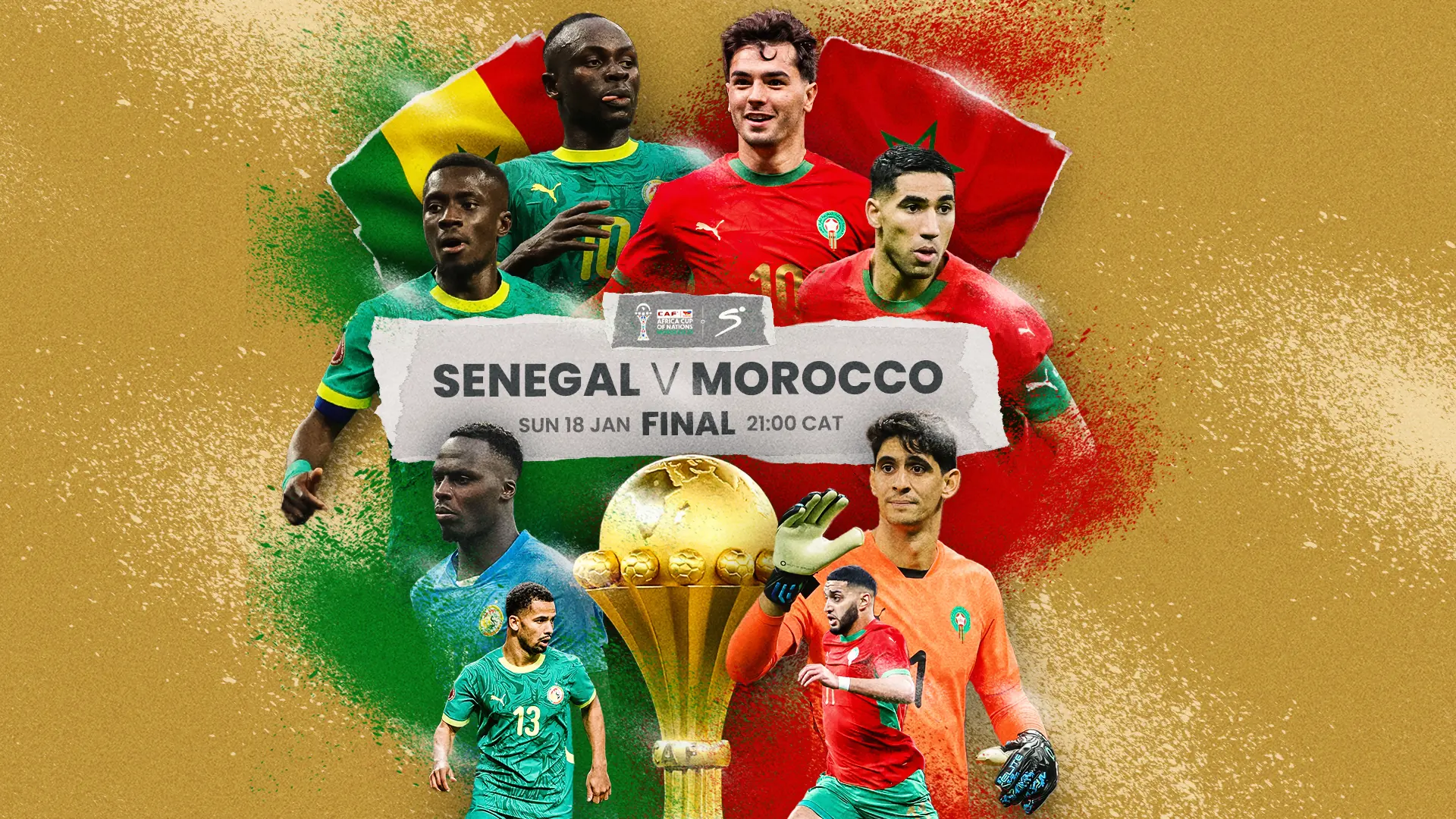
Home advantage in sports is normal – the roar of your fans, familiar turf, maybe a few friendly whistles from the ref. But Morocco appeared to stretch that advantage to its breaking point in AFCON 2025. From the group stages to the knockout rounds, many of us watching noticed a pattern of questionable officiating that always seemed to benefit the hosts. And don’t get me wrong, they played good football so this isn’t just sour grapes from losing teams; even neutral observers and journalists murmured about how “officials appeared to favour Morocco” on the pitch.
Take Nigeria’s semifinal against Morocco. It was a hard-fought match that went to penalties, but the 120-minute journey was marred by calls that had Nigerian players and fans alike shaking their heads. At one point, Morocco’s Brahim Díaz went down easily in a clash with Calvin Bassey – replays showed Díaz actually tugged Bassey’s shirt and then simulated being hit, yet the defender got a yellow card for his troubles. Minutes later, Nigerian forward Akor Adams was whistled for a foul while his own jersey was nearly ripped off his back (to no booking, if my memory serves me well). To cap it off, a clear deflection off a Moroccan defender was somehow ruled a goal kick instead of a Nigerian corner. None of these single moments decided the game, but together they killed our rhythm and trust. As Super Eagles star Victor Osimhen put it, the officiating was “nothing to write home about... that bad”. His teammate Bright Osayi-Samuel was even more blunt, calling the referee’s performance “appalling”.
Now, every fan can be biased when their team loses. But it wasn’t just Nigerians feeling this way. Throughout the tournament, whispers grew louder that Morocco’s road to the final was being paved by friendly calls. The refereeing controversy extended beyond that single match – there were persistent complaints that officials seemed to favor Morocco, with the host nation benefiting from several contentious decisions in previous rounds. The allegations got so widespread that Morocco’s head coach Walid Regragui actually addressed them in a press conference, dismissing the claims of referee bias as “a shame” and urging everyone to “stick to the facts” (okay boomer!). He pointed out that refereeing controversies happen everywhere and even noted instances where Morocco themselves didn’t get calls in their quarter-final. Fair enough – no team gets 100% of the calls. But from a fan’s perspective, it was hard to ignore that in game after game, the tight decisions – a penalty here, a card there – seemed to go Morocco’s way. Our Nigerian team felt it, Cameroon reportedly felt it, and by the final, Senegal would feel it too.
The Final Whistle that Wasn’t
All this tension built up to a boiling point in the AFCON 2025 final between hosts Morocco and 2021 champions Senegal. The match itself was cagey, physical, and goalless through 90 minutes. Then came stoppage time, and with it, chaos. In the 98th minute – yes, eight minutes into added time – the referee blew for a penalty to Morocco. From the stands and on TV, it looked like a soft call at best. Senegal’s players were incensed. If you watch football a lot, you’re used to casual complaints or a bit of captain-to-referee pleading. But this was far from all; it was an open revolt, leading the Senegalese team to walk off the pitch in disgust, protesting what they saw as a robbery in progress.
And I was all for it.
Imagine the scene: an AFCON final in Rabat, tens of thousands of home fans in shock, as the Senegal squad heads down the tunnel because they genuinely believe the match is being swayed unfairly. I sat on my chair, heart pounding, utterly stunned. In all my years watching football, I've never seen a team stage a walk-off in a major final over a ref’s decision**. It was a dramatic, risky statement – essentially saying, “We refuse to play along with this farce.” For nearly twenty minutes, the stadium and millions of viewers waited in limbo. In that moment, Morocco’s big night turned into an embarrassment. What’s a home trophy worth if the other team won’t even stay on the field?
Eventually, Senegal returned (reportedly after some behind-the-scenes assurances were given, though one can only guess what was said in those backrooms). Morocco’s star man Brahim Díaz stepped up to take the penalty that could win his country the title. Perhaps the weight of the controversy was too much, or the football gods had other ideas. Díaz attempted an audacious Panenka – a cheeky chipped penalty – but it backfired terribly. His shot floated tamely into the arms of Senegal’s goalkeeper, Édouard Mendy, who didn’t budge. The stadium gasped. A Panenka in the AFCON final, at home in front of your fans, after the opponents literally walked off? Talk about drama. Instead of a triumphant roar, the moment was met with a mix of relief and weird discomfort. It’s as if everyone collectively realized that karma was in play.
With the penalty saga behind them, the game dragged into extra, extra time. By then, the momentum – emotional, spiritual, whatever you want to call it – had swung Senegal’s way. Just four minutes into extra time, Pape Gueye of Senegal latched onto a chance and hit an exquisite strike into the Moroccan net. It was the kind of goal that was beautiful in its own right – a thumping finish from a player seizing his moment – but in context it felt like poetic justice. Senegal 1, Morocco 0. The terraces fell silent except for a small pocket of Senegalese supporters jumping in delirium. The hosts had thrown everything at this tournament, but now they were behind with the clock ticking.
**NOTES: As much as people may call me an old soul, I certainly wasn’t there when the Kuwait national team walked off against France after a disputed goal at the 1982 World Cup.