What do you do when you’re a trained dental surgeon but your heart won’t stop screaming, “Design!”?
If you’re Oluwatitofunwa Adegbamigbe, you swap the scrubs for tees, the clinic for Figma, and start building a whole new career from scratch.
We caught up with Dr Tito, now a creative director, brand educator, and Founder of School of Creatives, to talk about his transition from dentistry to a creative career.
This conversation is for anyone who's ever wanted to dump their “serious” career path and just chase passion.
Spoiler: it’s not as easy as Instagram makes it look, but it’s worth it.
So, What came first? Was it dentistry or storytelling?
I’ve always been an artistic person, right from primary school. I used to paint, enter art competitions, and hang my work in school corridors.
Even in secondary school, although I ended up in the science class (because, well, I was naturally smart), I was still that guy people gave their notebooks to when it was time to draw.
But you know how it is. If you’re doing well in school, the default is science. I ended up liking biology, and that led me towards medicine. I got into the University of Ibadan for dentistry.
We were meant to resume in February 2016, but I had some free time before that. So in January, I decided to learn something new.
At the time, Adekunle Gold was trending with this whole photoshop stuff. He’d photoshop himself with Nicki Minaj and all.
Also, I had classmates making album covers and music posters with photoshop, and I thought, let me even learn this Photoshop thing.
That moment sparked something. From that single interest, things started moving in a domino effect. So yeah, technically, my creative journey started before dental school ever kicked off.
When did you realize you wanted to take creativity seriously as a career?
In my first year in UI, I mostly created stuff for church.
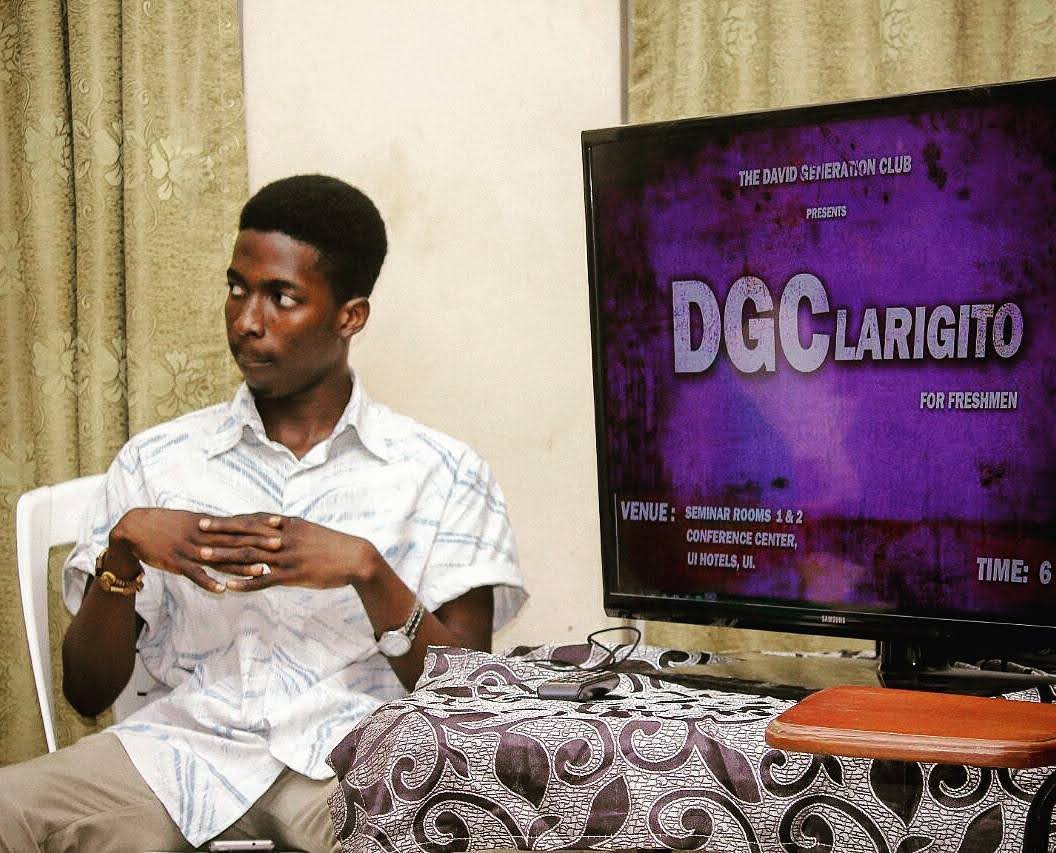
(One of my first designs in church)
By my second year, around February 2017 things got serious. I had spent a year on campus and gotten exposed to more creatives - people like Praise Olaoluwa, who became one of my mentors. Seeing what was possible in terms of design, branding, and storytelling opened my eyes.
I partnered with one of my friends, Kenechukwu Nweremizu, and together we ran something like a joint creative agency. His company, Genesis One, brought in jobs for a commission, and I handled them under my own brand at the time, Imperial Grafix.
Then I interned at Bytesize Digital in Lagos.
That experience made me realize I wanted to go big. Imperial Graphics didn’t feel like a name that could grow with me. So I rebranded.
That’s how OrenKraft was born. Oren from "orange" symbolizing creativity and versatility, and "kraft" for the art itself. One of our partners, Josh Solomon, actually suggested the name. I liked it, did my research, and it stuck.
So how did the School of Creatives come into the picture?
School of Creatives grew out of OrenKraft.
Around 2019, I launched it as a community to help young professionals grow into top-tier creatives.
I saw the gap - so many talented people without guidance or structure - and wanted to create a space to learn, grow, collaborate, and excel.
Wait, so all this while, you were still a full-on dental student? How on earth did you balance both worlds?
Honestly? It was madness.
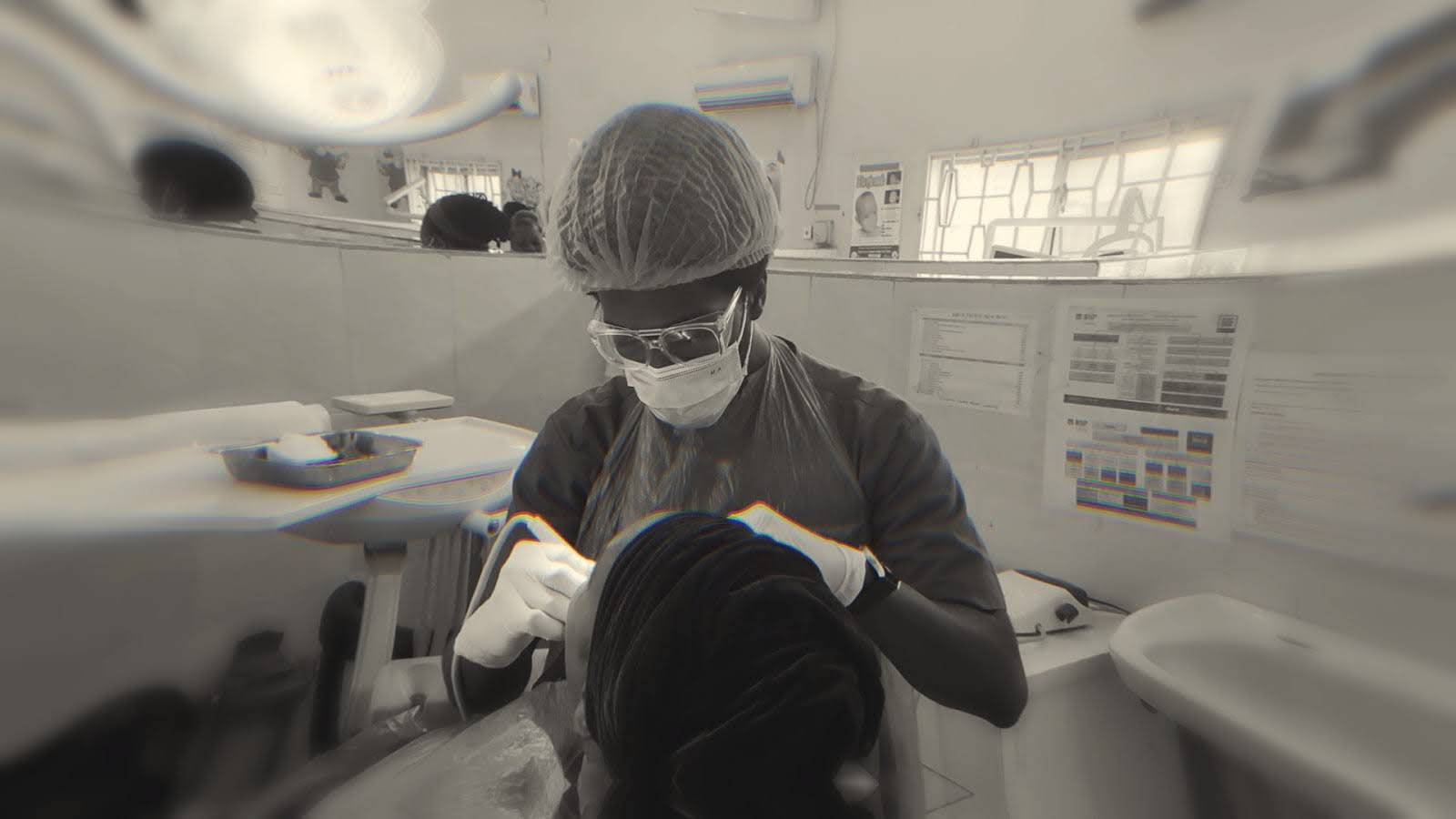
By 200 level, after I’d caught the creative bug properly, I actually tried to drop out of med school. But you know Nigerian parents now, that conversation ended quickly. I had no choice but to go back.
So I made a deal with myself: If I’m stuck in this, I won’t waste time waiting till it’s over to do what I love.
That meant extreme discipline.
I had to structure my life tightly. My social life practically didn’t exist. I only went out for conferences, church, events I had worked on, or a few friends’ weddings.
My friends knew to find me at my desk. I’d go to class early, return in the evening, switch immediately to work mode, sometimes go back on call, return again, and still work until 3 or 4 AM.
There were even weeks I didn’t sleep properly for days, it was just school, work, repeat.
It wasn’t healthy, but it was necessary. The only way I could balance both was to be ruthless with my time and fuelled by passion.
That’s insane. So what kept you going? Was it money?
Honestly, it was pure love for creativity.
Growing up, my brother and I would spend hours drawing cartoons and comics.
But when I got into the real world and saw how creativity could drive storytelling, branding, and marketing, how it could influence people and business decisions, I was hooked.
I had mentors who inspired me deeply.
One of them, Jaydee, once made me cry just by looking through his portfolio. Not out of sadness, but inspiration. I was like, How is someone this good? Can I really call myself a designer next to this?
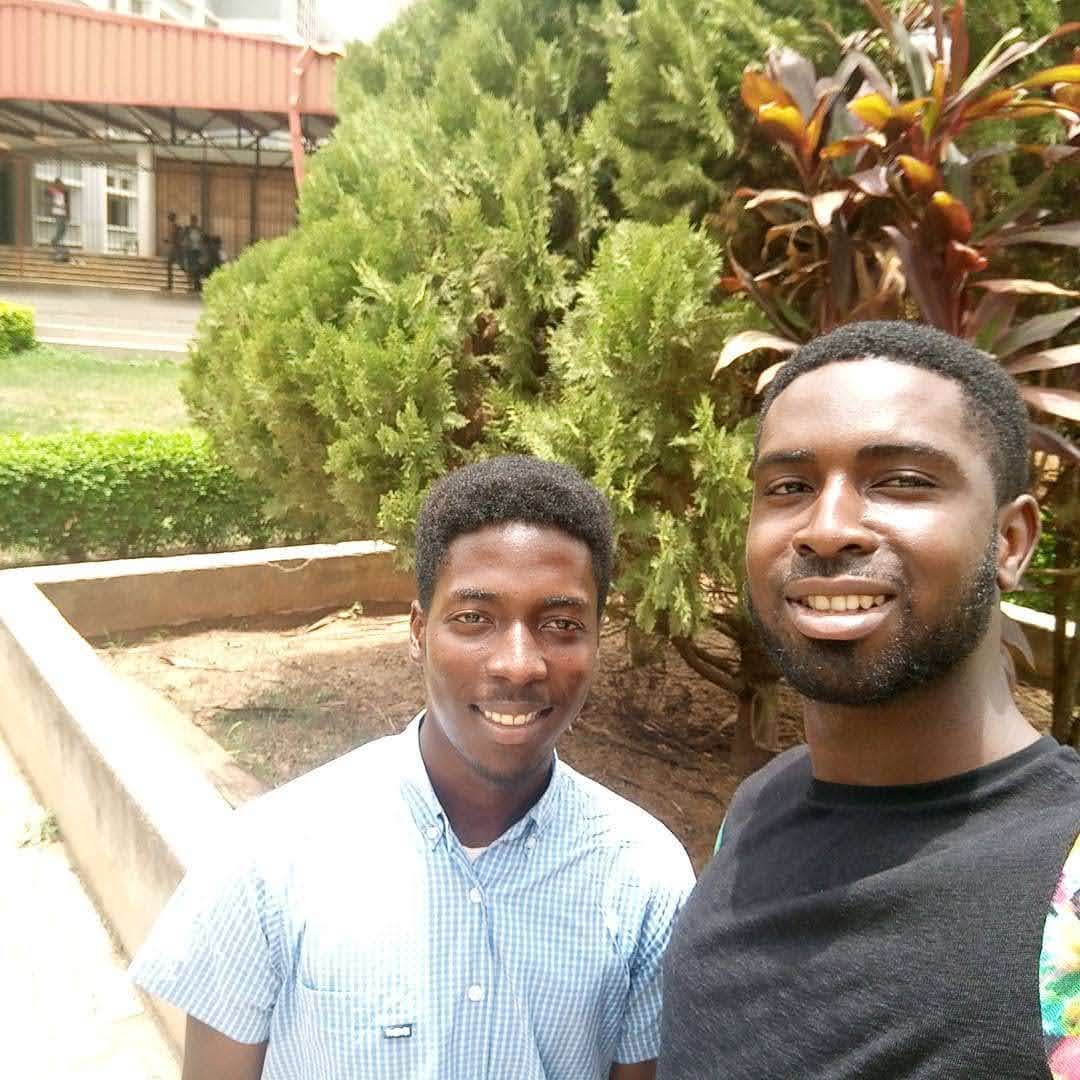
We didn’t even talk often, but his work constantly pushed me.
That push, alongside my own curiosity and hunger to learn, kept me going.
So yeah, it wasn’t money at first. It was love. It was curiosity. It was the thrill of creating something beautiful that could move people.
How did your family react when you first wanted to drop out of dental school? And how do they feel about your decision now?
They’ve always known about my artistic side and supported it in their own way. One of my first birthday presents was a toy keyboard.
They waited after church so I could learn drums, even got me a recorder, saxophone and trumpet.
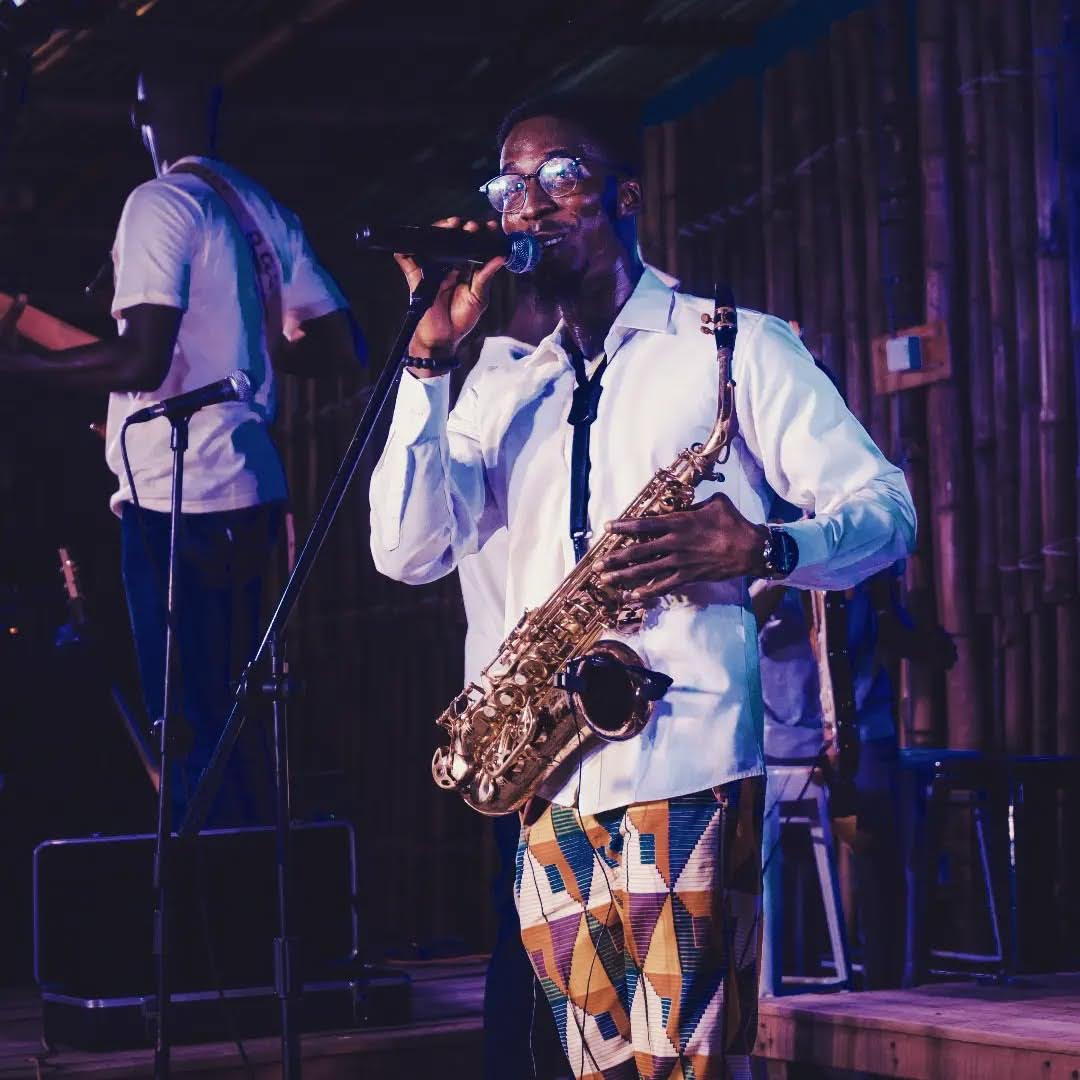
By the time I did an internship in 2017 during school break, it was obvious I had a growing interest in media and communications. But my dad was still very firm about finishing school.
So when I said I wanted to drop out, it was a tough time, probably one of the hardest periods of my life. Nigerian parents can be dramatic, and they felt that because I chose dentistry, I had to see it through.
I, on the other hand, was looking at it practically: this path would take a really long time to finish.
I wanted to switch to something less stressful and more aligned with my passion. But they didn’t agree. Eventually, I had to go back and finish.
Over time, they started seeing how much work I was putting into my craft, and the results too. Not just financially, but in the impact I was making.
By 400 to 500 level, they already knew I wasn’t going to practice dentistry, and they were fine with that. For them, it was more about finishing the degree.
Over time, seeing my work and results - financially and impact-wise - they fully accepted it.
So now, would you say dentistry is done for good? Or is it a “never say never” situation?
I always tell my friends, if you ever see me working in a clinic, video call me immediately and ask what’s going on!
I say that half-jokingly, but really, I don’t see myself going back.
There’s just so much to explore in the creative space. It would take a lot to pull me back into dentistry.
Then again, life can be funny, so I never say never. But for now, I’m fully committed to this path.
You're multi-talented: writing, directing, editing, motion design, sound design, music. How do you learn all of this? What's your learning process like?'
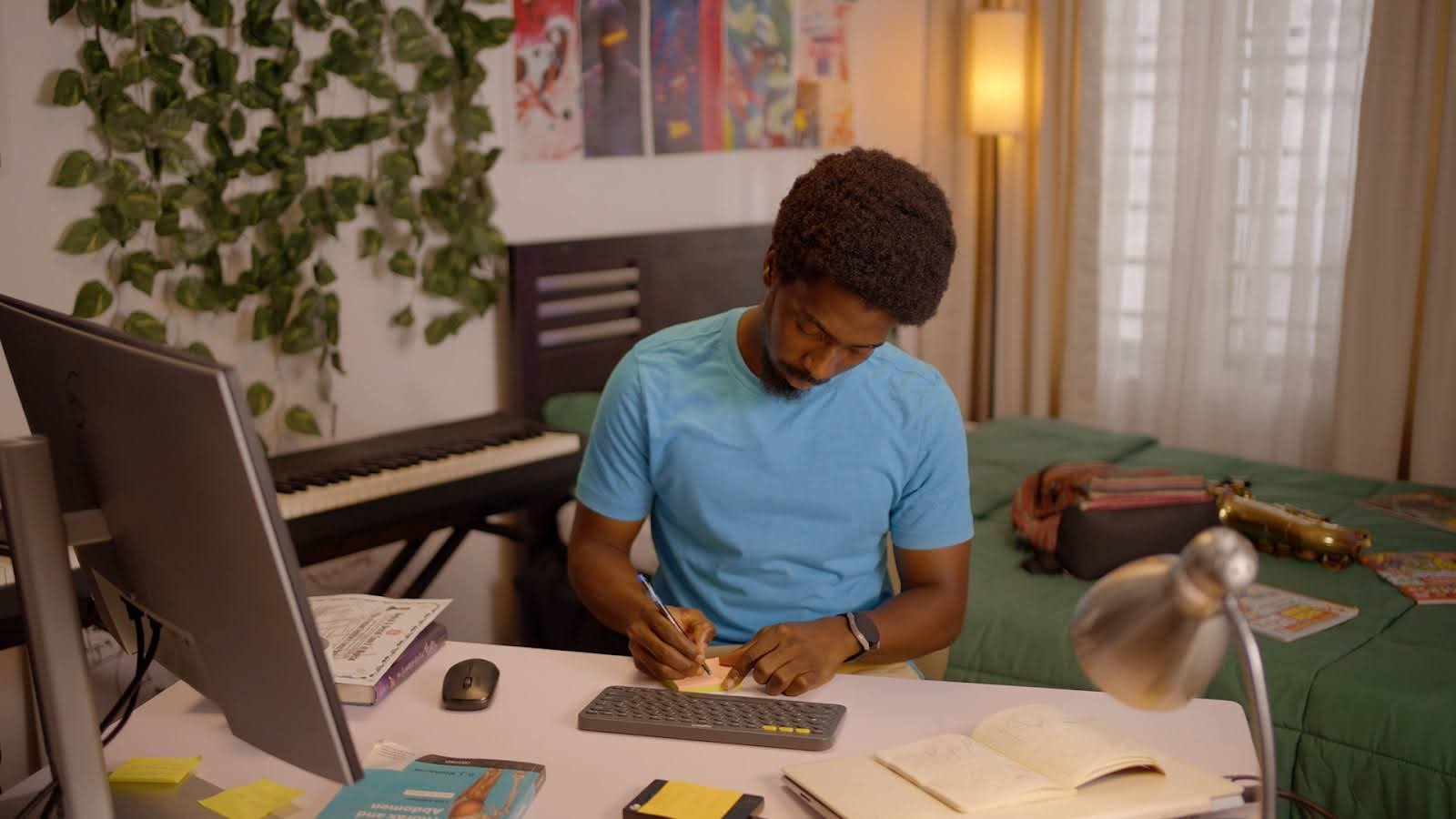
At the core of it is curiosity. That’s what drives me. I realized early on that learning was just as important as doing the work. Without learning, you plateau quickly.
I’ve freelanced most of my career, and that gave me the flexibility to take breaks where I could focus entirely on learning.
University strikes were actually a blessing in disguise.
Every time there was a strike, I used the time to learn. I’d make a list of skills I wanted to develop, set goals, and give myself practice projects.
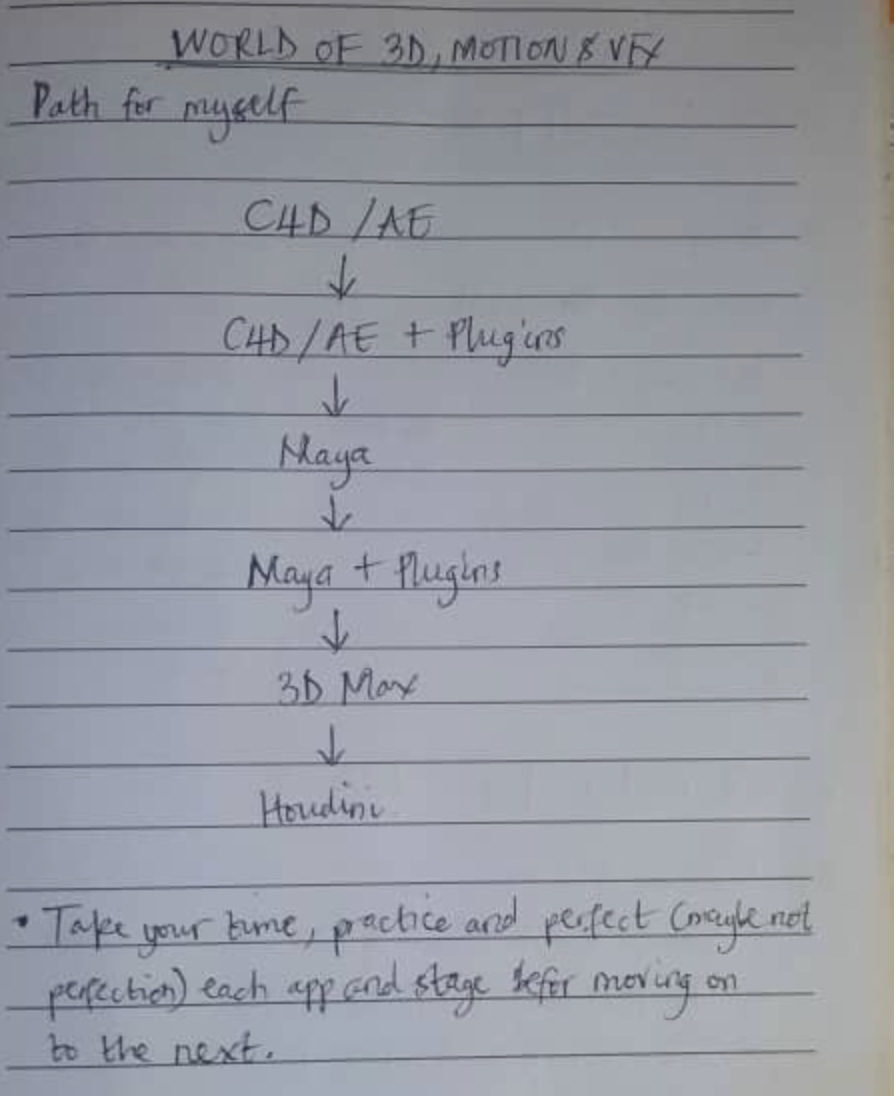
The pandemic was another turning point. I had a notebook with pages of things I wanted to achieve, books to read, tools to master, skills to build.
And I always watch tutorials. Every single project, no matter how much I know, I still look things up. Learning never stops.
I had mentors like Itoro Nehemiah who inspired me. He could do so much exceptionally well, and it showed me that having a wide skill set is possible.
Have you ever dealt with imposter syndrome as a creative? How do you manage it?
Absolutely. Every creative has had to deal with imposter syndrome at some point. You start wondering, “Am I really that guy? Can I actually pull this off?”
For me, I’ve always had a strong belief in my ability to learn and deliver. But even with that, there are moments, especially during creative blocks, when doubt creeps in.
What helps me is doing hard things. I intentionally take on personal projects that stretch me. When I look back at those moments and the things I’ve created, it reminds me, “Yeah, I did that. I’m still that guy.”
So when the doubt comes, I have a backlog of ‘badass’ things I’ve done to remind myself of my capacity.
Constantly leveling up the difficulty also helps because I’m not staying comfortable or stagnant.
“It’s easier to fight imposter syndrome when you have real proof of your growth and grit.”
Let’s talk about money. Just for fun, if we compare dentistry and storytelling side-by-side, which one pays more?
On face value, especially in Nigeria, storytelling and the creative arts definitely offer a wider earning potential.
With public service roles like dentistry, you often have to spend years working your way up to a certain income level.
For instance, to become a consultant dentist in Nigeria, you’ll need around nine years of training, plus NYSC. And even then, the salary is often what it’s been for years, with only marginal increases.
Now, if you put in 10 years of consistent work in the creative industry, being intentional, learning, evolving, I strongly believe you could be earning significantly more than a federal institution consultant.
Of course, this is different abroad. Dentists in countries like the US, UK, and Canada earn way more than creatives. But in Nigeria? The creative path has more earning potential if you’re strategic.
If someone wants to niche down in the creative space for better pay, what’s your advice? What field pays the most?
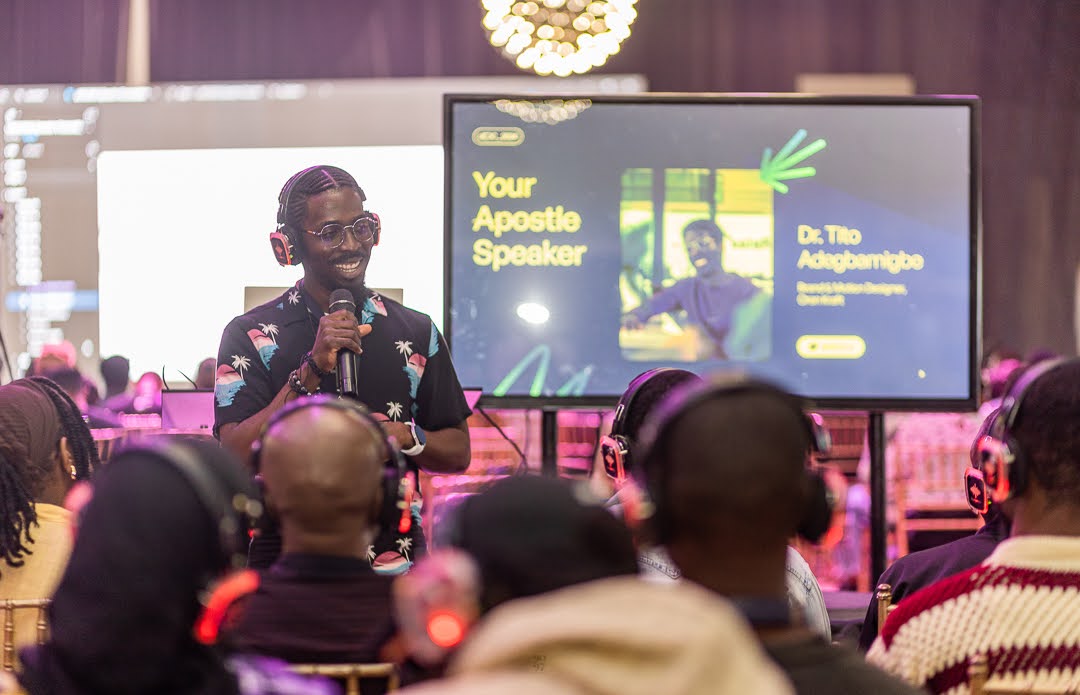
Honestly, it depends on your level of seniority. Almost every creative discipline has the potential to be highly lucrative.
What matters is how deep you go. If you go all in, learn the business side, and rise through the ranks into managerial or director-level roles, the money will come.
That said, tech is a hot space right now. If you’re looking at high-paying creative roles within tech, product design and engineering stand out, especially at the entry-to-mid level.
But again, the secret sauce is figuring out how to solve real business problems. That’s when you can start negotiating higher pay, no matter the role.
Be honest, what’s the most you’ve made from creative work in one go?
Lollll. Do I really want to tell you that?
Let’s just say I’ve made at least a million naira from a single creative gig.
You’re now transitioning to full-time storytelling. What kind of stories are you drawn to telling these days?
Right now, I’m looking for a challenge that allows me to build with a brand long-term. Agency work is great, but projects come and go. I want to be part of something where I can see the full arc, from ideation to results.
I’m drawn to brands doing real, impactful work - those improving lives in meaningful ways. It’s easier to stay inspired when your work has purpose.
I’ve always had a soft spot for the entertainment industry, but ultimately, I’m looking for brands with a compelling (and real) story. Even if it’s not “sexy,” I believe it’s my job to make it captivating.
You mentioned the School of Creatives earlier. If someone wants to join your community, what’s the process? Is it paid? Open to everyone?
Yeah, the School of Creatives is a community run by the OrenKraft agency team. It’s very accessible.
We’ve got a YouTube channel filled with tutorials and interviews with top creative professionals. Our Instagram and Twitter also share bite-sized content, tips, tutorials, career help.
There’s also a WhatsApp community where we post updates, job opportunities, and resources. Anyone can join, just search for School of Creatives on YouTube, Instagram, or Twitter. The Instagram bio has a link to join the WhatsApp community, and if not, just DM us.
We also have paid courses.
For instance, I released a motion design course for absolute beginners last year. It’s still available on Selar for ₦50,000.
And there’s also Creatives Connect, right?
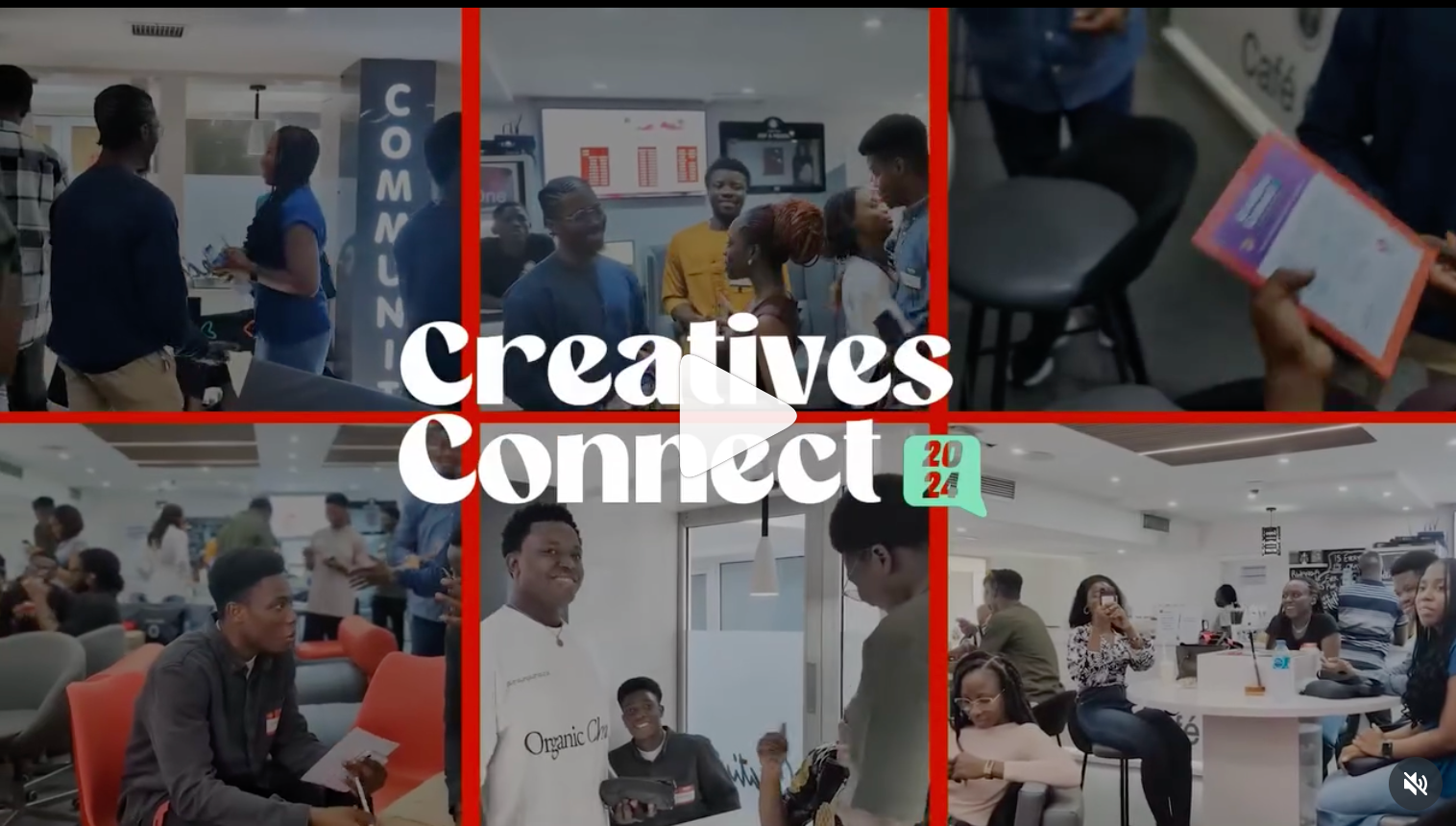
Yes! We’ve had four editions of Creatives Connect so far in Lagos, Ibadan, and back to Lagos. It’s a creative hangout with networking, games, food, and panel discussions with top creatives.
The next edition is coming up in Lagos in October 18, 2025. We are currently planning it, and trust me, we’re leveling up again this year. It’s always a vibe.
What’s your most unfiltered advice for someone moonlighting as a creative - like someone stuck in a 9–5 but dreaming of a creative life? Maybe a younger version of you in 200 level, or someone secretly building something on the side?
I’m glad you said “unfiltered,” because my take is definitely not the regular kind.
Let me break it down into two parts. One for a 200-level student, and another for someone currently in a 9–5.
For the 200-level student version of me:
You’ve got nothing to lose. That’s your biggest advantage. So this is the best time to figure out what you want and go after it, passionately, but with a plan.
You need a personal development plan: How do you want to grow? What skills do you want to learn? It’s great if you can find a mentor, but please don’t go around just asking people “Can you be my mentor?” That’s not how mentorship usually works.
What I did was ask people thoughtful questions. I listened to their advice, I applied it, and I gave them feedback. That’s how you earn a mentor, not by title, but by action.
If you can’t get anyone directly, that’s fine. Google and YouTube are your best friends. Just start asking questions, start learning, and start putting yourself out there. Document your process. Build in public.
Also, if you’re studying something you absolutely hate and your parents are okay with it, maybe consider dropping it. But if not? Just get through it while still giving your dream 100%.
For the person stuck in a 9–5:
This might sound extreme, but hear me out. If you’re unmarried, with no kids or major financial responsibilities, this is your window to take bold risks.
If it were me, and I was truly miserable in that 9–5, I’d come up with a radical plan. It might mean sleeping just 3–4 hours a night, working your day job, and using the rest of your time to go all-in on your dream.
It won’t be easy. You’ll probably be tired, frustrated, even miserable for a while. But if you can be disciplined, you’ll build momentum. Lock in. Practice daily. Learn daily. Create daily.
If you can’t handle both the job and the dream at once? Honestly, resign. Take 3–6 months, stay indoors, go full beast mode on your craft. Put in 12 hours a day if you have to. After six months, you won’t be the same. You’ll have something real to show for it.
Of course, if you’re married or have a family, the stakes are different. You can’t just quit. For you, this will require serious discipline and sacrifice. But it’s still possible, you just need a tighter structure and more long-term planning.
A quick one, can people call you Tito casually? Or should we stick with Dr. Tito?
Loooool My friends can call me Tito, of course. But in any official or corporate setting? Please respect the title! That “Dr.” took me nine years to earn. I don’t joke with it.
All my social handles say “Dr.” for a reason. If I ever hear someone call me “Mr.” in a professional setting? You won’t hear the end of it.
Haha, I feel you.
Before we wrap up, anything you’d like to plug or share?
Yes, actually! We just launched a UI/UX design course under the School of Creatives. So if you’re looking to get into design, definitely get the course.

Also, if anyone’s interested in what we’re building, career content, design courses, creative support, you can follow School of Creatives on social media. We’ve got free tutorials, interviews with top creatives, and community resources.
Last words for anyone chasing something big?
Be unapologetically you. Whatever you're doing, go all in. Put your heart into it. Be consistent. And always aim to do your absolute best.