TL;DR
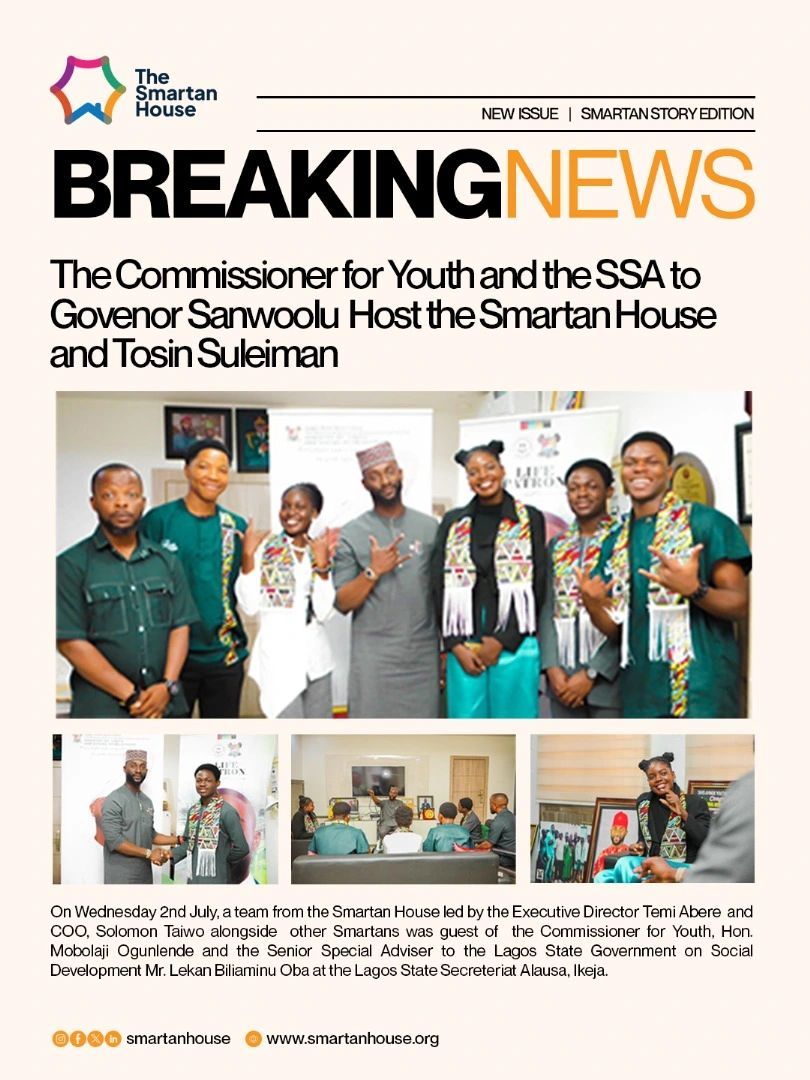
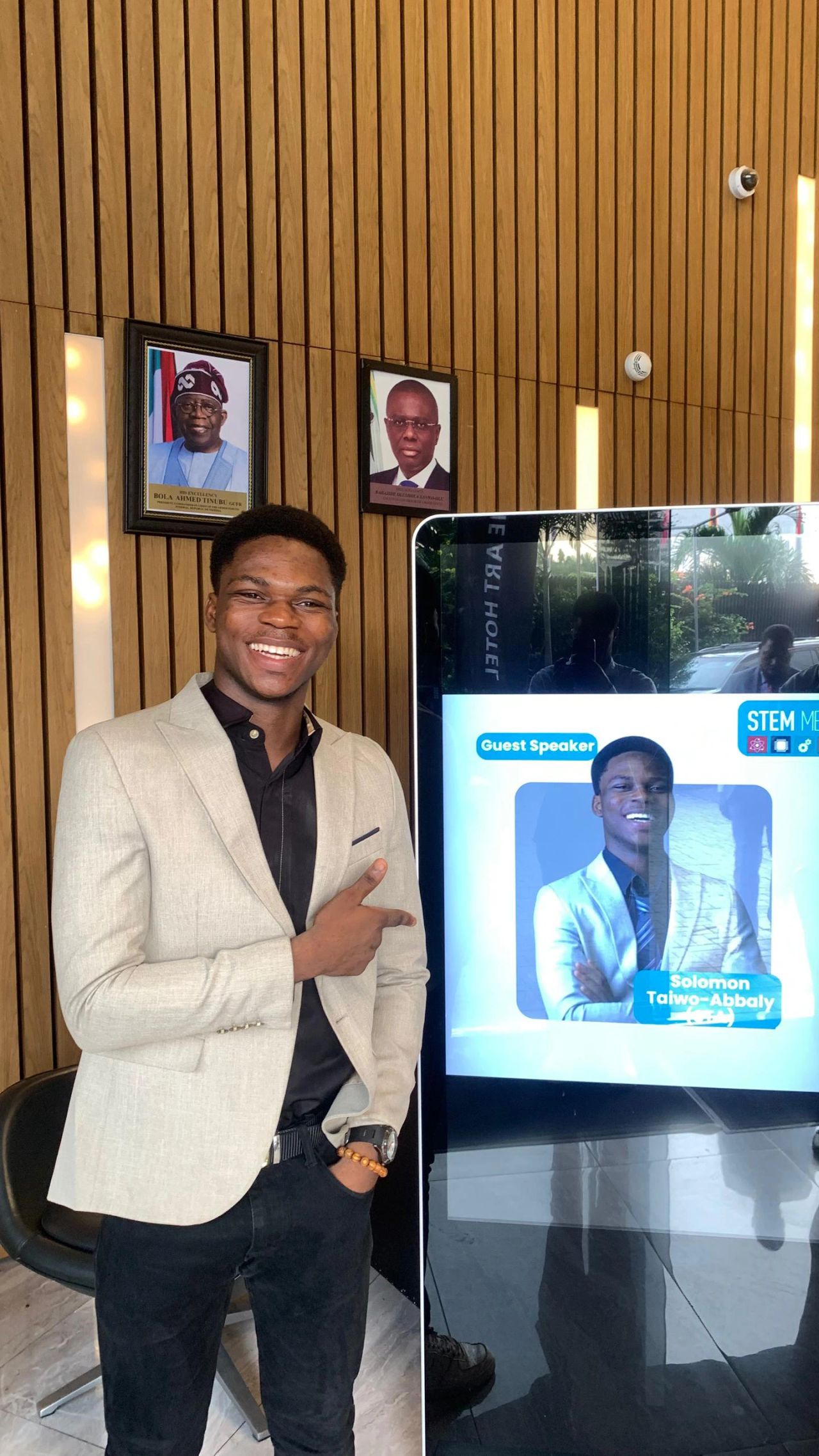
At just 19, Solomon is the COO of a youth-led tech ecosystem in Lagos, Nigeria, Smartan House.
From growing up in slums and washing cars to be able to afford a secondhand laptop, to building AI-powered cybersecurity tools and mentoring other young innovators, Solomon's story is a masterclass in grit, purpose, and staying rooted in a chaotic world.
1. Growing Up in Ikorodu
Solomon, tell us about your journey. You’re 19 and already a COO. How did it all start?

When I was five, my parents separated. My dad disappeared, and I had to move from house to house. Eventually, we settled down with my mom, my sister, and my grandparents, just so I could go to school.
While I was in secondary school, things were tough. My mom didn’t have much; she lost her job at one point. My grandparents were already old; they couldn’t work anymore.
Despite all that, I had this strong passion for programming. I think it started when I heard about the Anonymous hacker group. How they’d hack into corporations, install ransomware, and all that. The idea just blew my mind, not because of the notoriety they indulged, but because the only thing separating me from controlling a computer was lines of code. That idea made me feel so alive.
Even though I had other passions, nothing felt quite like this.
So, opportunities started coming in. We learned how to build robots in school. There was a co-creation lab that my teacher, Mr. Soji Megbowon, created. He gave me access to be part of a scholarship programme. We’d gather regularly and learn HTML, CSS, and JavaScript, just building websites for fun.
I even created a website for my public school with some friends, just experimenting.
We were still struggling financially at home. But my passion was strong. My grandma gave me this small Itel A31 phone, 1GB RAM, 8GB ROM. That’s what I used to write code. I ran Python 3 on it, even rooted the device so I could gain full system access. I was doing stuff like Wi-Fi sniffing, hacking around with networks, basically things a kid learning programming would do just for the thrill.
In 2020, my class teacher, Mr. Soji Megbowon, recommended I join this WhatsApp school, Smartan Online School. There were over 4,000 smart young people in that group, all across Lagos. SS2, SS3 students like me.
But the group was always buzzing, messages popping in every second. My grandma wasn’t happy about it. It was a tiny phone, and the constant messages made it lag. She eventually removed me from the group. So for over a year, I lost access to that community.
That’s interesting. So, at what point did you have to start washing cars to survive?
In 2021, things got really bad at home, and I knew I had to do something. So I started working at a car wash. I needed money to help the house, for my education and NECO exam, for my sisters’ education, and for myself. But my main goal was to save up for a laptop, so I could explore my passion as I wanted.
I’d get to the car wash by 7 a.m., work till 9 p.m. Some days, I’d work 12-hour shifts, get food, save, and hustle some more. Sometimes I’d take extra jobs, working at a local Indian wine factory from 6 p.m. to 6 a.m. for ₦1,200. It was a lot for a 16-year-old.
And in between all that, I was still in school and writing code. Whenever there was a break at the car wash, I’d pull out my phone and write Python.
2. The Smartan House: Champions, Crucibles & Finding a Father
How did you find your way back to the Smartan House after you lost access?
One time, I read a Washington Post article on the mathematical formula for how COVID spread in a city. So I built a simulation using Python to show how the virus might spread in Lagos. It was fun for me.
A friend of mine from the Smartan community posted it on their WhatsApp status. My old class teacher reposted it. And then...
Mr. Johnson Abaam, the founder of Smartan House, saw it.
He messaged me, and that was the beginning of something magical.
At the time, I was still washing cars. But I found something in him, a father-son connection I’d never experienced before. He showed me love. He nurtured me. He became the father I never had.
One day, while at the car wash, my phone rang. I picked it up, and it was Mr. Johnson. He called me himself.
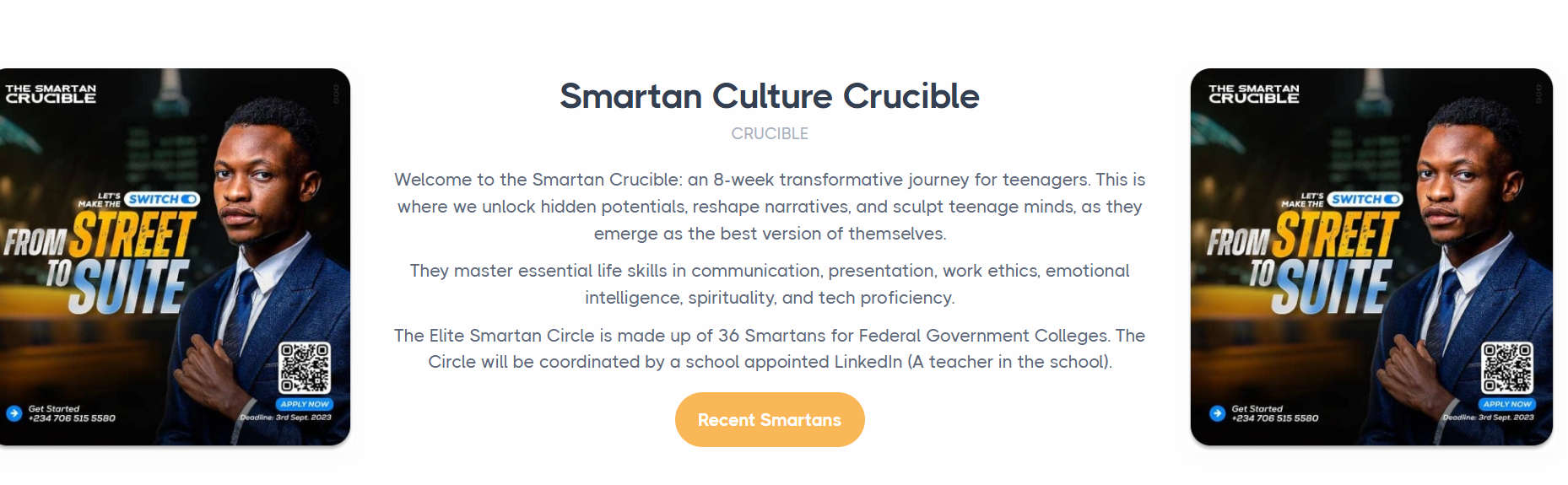
He said, “I’d like you to join the 6 Weeks Smartan Culture Crucible”, and I was so excited.
But I didn’t have the money to travel. So I found a construction site where they were still building houses. I offered to help mix cement and carry sand. I worked two or three days straight, earning ₦30,000 per day. I spent part of it on food, then saved the rest and made my way to Ikorodu.
I believed that Smartan House was going to change my life, and it did.
I met other young people just like me. Similar stories, similar struggles. People raised by single mothers. People who had underprivileged backgrounds. People who had lost their dads. Smart people who just needed a chance.
Like Mr. Johnson (my dad) always says: “Talent is universal, but opportunity is not.”
Considering the kind of exposure you had growing up, how did you figure out that coding was your thing? And how were you able to stay motivated from as little as age 15?
For me, it all started with early exposure to champions; people who saw the light in me and helped point it in the right direction.
It goes way back to junior secondary school. I think Akinwunmi Ambode was the governor then, and they launched this Code Lagos initiative. They invited high school students who were good at Scratch to come together and learn. So in junior school, we started with Scratch. The idea was to transition to Python in senior school.
My mom had access to this small Acer Aspire One laptop, which was the very first computer I ever used. Someone said, “You already have a small system. Come learn Scratch.” So I joined, and I did not even know how to use a system at the time, lol.
After just a few days, it was obvious, both to me and everyone around me, that I had a natural pull towards it. I could meander my way around code with ease and outperformed everyone around me. It just made sense. I was fascinated by how it worked.
Eventually, I got to senior school, but Code Lagos had ended. Ambode was no longer in office. But the progression was still in my mind; I had already learned Scratch, and it was time for Python. I’d even built amazing little games with Scratch.
So, I started learning Python on my own. That’s when my teacher noticed me again and began teaching me even more. HTML, CSS, JavaScript... he brought me into his community innovation hub and gave me a scholarship.
The whole idea is that it took someone, a champion, to say, “I see what you carry. Let’s help that light shine.”
Hmm, so that means that teenagers and career newbies trying to build their dreams should really learn to jump at opportunities when they see them.
Exactly! That’s the key. Because many people had access to these same opportunities, but didn’t take them seriously.
For me, it was love. I loved tech. I was extremely curious. So when I saw something, I just went for it.
Plus, being in the Smartan House meant that I started thinking differently. I was doing deep research, looking into open-source intelligence, big data, connecting dots, analyzing patterns with Python, drawing insights. That mindset came from all the intense, hands-on learning we did.
We focused on real-world simulations, critical thinking, emotional intelligence, and social intelligence. I remember going from the crucible to a dinner event with millionaires and billionaires. Like, imagine me, a 17-year-old, sitting in a room full of impact-makers from Rwanda, South Africa, the U.S., people building stuff across Africa.
That kind of exposure shifts a person.
That’s what Smartan House gave me. That’s what Mr. Johnson gave me.
So we ALSO need champions to rise, people who’ll show young people what’s possible, and give them access to platforms and mentorship. That’s what the Smartan House ecosystem did for me.
Within two weeks, I became a different person. I was mentored by people like Oluwatosin Sulaimon, the COO of Smartan House, before me. That guy was a genius. I think he had about 324 in JAMB, had like 8 A1s in WAEC. He later got into the African Leadership Academy in South Africa, and just graduated, winning almost all the awards.
Now imagine... I had to fill his shoes.
3. From Car-Washer to COO
Now you’re the COO. How are you handling that pressure?
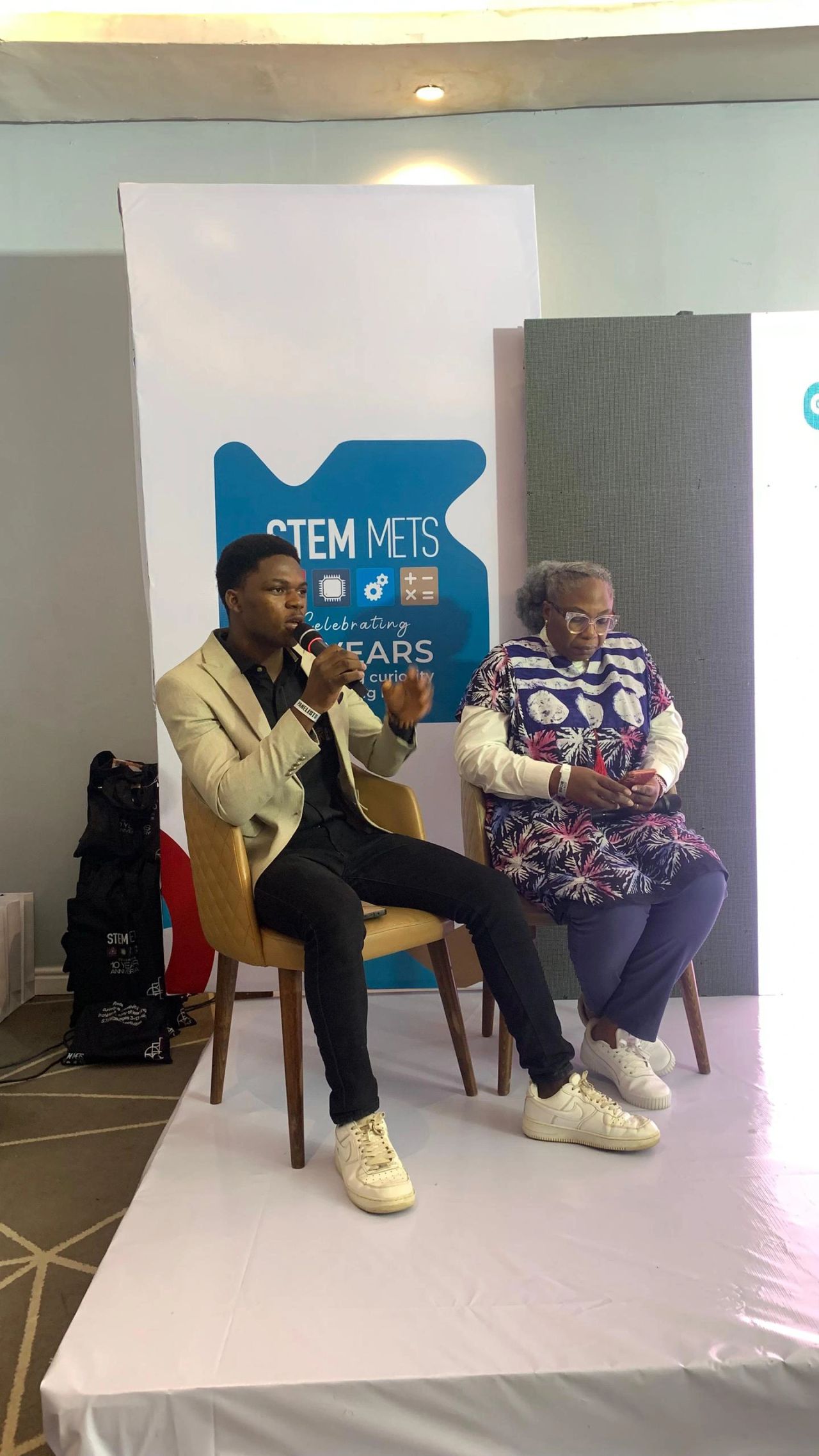
Honestly, I consider it the greatest honour. Because the people I’m leading today, the young people living with me in the Smartan House, are the future of Nigeria. They’re going to lead industries, build world-changing technologies, and represent this nation on global platforms.