Few Nigerian tech stories carry as much drama, tragedy, and resilience as that of Gokada. What began as a bike-hailing startup in Lagos in 2017 has survived a government ban on commercial motorcycles, the brutal murder of its founder, a global pandemic, a pivot to logistics and food delivery, the launch of a super app, and — most recently — a Chapter 11 bankruptcy filing. Through it all, Gokada has remained a recognisable name in Nigeria's tech ecosystem, a company whose journey mirrors the wild, unpredictable, and often heartbreaking reality of building a startup in Africa's largest economy.
With an estimated 1 million+ users and a platform that has processed over $100 million in annual transaction value at its peak, Gokada's story is worth telling — not just for what it reveals about one company, but for what it reveals about the opportunities, risks, and gut-wrenching challenges of Nigerian tech entrepreneurship.
The Origin Story: Okada Goes Digital
Gokada was co-founded in 2017 by Fahim Saleh and Deji Oduntan. Saleh, a Bangladeshi-American serial entrepreneur, had previously founded Pathao, a successful ride-hailing company in Bangladesh. He saw a similar opportunity in Lagos — a sprawling megacity of 20+ million people where millions relied on informal motorcycle taxis (known locally as "okada") to navigate the city's legendary traffic. The idea was simple but powerful: take the okada experience, formalise it with an app, add safety standards and accountability, and create a reliable, affordable transportation option for Lagosians.
The name "Gokada" was a play on "Go" and "Okada" — literally, "go by motorcycle." The company launched with a fleet of branded motorcycles, trained and uniformed riders, helmets for both riders and passengers, and an app that allowed users to book rides, track their journeys, and pay digitally. For Lagos commuters frustrated by the chaos and safety risks of informal okada rides, Gokada was a revelation.
The timing seemed perfect. Lagos's traffic problem was getting worse, not better. Public transportation was inadequate. Car-based ride-hailing services like Uber and Bolt were slow in traffic. Motorcycles could weave through gridlock, getting passengers to their destinations in a fraction of the time. Gokada raised $5.3 million in Series A funding from investors including Rise Capital and was completing thousands of rides daily. By 2019, the company had over 1,000 trained riders and was one of the most prominent bike-hailing startups in West Africa.
The Ban: Everything Changes Overnight
On February 1, 2020, the Lagos State Government dropped a bombshell: it banned commercial motorcycles (okada) and tricycles (keke) from major roads and bridges across the state. The ban, which the government justified on safety grounds — motorcycle accidents were responsible for a significant percentage of Lagos's road fatalities — was devastating for Gokada and its competitors (MAX, ORide). Overnight, the core business model that Gokada had been built around became illegal in its primary market.
The ban remains one of the most controversial policy decisions in recent Nigerian tech history. Critics argued that it punished formalised, safety-conscious operators like Gokada alongside informal okada riders, and that it removed a vital transportation option for millions of Lagosians without providing alternatives. Supporters argued that motorcycle accidents were a public health crisis and that the ban was necessary regardless of the economic impact.
For Gokada, the ban forced an existential decision: shut down or pivot. The company chose to pivot.
The Pivot: From Rides to Deliveries
Gokada's pivot to logistics and delivery was born of necessity but proved strategically sound. The company already possessed the key assets needed for a delivery business: a fleet of motorcycles, a network of trained riders familiar with Lagos's roads, and an app with an existing user base. The COVID-19 pandemic, which hit Nigeria weeks after the okada ban, accelerated demand for delivery services as lockdowns pushed more Nigerians toward e-commerce and food delivery.
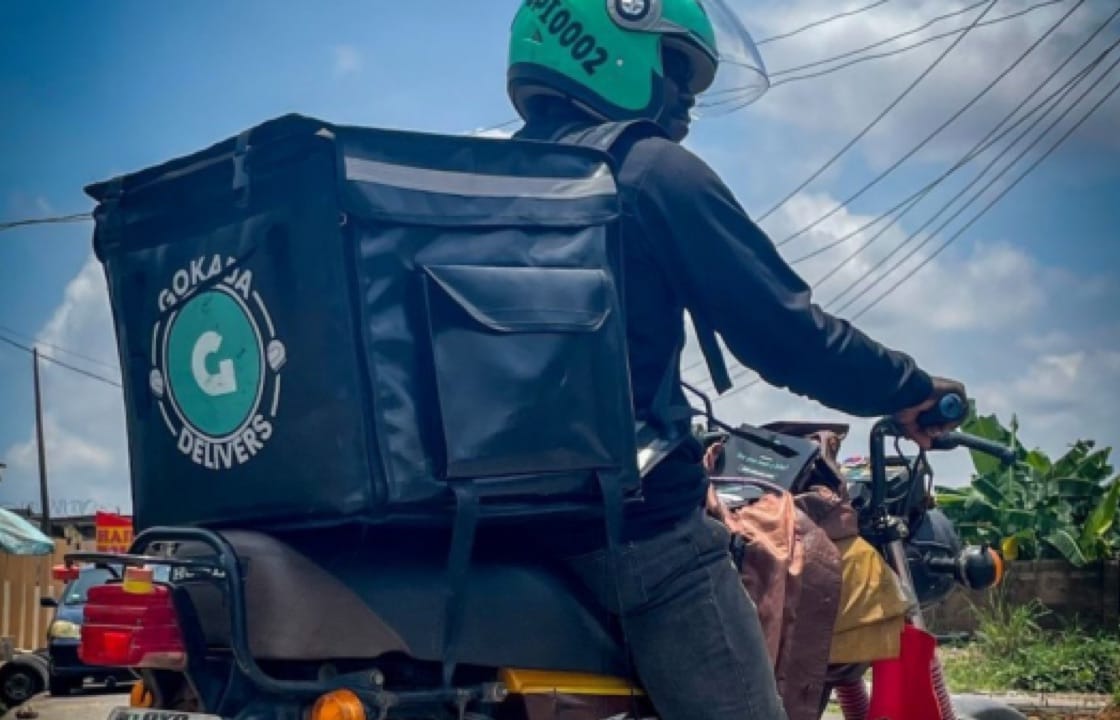
Gokada launched GSend (a logistics and parcel delivery service) and GFood (a food delivery service), allowing its riders to deliver packages and meals instead of passengers. The pivot worked. Within 12 months, Gokada had completed over 1 million food delivery and e-commerce orders for over 30,000 merchants in Lagos. The company was processing significant transaction volumes and had established itself as a major player in Lagos's last-mile delivery market.
Tragedy Strikes: The Murder of Fahim Saleh
On July 14, 2020, in the midst of Gokada's promising pivot, the company's world was shattered. Fahim Saleh, Gokada's CEO and co-founder, was found murdered in his New York City apartment. The 33-year-old entrepreneur had been stabbed multiple times in what was later revealed to be a premeditated killing by his personal assistant, who was convicted of the crime.
Saleh's murder sent shockwaves through the Nigerian and global tech communities. He was widely respected as a visionary entrepreneur who had built successful companies across three continents — Bangladesh, Nigeria, and Colombia. His death was not just a personal tragedy but a significant blow to Gokada, which lost its most influential leader and most connected fundraiser at a critical moment in its evolution.
The company soldiered on. In March 2021, Gokada appointed Nikhil Goel as its new CEO. Goel brought experience from Zomato (India's leading food delivery platform) and SafeBoda (a Kenyan mobility startup), making him well-suited to lead Gokada's delivery-focused strategy.
The Super App: Gokada's Ambitious Reinvention
Under Goel's leadership, Gokada launched its Super App in June 2021, consolidating all of its services — logistics, food delivery, e-commerce, and ride-hailing — into a single platform. The super app allowed users to send packages (GSend), order food (GFood), shop from local businesses, and even book motorcycle rides in states where bike-hailing was still legal (the company expanded ride-hailing to Oyo and Ogun states).