The interview question was absurdly simple: Why do you want to do this?
No case study. No presentation deck. No behavioral assessment asking you to describe a time you demonstrated leadership under pressure. Just one WhatsApp video call and a growth marketer on the other end, trying to figure out if you had the kind of energy to lead a movement.

Saanufunmi' Shanz’ Ajayi and his team at Carry1st were building a campus ambassador program across African universities, and they had made a deliberate choice: skip the elaborate hiring theater and base it all on one call. Either you showed up with a genuine passion for gaming and the spark to build a community from scratch—
Or you didn't make it through.
Three years later, that wild experiment has become a continent-spanning network of 18,000+ students across 50 university communities. At first glance, it looks like a bold growth hack or a grassroots marketing victory. But digging deeper reveals the real story: Carry1st built this not to sell games, but to find and nurture the people who would sell the company’s future vision. From campus gamer to company gamemaker. From community member to employee.
That’s the twist nobody expected – and it’s exactly what makes Carry1st’s story worth telling.
Editor's Note: This is the first installment in a two-part Inside With CareerBuddy series exploring how African tech companies are building communities. Our next feature will profile another leader pioneering innovative approaches to growth and community engagement. Stay tuned.
Why Universities?
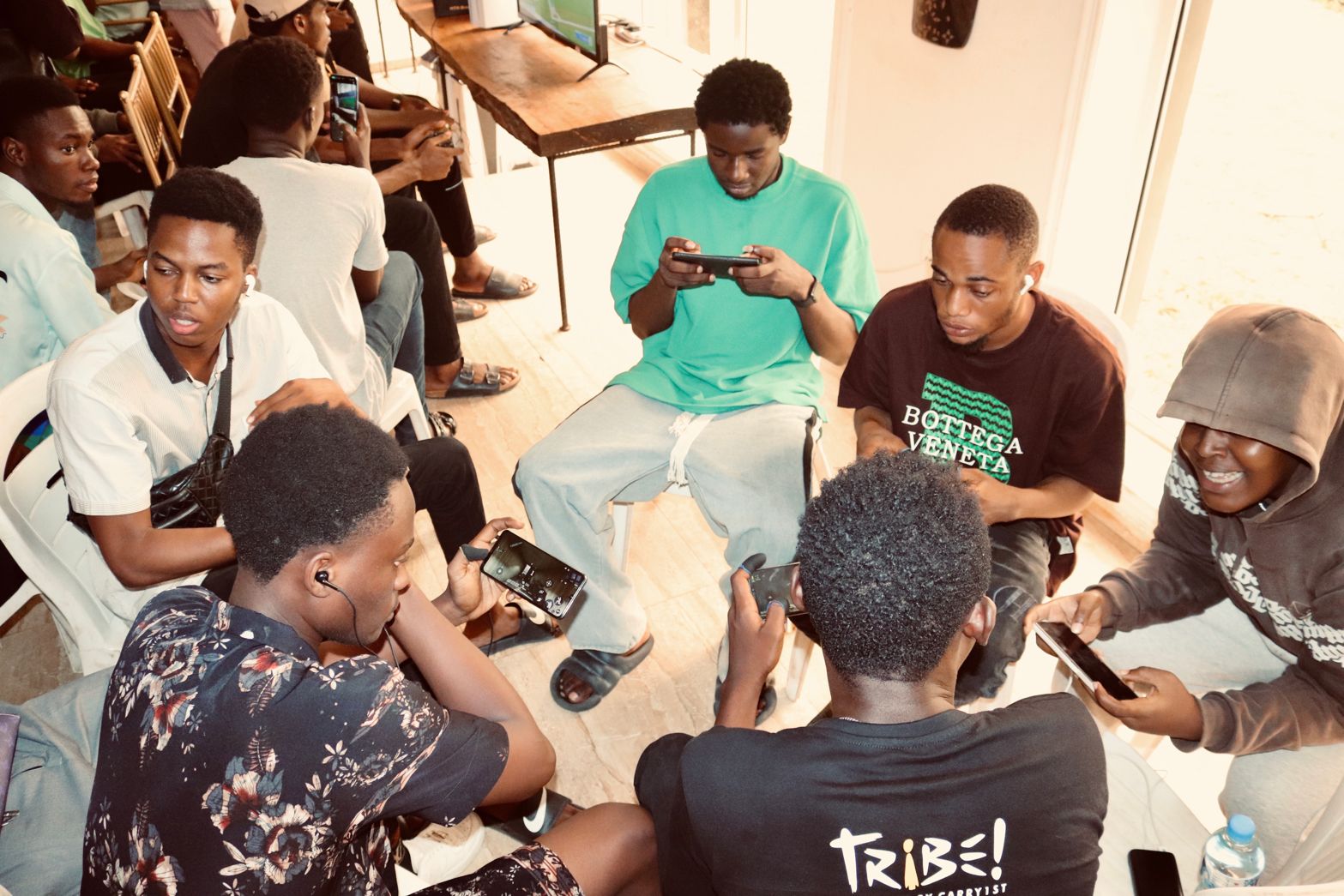
When Saanufunmi Ajayi joined Carry1st's growth team, the directive was clear enough: build a gaming culture across African universities. The why came from demographics that made the decision almost obvious.
"Africa is the youngest continent in the world," Shanz explains. "We realized we needed to target universities because that's where you find the people who would build the continent. These are the people who would end up getting into different spaces and actually shaping what Africa becomes."
But here's where it gets interesting. Most companies facing that same demographic reality would have spun up a traditional brand ambassador program: post on your Instagram, get some merch, drive downloads, next. Carry1st took a different bet. They built the program with two objectives that had nothing to do with immediate conversion metrics.
First: develop gaming culture. Create spaces where gaming felt less like a borrowed Western hobby and more like something that belonged in African universities. Second: build a talent pipeline. Give students real experience, professional skills, leadership opportunities. Then hire from that pool.
"We actually ended up employing quite a few of them," Shanz notes. "The person that currently leads the program—at least Tribe in general—used to be a former campus leader."
Awareness? That would come. But it would come as a side effect of building something students actually wanted to be part of.
The Difference Between Awareness and Belonging
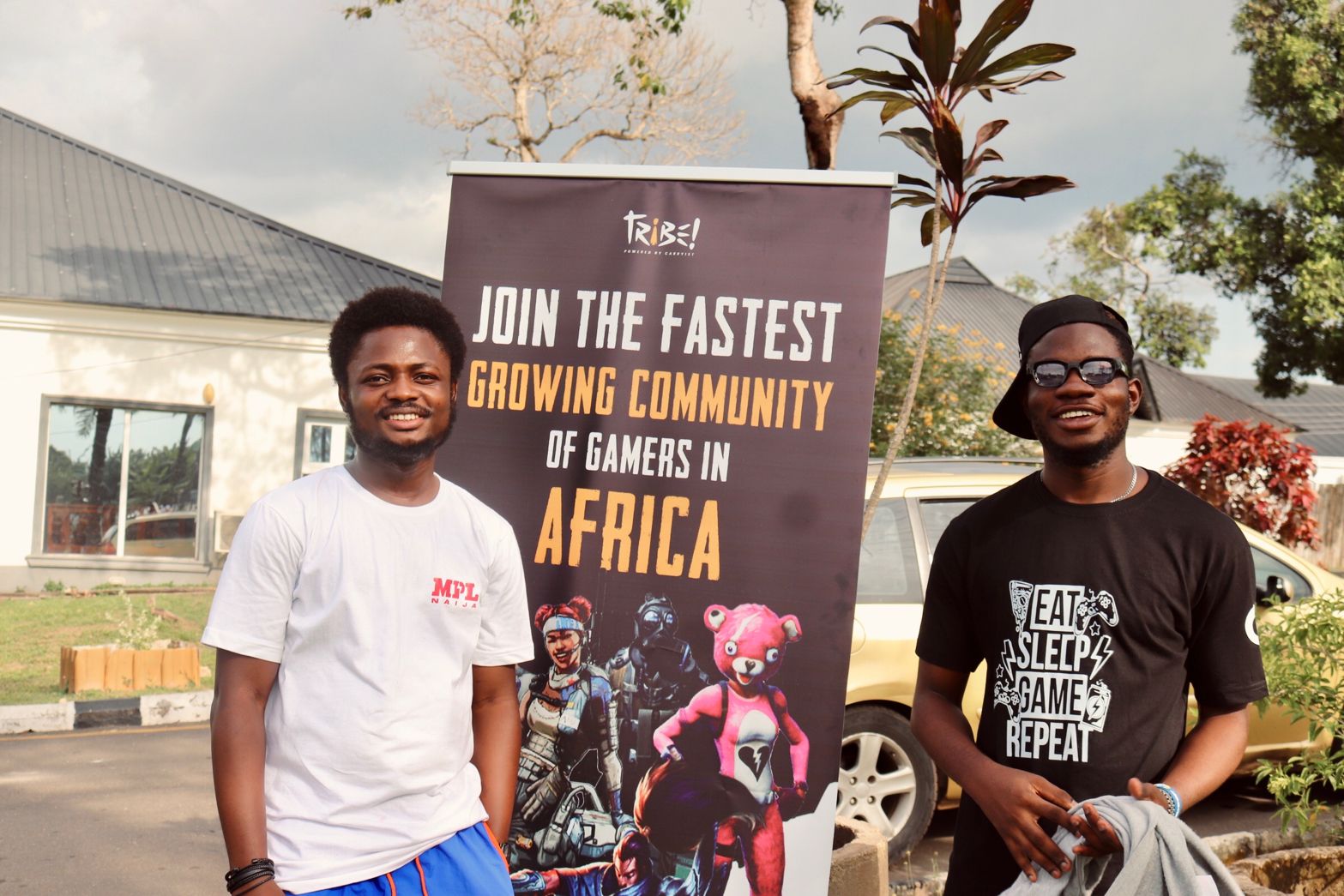
Traditional ambassador programs optimize for reach. Carry1st optimized for something harder to measure: making communities feel organic.
"One of the things we prioritized when we started building communities was that people did not think the communities were owned by Carry1st," Shanz says. "They felt organic."
Think about that for a second. Most brands would kill for their name to be plastered everywhere. Carry1st deliberately made their involvement less visible so the communities would feel real.
The selection process reflected this philosophy. They looked for two qualities: someone plays games and demonstrates leadership. That's it. No requirement for prior ambassador experience. No demand for massive social followings either. Just a genuine passion for gaming and the capacity to bring people together.
Then came that single WhatsApp call. The idea was as simple as one campus leader per university. Throw them into a group together and see what the magic would be.
"There was like a peer-to-peer team between the campus leaders, and that really helped," Shanz recalls. "We didn't want to stress with assessments and all that stuff. We used one call, and we hoped they would impress on that call."
The peer-to-peer element was crucial. Campus leaders could see what worked at other universities, adapt strategies, and troubleshoot problems together. Carry1st provided training and support, but the communities themselves grew organically, shaped by students who understood their campuses better than any headquarters ever could.
How You Actually Scale This Without Losing Control
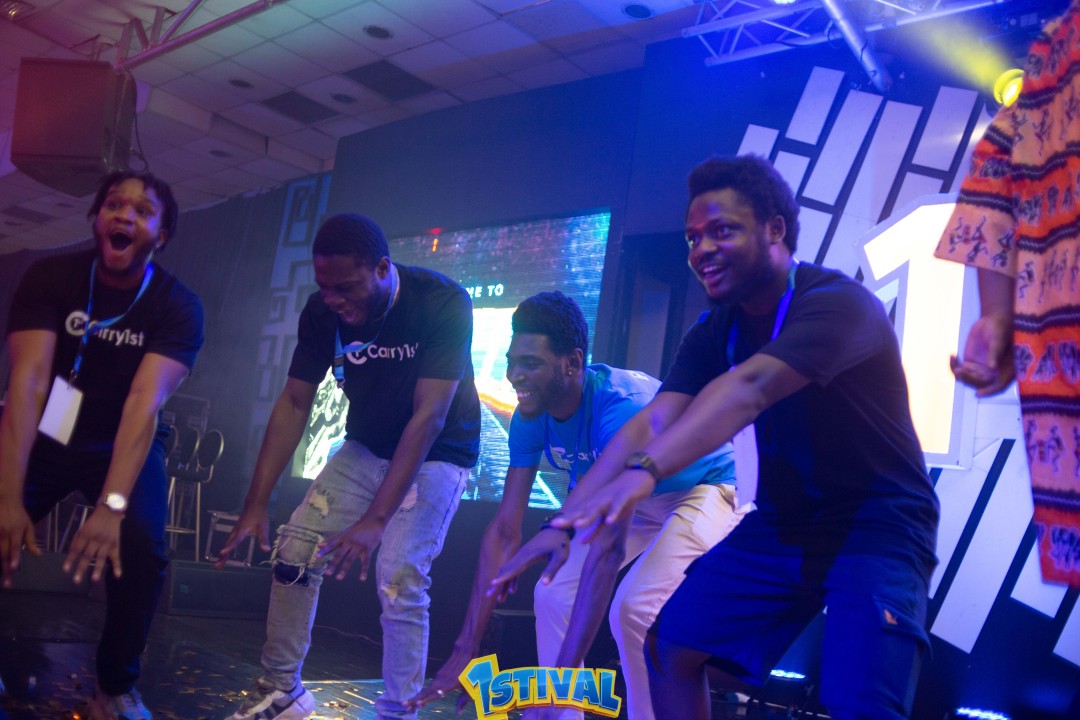
Here's the operational question that matters: how do you manage communities at 30 universities, then 50, with thousands of members each, without either micromanaging into oblivion or losing all oversight?
Carry1st's answer was elegant. Find one trusted person per campus. Give them support. As communities grow, ask them to bring in moderators. Build succession plans. Repeat.
They got strategic about who they selected. Final-year students? Almost never. Too close to graduation. Freshmen? Also rare. The sweet spot was students with 2-3 years left—enough time to build something meaningful, grow into leadership, and potentially train their replacements.
By year three, the program had grown to 30-40 moderators supporting those 50+ campus communities. The incentive structure evolved with the program's goals. Early days? Growth was everything, and incentives reflected that. Later stages? Different objectives, different rewards.
"At every point in the program, we had different focuses," Shanz explains. "At some point, we were trying to scale rapidly, and the incentives were tied to growth. When we moved that goal to a different thing, we also switched the incentives to reflect where we were going."
Money. Free products. Access. Setting privileges. The rewards changed, but the underlying philosophy stayed consistent: tie goals to rewards. Make it crystal clear what success looks like and what you get when you deliver it.
A Talent Pipeline Nobody Planned For
And then something unexpected happened: the community itself became a recruitment funnel. Individual campus leaders and mods started being tapped for full-time roles at Carry1st. The program’s alumni now include a community manager and even the head of all campus operations.
In hindsight it makes sense. Carry1st saw these students do real work – organizing 30 tournaments a month, liaising with university clubs, networking with industry guests. They watched who was hungry, who could rally a team, who could pivot under pressure (like when a favored game title suddenly got banned or popular game schedules changed). These were the qualities you want in employees, if only you could see them on resumes.
“As a founder/ business owner or hiring manager, why would I post a job and hope for the best when I have 18,000+ students at my disposal learning every day?” says Shanz. He explicitly wired the program to reveal talent. He and the HR folks knew the hats each student leader could wear: event planner, content creator, community liaison, growth hacker. If a campus leader demonstrated all five hours of on-the-ground grit, a job post was almost redundant – you already had proof.
It’s a lesson in recruitment most companies miss. According to recruiters at PeopleScout, partnering with universities and building a community is a powerful way to “build a future talent pipeline”. Carry1st did exactly that – and the payoff was people.
Yet it wasn't simply a matter of paying them more to keep them. Instead, Carry1st set up clear goal-to-reward structures. When growth was king, rewards glowed in the form of prizes and badges. When community depth mattered more, the rewards shifted accordingly. This dynamic alignment kept people intrinsically motivated. As Shanz puts it, the students needed to feel like “passion in the body" – passionate about the industry and the company – plus leadership skills and teachability. But one more thing tied it all together: ensuring the students' goals aligned with Carry1st’s. Done right, they'd push as hard for Carry1st's mission as their own.
The Willingness to Break What Works
Three years in, with 18,000+ students, 50+ communities, a proven model—this is when most companies would lock everything down. Standardize. Protect what's working. Don't mess with success.
Shanz talks about this moment differently. He talks about the importance of not being scared to make changes.
"There are times when we thought that, oh, if you make this move, it would ruin everything that we've done," he admits. "We realized that it wouldn't, as long as you communicate the reason behind your change. And you're working with the right people, they would adapt."
The program has made "really significant changes" since launch. Structural overhauls. Leadership transitions. System redesigns. The kind of changes that, in theory, could tank engagement or trigger mass exodus.
They didn't.
"We've made some big changes since the program started, and we don't see the people leaving," Shanz notes. "Eventually, I had to hand over to someone else, and the person I handed over to handed over to someone else who was a former campus leader."
The reason it worked comes back to that organic foundation. When your community actually feels like theirs, when the belonging is real and not performative, when you've communicated clearly about why changes matter—people stay. They adapt. They grow with you.
This is the part most playbooks miss. They'll tell you how to launch. They won't tell you how to evolve without breaking trust.
What Happens When You Optimize for Belonging
Carry1st regularly surveyed its communities for feedback. One response stopped Shanz cold.
The sense of belonging, the feeling of being part of something, the safe space for gamers; it mattered in ways that had nothing to do with downloads or engagement metrics.
"One of the positive feedbacks we got was that the community helped a certain member out of depression because of the feeling of oneness and the feeling of belonging," Shanz recalls. "It felt like they were a part of something."
This is what happens when you optimize for the right things. The business outcomes follow. Culture develops. Brand loyalty deepens, and of course, talent pipelines fill. But those outcomes emerge from a foundation of genuine community, not the other way around.
What This Means If You're Building Anything Similar
Strip away the gaming context, and you're left with principles that apply to almost any startup trying to build authentic communities:
Find your people where they already are, don't force them to come to you. For Carry1st, that was universities. For you, it might be Discord servers, subreddits, professional associations, niche forums. Meet them there.
Make belonging the goal, awareness the byproduct. Everyone chases reach. The brands that win long-term are building spaces where people actually want to show up, not spaces where they're paid to pretend.
Select for passion and potential over experience and polish. That one WhatsApp call wasn't about finding the most credentialed applicants. It was about finding people who cared enough to build something from scratch.
Build peer-to-peer support into the structure. Throwing campus leaders into a WhatsApp group together wasn't an afterthought. It created a support network that scaled better than any centralized training program could.
Tie incentives directly to program goals, then evolve them as goals shift. No generic reward structure. Crystal clear alignment between what you're asking for and what you're offering.
Don't be scared to make structural changes. Communicate clearly, work with the right people, and trust that real communities can adapt. Protecting what works sometimes means being willing to break it.
Think of community programs as talent development, and not just a marketing gimmick. The campus leaders you invest in today could be running your company tomorrow. Build accordingly.
The Long Game
In a startup ecosystem obsessed with growth hacks and viral mechanics, Carry1st's campus program stands out for its almost radical patience. Three years to build 50+ communities, consistent investment in students who might not become customers for years. A willingness to hand over control and trust that communities would remain healthy.
It worked because they understood something most companies miss: you can't manufacture belonging. You can only create the conditions for it to emerge.
The students who joined those first WhatsApp groups didn't sign up to be ambassadors. They signed up to be part of something real. Three years later, some of them are now running the program. Others have moved into roles across the African tech sector. And the communities they built continue to grow.
When you trust people enough to hand them control, or you're willing to make tough changes because the goal is building something sustainable, not protecting what's comfortable.
One WhatsApp call at a time.