
    Uber in Nigeria: How the World's Biggest Ride-Hailing Platform Transformed Urban Transportation Across Lagos, Abuja, and Beyond

    Uber transformed Nigerian transport. Discover how it disrupted cities like Lagos & Abuja, adapted to local challenges, and sparked a ride-hailing revolution.

    Jump to
    Uber in Nigeria: How the World's Biggest Ride-Hailing Platform Transformed Urban Transportation Across Lagos, Abuja, and Beyond
    Illustration · CareerBuddy

    When Uber launched in Lagos in July 2014, most Nigerians had never heard of "ride-hailing." The concept of pressing a button on your phone and having a clean, air-conditioned car show up within minutes — with the fare calculated automatically and paid cashlessly — sounded like science fiction in a city where getting a taxi meant standing on a dusty roadside, haggling aggressively with a yellow cab driver, and hoping the vehicle's brakes actually worked. Yet Uber didn't just introduce a new app to Nigeria. It introduced an entirely new category of urban transportation that would reshape how millions of Nigerians move around their cities.

    Today, with an estimated 5 million+ users in Nigeria and operations across eight cities — Lagos, Abuja, Port Harcourt, Benin City, Uyo, Warri, Enugu, and Kano — Uber has become synonymous with ride-hailing in the country, even as aggressive competitors like Bolt, inDrive, and local players have eaten into its market share. The Uber story in Nigeria is one of disruption, adaptation, fierce competition, and the complex realities of operating a global tech platform in Africa's largest economy.

    The Early Days: Uber Comes to Lagos
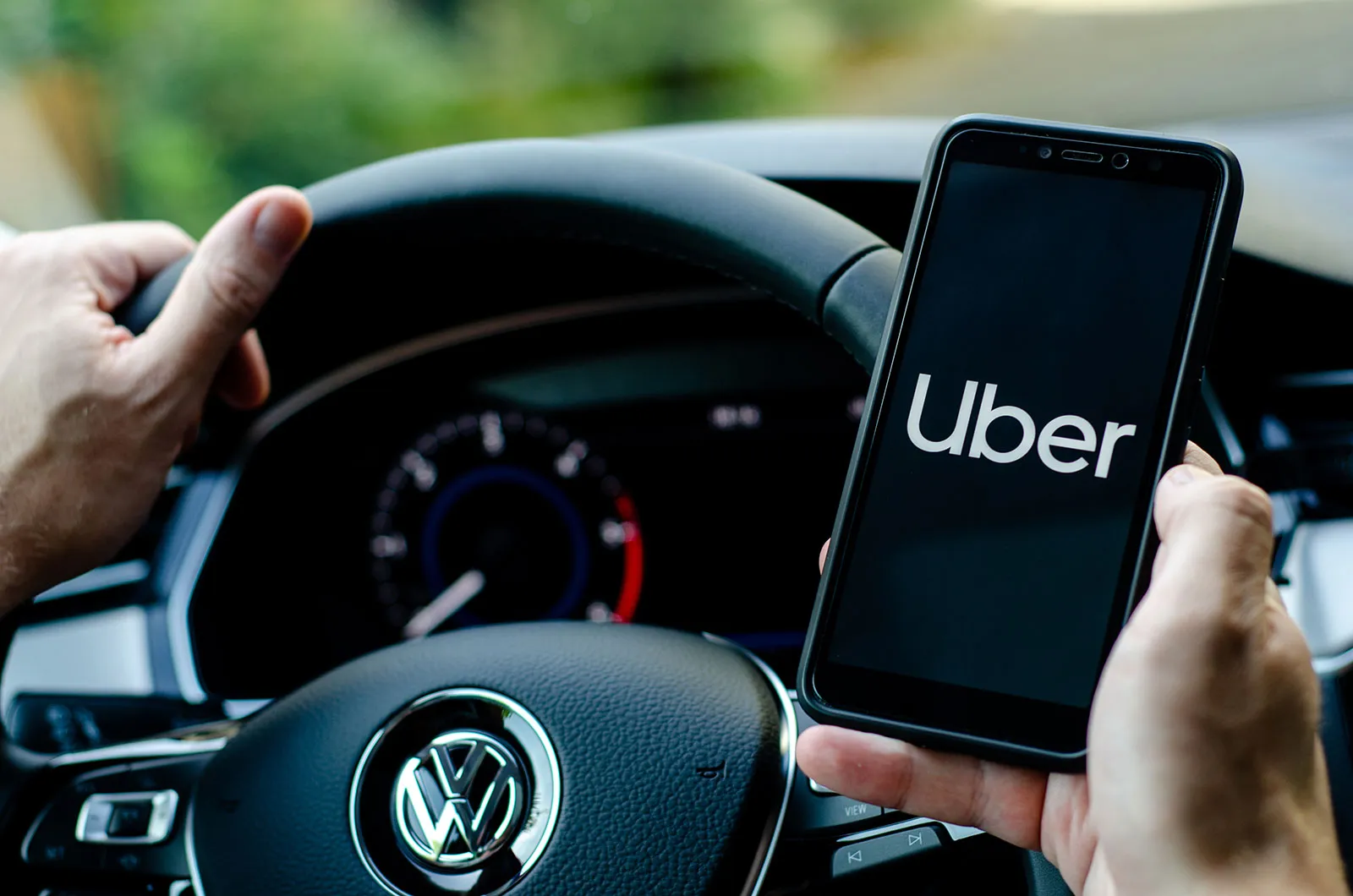
    uBER

    Uber's entry into Nigeria in 2014 was part of its broader African expansion strategy, which also included launches in Johannesburg, Nairobi, and Cairo. Lagos — Africa's largest city with a population exceeding 20 million — was an obvious choice. The city's transportation challenges were legendary: chronic traffic congestion, an inadequate public transport system, unreliable and often unsafe traditional taxis, and a rapidly growing middle class that desperately wanted better options.

    The early days were challenging. Uber had to convince both riders and drivers to trust a completely new model. Riders were sceptical about getting into a stranger's car. Drivers were sceptical about letting strangers into theirs. Payment was another hurdle — Uber's cashless model required credit or debit cards, which many Nigerians didn't have or didn't trust for online transactions. In response, Uber made a critical adaptation: it introduced cash payments in Nigeria, one of the first markets globally where Uber accepted cash. This single decision dramatically expanded its addressable market and set a template that Uber would later replicate across other emerging markets.

    The early Uber experience in Lagos was genuinely transformative. For the first time, Lagosians could track their driver's location in real time, see the estimated fare before booking, rate their driver after the trip, and contact Uber support if something went wrong. Compared to the unpredictable, opaque, and sometimes dangerous experience of traditional taxis, Uber felt like a quantum leap forward.

    How Uber Works in Nigeria

    Uber's Nigerian operation offers several service tiers to cater to different needs and budgets. UberX is the most popular and affordable option, using standard sedans like the Toyota Corolla, Honda Accord, and Nissan Altima. Uber Comfort offers newer vehicles with extra legroom for a slight premium. UberBLACK provides a premium experience with high-end vehicles like Audi, BMW, and Mercedes-Benz sedans — popular for business executives and airport pickups. Uber Connect allows users to send packages across the city without riding along, tapping into the growing last-mile delivery market.

    The booking process is straightforward. Users enter their destination, see an estimated fare, choose their ride type, and confirm the booking. The app matches them with the nearest available driver, shows the driver's name, photo, vehicle details, and licence plate, and provides real-time GPS tracking of the driver's approach and the trip itself. Payment can be made by card or cash, and both riders and drivers rate each other after every trip, creating a self-policing accountability system.

    Uber has invested heavily in safety features for the Nigerian market. The app includes an emergency assistance button that can connect riders to local authorities. Uber has partnered with AXA Mansard to provide insurance coverage for both drivers and riders during trips. All drivers undergo background checks and psychometric testing, and vehicles must meet specific requirements: sedans from 2009 or newer, with a maximum mileage of 100,000 kilometres, functional air conditioning and radios, and no salvage history.

    The Uber Economy: Drivers, Earnings, and Livelihoods

    Beyond serving riders, Uber has created a significant economic ecosystem in Nigeria. Tens of thousands of Nigerians drive for Uber — either using their own vehicles or, more commonly, driving cars owned by fleet operators who purchase vehicles specifically for ride-hailing. This "fleet model" has become a substantial business in itself, with entrepreneurs buying fleets of Corolla and Camry sedans, hiring drivers, and splitting earnings.

    The economics of driving for Uber in Nigeria are complex and frequently debated. Uber takes a 25% commission on each fare, which drivers and driver advocates argue is too high given Nigeria's rising fuel costs, vehicle maintenance expenses, and the depreciation of the naira. After fuel, maintenance, and Uber's commission, many drivers report that their net earnings, while better than some alternatives, don't match the initial promise of ride-hailing as a path to middle-class income.

    Despite these challenges, Uber driving remains one of the most accessible income opportunities in urban Nigeria. The flexibility — drivers can work when they want, for as long as they want — appeals to students, professionals between jobs, and retirees looking for supplemental income. During economic downturns, the ride-hailing sector has served as a crucial safety net, absorbing workers displaced from other industries.

    Competition: Uber vs. Bolt vs. inDrive vs. the Rest

    Uber's biggest challenge in Nigeria isn't technology or regulation — it's competition. Bolt (formerly Taxify), the Estonian ride-hailing company, has arguably overtaken Uber as the most-used ride-hailing app in Nigeria. Bolt's strategy of charging lower commissions (15% vs. Uber's 25%), offering lower fares to riders, and aggressively onboarding drivers has made it the preferred platform for both price-sensitive riders and earnings-conscious drivers.

    inDrive, the Russian ride-hailing app that lets riders negotiate fares with drivers, has also gained significant traction in Nigeria, particularly among budget-conscious users who prefer to set their own price rather than accept algorithm-determined fares. With an estimated 3 million+ Nigerian users, inDrive has carved out a substantial niche in the market.


    The competition has had mixed effects. On one hand, it has driven down prices, improved service quality, and given consumers more choices. On the other hand, it has squeezed driver earnings as platforms compete on price, and it has led to a fragmented market where riders often need multiple ride-hailing apps on their phones to find the best option for any given trip.

    A 2025 industry analysis found that 47% of e-hailing passengers in Nigeria use ride-hailing services multiple times a week, indicating how deeply embedded these platforms have become in daily life. However, the same analysis noted that Uber appears to be losing ground to Bolt and inDrive, with its higher pricing no longer justified by superior service quality.

    Challenges and Controversies

    Uber's Nigerian journey hasn't been without controversy. The company has faced repeated clashes with traditional taxi unions and bus operators who view ride-hailing as an existential threat. In Lagos, there have been multiple incidents of traditional taxi drivers attacking Uber vehicles, and regulatory battles have periodically threatened the platform's operations.

    The Ride-Hailing and Smart Mobility Bill, 2025, currently making its way through Nigeria's legislature, represents the government's attempt to regulate the industry comprehensively. The bill proposes licensing requirements for platforms and drivers, safety standards, fare regulations, and data protection requirements. While regulation is generally welcomed as a sign of industry maturity, ride-hailing platforms worry that excessive regulation could increase costs and reduce the flexibility that makes the model work.

    Safety remains a persistent concern. Despite Uber's safety features, there have been reported incidents of driver misconduct, vehicle accidents, and security issues. The reality is that in a country where police response times are often measured in hours rather than minutes, app-based safety features can only do so much. Uber has responded by investing in driver screening, in-app safety tools, and partnerships with security services, but the challenge of ensuring rider safety in Nigerian urban environments remains ongoing.

    Driver welfare is another contentious issue. The classification of drivers as "independent contractors" rather than employees means they receive no benefits, health insurance, or retirement contributions from Uber. Combined with rising fuel costs, vehicle depreciation, and Uber's commission, many drivers feel economically squeezed. Periodic driver protests and strike actions have highlighted these grievances, though Uber has generally maintained that its model provides flexibility that traditional employment doesn't.

    Uber's Impact on Nigerian Urban Life

    Whatever criticisms can be levelled at Uber, its impact on Nigerian urban transportation has been profound and largely positive. Before ride-hailing, getting around Lagos or Abuja reliably, safely, and without owning a car was a daily struggle. Uber — along with Bolt and other competitors it helped inspire — has given millions of Nigerians a transportation option that is safer than traditional taxis, more reliable than public buses, more affordable than car ownership, and more convenient than anything that existed before.

    The ripple effects extend beyond transportation. Ride-hailing has created tens of thousands of jobs (or income opportunities, depending on how you classify the driver relationship). It has enabled the fleet management industry. It has pushed traditional taxis to improve their service. It has given women a safer late-night transportation option. And it has changed the economic geography of cities by making it practical to live further from work, expanding the areas where people can affordably commute.

    Key Details About Uber in Nigeria

    • Founded: 2009 (global), 2014 (Nigeria launch)

    • Founders: Travis Kalanick and Garrett Camp

    • Headquarters: San Francisco, California, USA

    • Nigerian Users: 5 million+ estimated

    • Cities: Lagos, Abuja, Port Harcourt, Benin City, Uyo, Warri, Enugu, Kano

    • Services: UberX, Uber Comfort, UberBLACK, Uber Connect

    • Payment: Card, cash, Uber Cash

    • Safety Partner: AXA Mansard (insurance)

    • Driver Commission: 25%

    • Market Position: #2 behind Bolt in Nigeria

    • Download: Google Play Store | Apple App Store

    • Website: www.uber.com/ng

    The Verdict

    Uber in Nigeria is the story of a global giant that fundamentally changed how a nation moves, even as it struggles to maintain its dominance in the market it helped create. The company deserves credit for pioneering ride-hailing in Nigeria, for adapting its model to local realities (especially the introduction of cash payments), and for setting the standards of service quality, safety, and transparency that the entire industry now follows. But Uber's reluctance to compete aggressively on price, its high commission rates, and the perception that it's a foreign company extracting value from Nigerian drivers have allowed hungrier competitors to chip away at its lead.

    With Nigeria's ride-hailing market projected to reach $477 million by 2029 and user numbers expected to hit 42.88 million, the stakes are enormous. Uber isn't going anywhere — its brand recognition, global infrastructure, and deep pockets ensure that. But whether it can reclaim the top position in Nigeria's ride-hailing market, or whether it's content to be a strong number two behind Bolt, will depend on its willingness to adapt its global playbook to the specific demands of the Nigerian consumer. In a market where 47% of riders use e-hailing multiple times a week, there's more than enough demand to go around. The question is who captures the largest share of it.

    Advertisement

    Advertisement

    In-Article Ad

    Native ad placement

    LinkedIn Optimization Guide
    Free Download

    LinkedIn Optimization Guide

    Stand out to recruiters with a profile optimized for pan-African and international opportunities.

    Get this on WhatsApp

    Join the CareerBuddy WhatsApp Group for daily career, salary, and AI-at-work intel for African professionals. Free, two taps.

    More Stories You'll Love

    Discussion

    Sign in or create a free CareerBuddy account to join the discussion. Comments are moderated; abusive posts are removed.

    No comments yet. Be the first — set the tone.