
    Why You Should Never Accept that Counteroffer

    Got a counteroffer after resigning? Think twice. We explain, through real examples and HR insights, why accepting a counteroffer often backfires.

    Jump to
    Why You Should Never Accept that Counteroffer
    Illustration · CareerBuddy

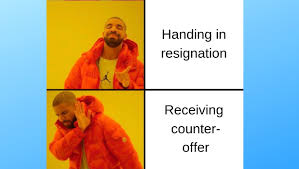
    When you’re about to resign and your employer suddenly dangles a juicy counteroffer to make you stay, it can feel very flattering. More money, maybe a promotion – “Wow, they really do value me!” you might think. But pause and listen to the hard truth from HR veterans: Never accept a counteroffer. It’s a classic blunder that often ends in regret.

    I’ve seen this play out time and again in my HR career. Let me share one story (with names changed) that encapsulates why counteroffers are usually fool’s gold:

    Kunle was earning ₦100,000/month at his job. Feeling underpaid and undervalued, he interviewed elsewhere and got a solid new offer of ₦170,000 – a 70% jump! He excitedly put in his resignation letter. As soon as Kunle’s boss got wind that he was leaving, they panicked at the thought of losing him. They hurriedly threw a ₦190,000 counteroffer on the table – even higher than the new company’s offer. Feeling like a prized asset, Kunle accepted on the spot and turned down the new job.

    Fast forward 4 months. The company had retained Kunle, but a few leadership changes and budget reviews later, they decided he was actually dispensable. In fact, they could hire two junior staff for the price of Kunle’s new salary. So one gloomy Monday, Kunle was let go – yes, fired just a few months after being “begged” to stay. Suddenly that extra ₦90k meant nothing; he was back on the job market. I’ll never forget his message to me: “Hi sir, I’m really sorry… do you have any openings?”

    Kunle’s story is painfully common. Studies show over 80% of people who accept counteroffers leave (or are let go) within 6 months anyway. The counteroffer “raise” is a short-term patch, not a real change in how you’re valued. Let’s break down why accepting a counteroffer often backfires:
    Why You Should Never Accept that Counteroffer

    1. “If They Valued You, They’d Have Paid You More Earlier”

    Harsh but true. Why did it take the threat of your resignation for your company to offer you what you’re actually worth? If you were making ₦100k and they could afford ₦190k, what does that say? It suggests they were content underpaying you until you tried to leave.

    A counteroffer is reactive. It’s driven by the inconvenience of your departure, not a genuine epiphany about your value. As one HR expert puts it, “If they truly valued you, they wouldn’t wait until your resignation to pay you fairly.”

    Sure, there are cases where companies genuinely have lapses in adjusting salaries and your resignation is a wake-up call. But more often:

    • They needed you to fill a gap until they find a cheaper replacement.

    • They fear disruption to current projects if you leave abruptly.

    • Your manager’s KPIs or bonus might suffer if you quit (e.g., losing headcount or having to spend time hiring).

    None of those reasons are about you and your long-term growth. It’s about them and the company’s short-term needs.

    2. Counteroffers Are a Temporary Fix, Not a Change of Heart

    Think of a counteroffer like a bandaid slapped on a wound. It covers the issue, but the underlying injury might still be festering. The reasons you wanted to leave likely go beyond salary. It could be lack of growth, poor work culture, bad boss, insane workload, etc. A pay increase or new title doesn’t magically fix those issues.

    At best, the extra money gives you a honeymoon period of renewed motivation. But if nothing else changes, in a few months the old frustrations return. In Kunle’s case, the same management that undervalued him initially was still there – and their view of him didn’t truly change, they just paid more to buy time. Many employees report that after a counteroffer, they feel awkward at work: they know they had one foot out the door, and so does management. Trust can be eroded on both sides.

    Recruiters often cite a stat that 90% of employees who accept a counteroffer leave within a year (either voluntarily or involuntarily). That aligns with what we see anecdotally. The counteroffer is like taping a cracked wall – the crack usually shows up again, sometimes worse.

    3. Your Loyalty Will Be Questioned (and Possibly Punished)

    This is a big one companies don’t admit openly. Once you accept that counteroffer, some bosses may view you differently. You effectively signaled that you were unhappy enough to nearly leave. Even though you stayed, management might label you as “not fully loyal” or a flight risk.

    What does that lead to?

    • Passed up for Promotions: Next time a juicy project or promotion comes, they might prefer someone “more committed”. They might fear you’ll leverage another offer again. So you could be sidelined in subtle ways.

    • Trust Deficit: You might not be included in long-term plans or confidential discussions because hey, you were about to jump ship. They may start grooming a backup for your role quietly.

    • Resentment or Envy: Colleagues may find out you got a huge raise by threatening to leave (office gossip spreads fast). This can breed resentment in the team, or encourage others to play the same card. Either way, it can sour relationships at work.

    There’s a real psychological shift after a counteroffer. Your employer might feel like they “caved” to keep you. That doesn’t foster goodwill; it often breeds a subconscious effort to ensure they aren’t held hostage by you again. You, meanwhile, might feel a bit guilty or uneasy that you had to strong-arm for a raise. It’s not exactly a foundation for a trusting work relationship.

    4. The Company is Buying Time, Not Changing Its Ways

    Let’s be cynical for a minute. Suppose a company gives a counteroffer mostly because they need you right now – maybe a project deadline looms, or hiring a replacement would take 3 months of training, etc. Their goal is to keep you long enough until it’s convenient to let you go or until they find a replacement discreetly.

    I’ve seen companies keep someone who accepted a counteroffer on board for say 6 months, then start hiring their replacement behind the scenes. Once the new person is trained, the old (counteroffer) employee is let go. Essentially, the company used the counteroffer period to ensure a smooth transition on their terms, not yours. It sounds Machiavellian, but it happens. In Kunle’s case, he suspects (rightly) that they started lining up a cheaper hire soon after he stayed, and when ready, they booted him.

    Even if it’s not that cold-blooded, at minimum the company has bought time to plan without you. You’ve lost your leverage once you say yes to the counteroffer. Think about it: you already showed you were willing to leave, and they persuaded you to stay this time. Try that again in a year – will they fight to keep you again or think “fool me twice, shame on me”? The first counteroffer might also strain your professional reputation internally, as mentioned.


    So realistically, the counteroffer is often about what suits the company at that moment, not a long-term investment in your career.

    5. You Risk Burning Bridges with the Other Employer

    While focusing on your current job’s counteroffer, remember that you likely went far along with a new employer. You may have even signed an offer letter or verbally committed. By backing out last-minute because of a counteroffer, you could damage your reputation with that prospective employer.

    Industries can be small worlds. Hiring managers talk. If you ghost a company after accepting an offer, they certainly won’t consider you again easily, and word might spread informally that you reneged. The opportunity you gave up – you might not get back when things go south at your current job (as they often do after a counteroffer).

    Kunle, for instance, tried to go back to the company that offered him ₦170k after he was fired. They had already filled the role and were not keen on entertaining him again. He described feeling a bit foolish contacting them. You don’t want to burn a potential employer who genuinely wanted you for one that is giving you reactionary love.

    6. It Rarely Fixes the Real Issues

    When surveyed, only about 12% of employees report being satisfied after accepting a counteroffer. That’s abysmally low. The raise wears off as the day-to-day reality sinks in: the things that made you job-hunt in the first place are probably still present. Those reasons might include:

    • Limited growth opportunities or career stagnation.

    • Work culture or environment issues (toxic boss, lack of recognition).

    • Poor work-life balance or insane hours.

    • Instability or lack of company direction.

    Money is motivating, but only to a point. If fundamental job satisfaction factors are broken, a fatter paycheck won’t make Monday mornings much better after the initial excitement. You’ll remember “Oh right, I still hate these meetings” or “This role is still not what I want to do long-term.”

    In contrast, when you sought a new job, presumably you vetted that those issues would improve – perhaps the new role offered better career path or a company culture you admired. By turning that down, you essentially traded those non-monetary improvements for short-term monetary gain.

    7. It Can Tarnish Your Integrity or Personal Brand

    This point is more about personal pride and reputation. If you handled the resignation and counteroffer poorly (say, you used the outside offer as a bargaining chip very visibly, or maybe you told colleagues you were leaving then didn’t), it can affect how people see you.

    Some employers might view an employee who takes a counteroffer as someone who was “bluffing” for a raise. Fair or not, you might hear a remark like “Oh, Chidi wasn’t really going to leave, he just wanted more money.” Your genuine intentions aside, you become “the person who threatened to resign.” That can undermine trust. In any future salary or role conversations, management could be defensive or dismissive (“Are you going to try to force our hand again?”).

    Also, you personally might feel awkward – one foot out and back in. It’s like breaking up with a partner and getting back together immediately; some things are never the same.

    What To Do Instead of Accepting a Counteroffer

    The best way to win the counteroffer game is not to play it. If you reached the point of getting a solid outside offer and you know your reasons for wanting to leave are valid, follow through. Leave gracefully, on good terms, but firmly.

    However, what if you truly still love your company and would prefer to stay if XYZ issue is addressed? In that case, address it before you job-hunt, if possible. Talk to your manager about a raise or role change when you’re not with one foot out the door. It might or might not yield results, but it’s a cleaner approach. Don’t use outside offers as leverage unless you’re 100% prepared to actually leave.

    And if you do resign and get a counteroffer, consider these steps instead of jumping at it:

    • Talk to mentors or colleagues (confidentially) for perspective: They’ll likely echo these warnings, but an external viewpoint helps when you’re intoxicated by a surprise raise.

    • Evaluate the new offer vs counteroffer holistically: Apart from salary, does your current job’s counteroffer actually solve the things that pushed you to interview elsewhere? If it’s just money, that’s a red flag.

    • Consider your long-term career goals: Which option aligns better? Often the external move does – new environment, possibly bigger responsibilities, etc., vs. current place which might have had you pigeonholed.

    If you’re an exceptional contributor, it can feel like “They finally recognize my worth!” when a counteroffer comes. But more often, it’s “They finally realized the pain of losing me (for now).”

    A Note for Employers:

    Interestingly, counteroffers can also breed resentment on the employer side. Other employees may think, “So I need to get an outside offer to be valued here?” It can encourage a cycle of brinkmanship that hurts morale. It’s often healthier for an organization to let someone leave and perhaps work on why people want to leave, rather than throw money as a band-aid. Employers have also reported that those who stay for a counteroffer often leave soon anyway or underperform (perhaps because their motivation wasn’t truly restored).

    In Summary:


    A counteroffer might look like a win – more money, you don’t have to “start over” at a new place, ego boost that you’re indispensable – but it’s usually a mirage. The underlying issues remain, and sometimes intensify. The statistics and real-world cases heavily suggest it’s better to graciously decline counteroffers and move on to the new opportunity.

    Your current company had its chance to keep you happy. If that failed and you went job-hunting, trust your initial resolve. Nine times out of ten, jumping ship is the right call for your growth and sanity.

    A counteroffer is not a reward for your loyalty; it’s a stalling tactic. Don’t fall for it. It often looks like a win… until it isn’t.

    Keep Kunle’s story in mind when that tempting counteroffer comes your way. As tough as it is to say no to extra cash, in the long run you’ll likely be better off saying, “Thanks, but I must move on.” And move on with professionalism. Remember, the bridge back has a troll under it – better to cross a new one.

    Advertisement

    Advertisement

    In-Article Ad

    Native ad placement

    Salary Negotiation Playbook
    Free Download

    Salary Negotiation Playbook

    Proven strategies to negotiate your worth in African markets. Includes scripts and market data.

    Get this on WhatsApp

    Join the CareerBuddy WhatsApp Group for daily career, salary, and AI-at-work intel for African professionals. Free, two taps.

    More Stories You'll Love

    Discussion

    Sign in or create a free CareerBuddy account to join the discussion. Comments are moderated; abusive posts are removed.

    No comments yet. Be the first — set the tone.