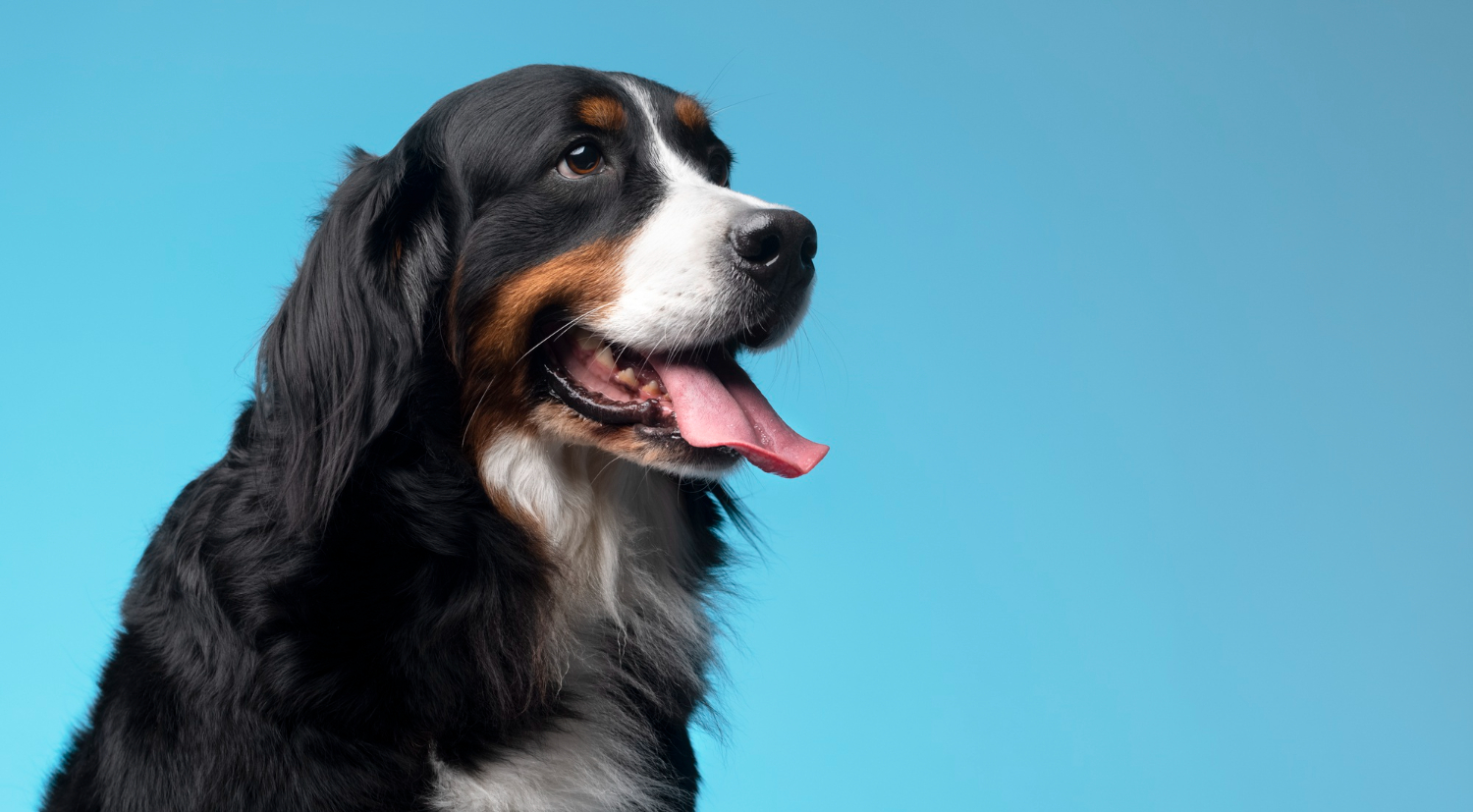
Your Dog Understands People Better Than Most Managers Do
The five qualities that separate genuinely great leaders from technically competent ones have been modelled before us for centuries. We just weren’t paying the right kind of attention.
There is a conversation in leadership development circles that has been going on for decades, producing thousands of books, frameworks, and training modules, and arriving at conclusions that a dog could have told you for free. Not metaphorically. Literally. The qualities that research consistently finds in the most effective leaders: optimism, courage, emotional intelligence, kindness, and the capacity to recover from failure, are qualities that any animal behaviourist would recognise immediately as the defining traits of a well-adjusted dog.

This is not a joke at the expense of management theory. It is an observation about where good leadership actually comes from. Not from the capacity to project authority or to perform decisiveness, but from a more fundamental orientation toward the people you are supposed to be leading. And that orientation, stripped of its professional language, turns out to look a great deal like the thing we love about dogs.
Here are five qualities worth examining, and why they matter more than most leadership training will tell you.
• • •
Optimism That Is Not Performed
There is a version of leader optimism that most people have experienced and found exhausting: the mandatory positivity, the relentless reframing of bad news as opportunity, the sense that enthusiasm is being manufactured for the audience rather than genuinely felt by the person projecting it. This is not optimism. It is its costume.
Genuine optimism in a leader is a different thing. It is the disposition that, even in a difficult situation, looks for what is workable rather than dwelling on what has gone wrong. Psychology research is consistent on this: positive emotional states in leaders spread to their teams through a process called emotional contagion, and teams led by genuinely good-natured leaders tend to help each other more, communicate more freely, and perform better on collaborative tasks.
The keyword is genuinely. A dog on a morning walk is not performing delight at the smell of the air. It is simply delighted. That uncalculated quality is precisely what makes it contagious. A leader who is actually excited about the work, not performing excitement for their team’s benefit, produces the same effect. People can tell the difference, and the difference matters for how they show up.
For Nigerian leaders specifically, this quality warrants examination in its local context. The prevailing style in many organizations here tends toward seriousness as a signal of authority. The research does not support the tradeoff. Teams perform better under leaders who create a pleasant work environment, and there is no evidence that warmth costs a leader credibility with people who are actually watching their decisions.
• • •
Courage That Runs Toward the Problem
Courageous leadership is defined less by its content than by its direction. The leader who delivers bad news to stakeholders rather than waiting for someone else to. The one who disagrees publicly with a decision made above them when they have evidence that it is wrong. The one who takes responsibility for a team failure in a room full of people looking for someone to blame. These acts do not require extraordinary bravery. They require the kind of orientation that chooses discomfort when discomfort is the honest option.
In organizational settings — particularly hierarchical ones, and Nigerian corporate culture tends toward hierarchy — the absence of this quality is felt more sharply than its presence. Teams that do not trust their manager to advocate for them, to take a position when a position is needed, or to protect them from unfair consequences tend to perform conservatively. They do not take risks, because the person who is supposed to have their back does not appear to. The presence of a leader who moves toward the problem rather than away from it fundamentally changes this calculus.
• • •
Intelligence That Reads the Room
The border collie is often cited as the most intelligent dog breed, and the specific quality that earns that designation is instructive. It is not that border collies are simply fast learners. It is that they know which sheep to herd patiently and which to redirect more sharply. They read the individual in front of them and adjust.