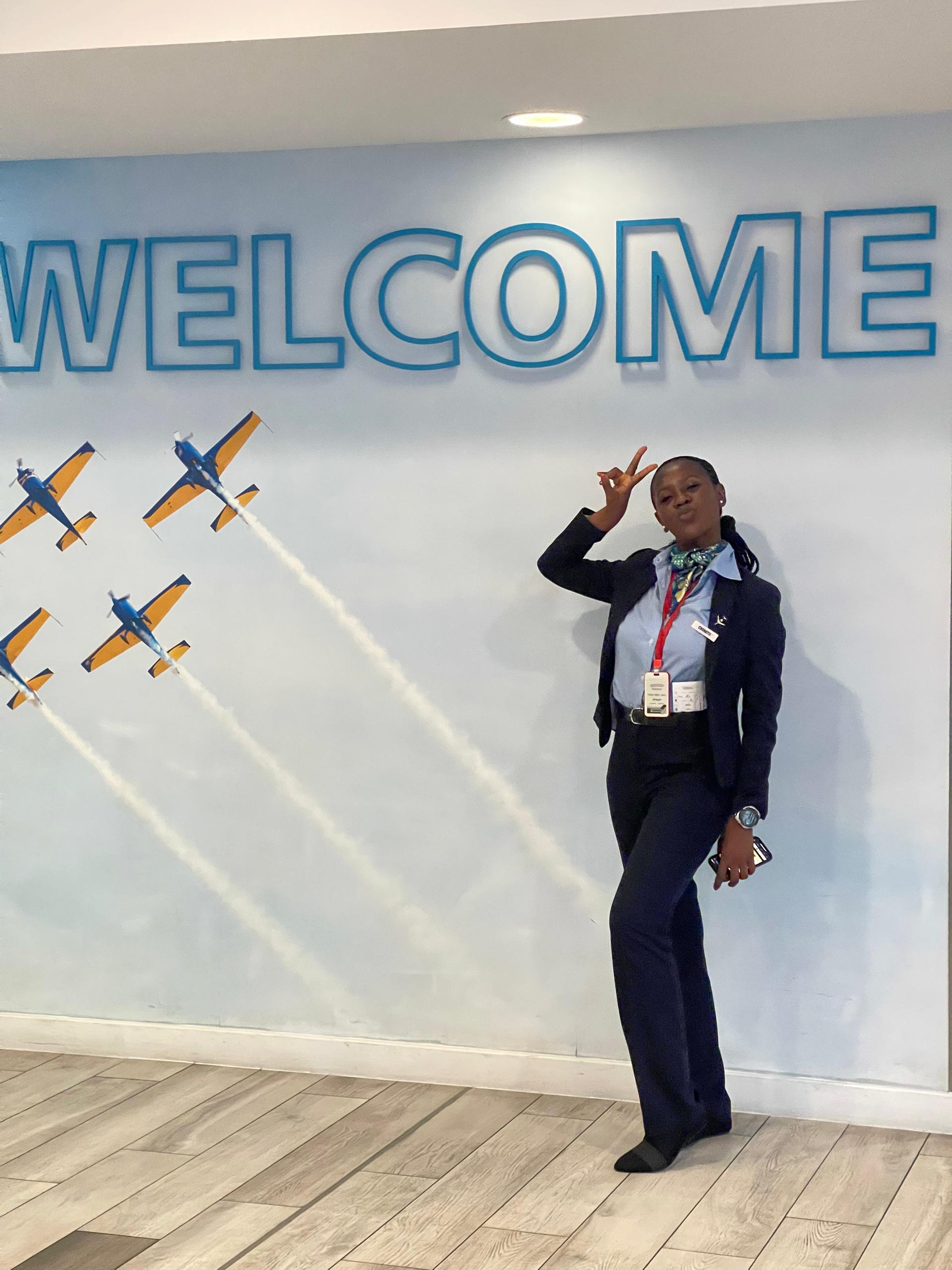
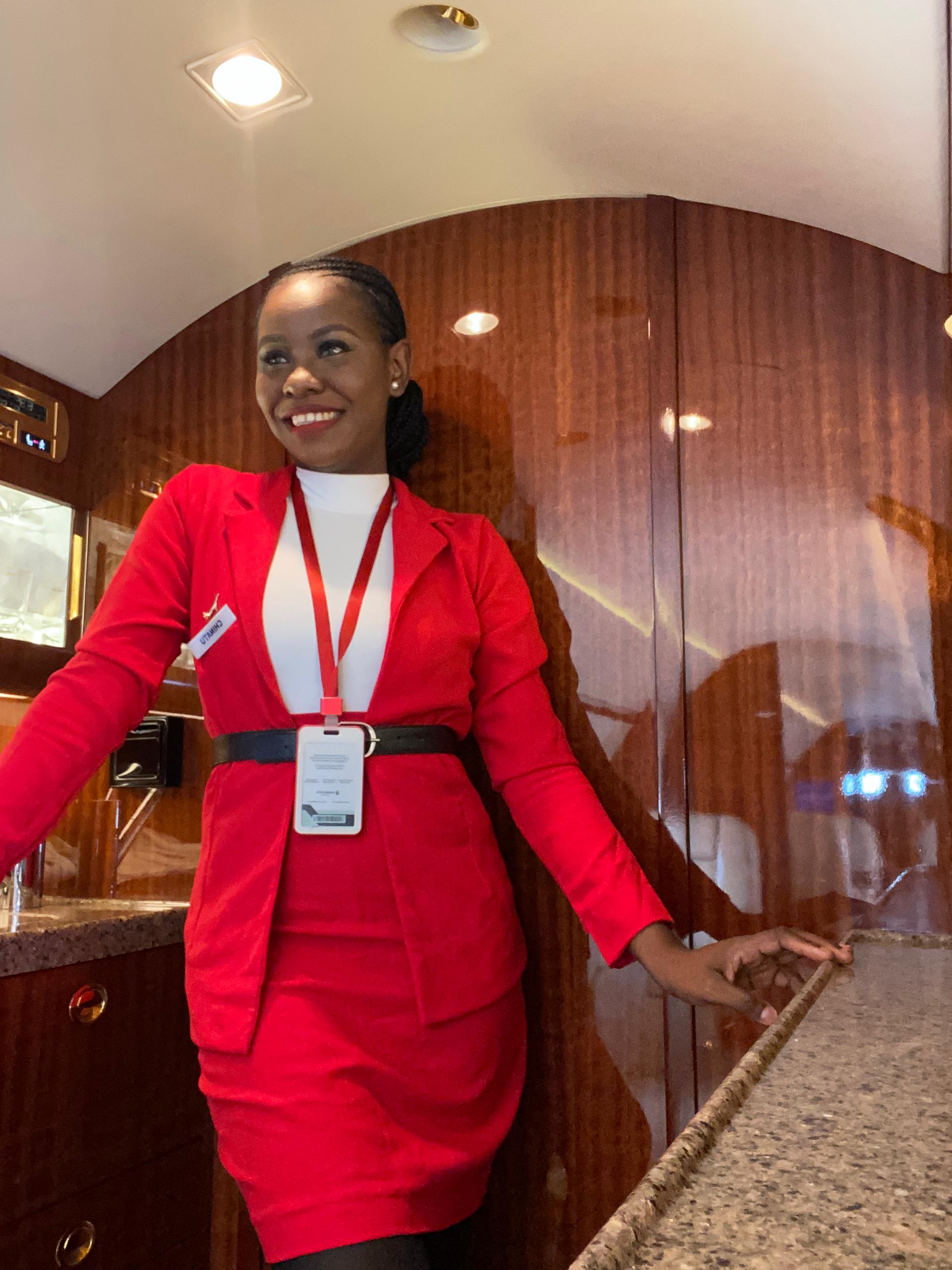
It's 5:30 AM; the hangar is cold and antiseptic. A Gulfstream awaits. Chinatu Mary Chukwuma walks toward it, checklist in hand. In the quiet before the doors open, before CEOs, dignitaries, or world leaders arrive, she feels most alive.
“Curating unique in-flight experiences … ensuring discretion … those are not extras for me,” she says. Chinatu is a corporate flight attendant who works in a cross-cultural environment where every detail matters. She’s also a writer who’s on a mission to challenge myths about private aviation.
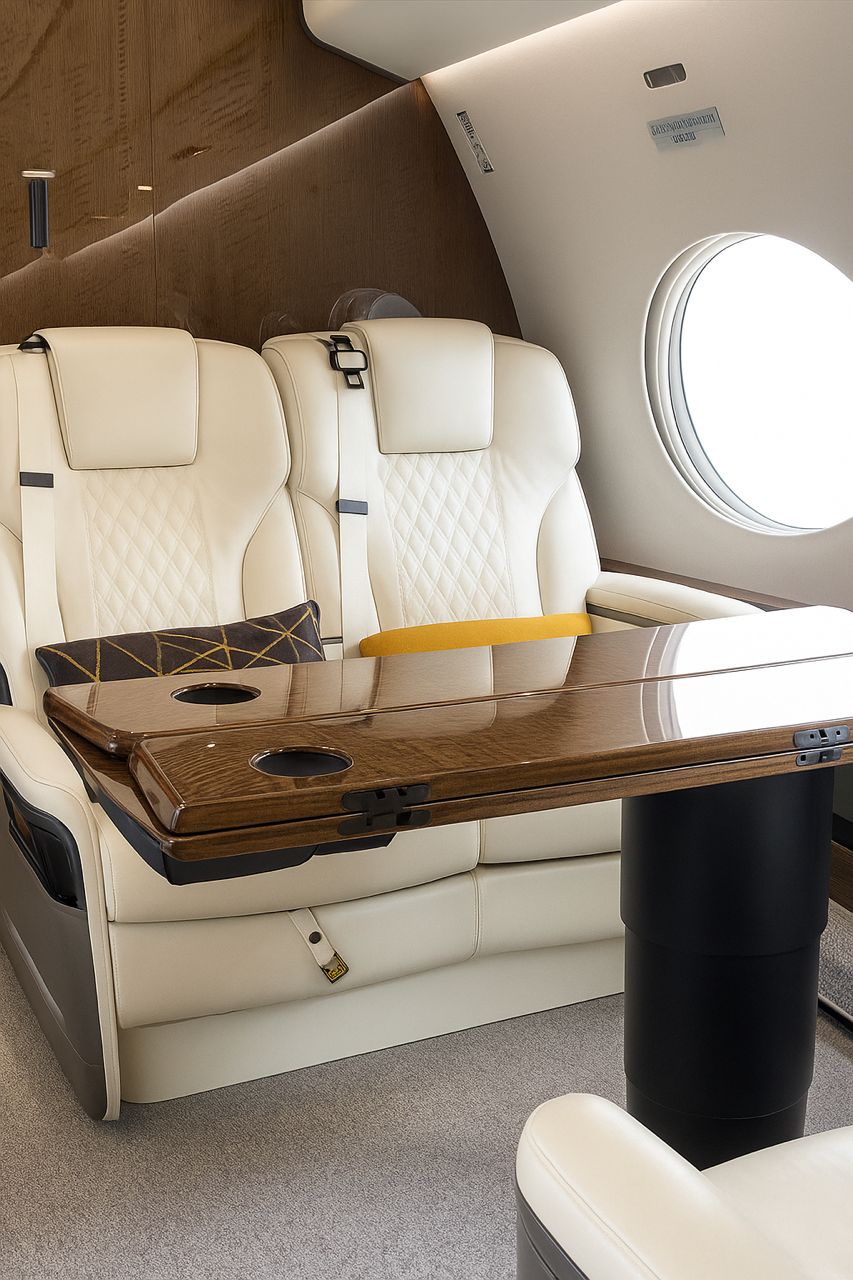
She knows what luxury looks like in soft leather and polished wood, what it means to anticipate unspoken preferences, and why safety — executed flawlessly — is the real foundation of her work.
In this edition of our Inside CareerBuddy series, we explore how she got here, what she’s learned, and how others can follow a similar path.
Science, Writing, and the Seed of Aviation
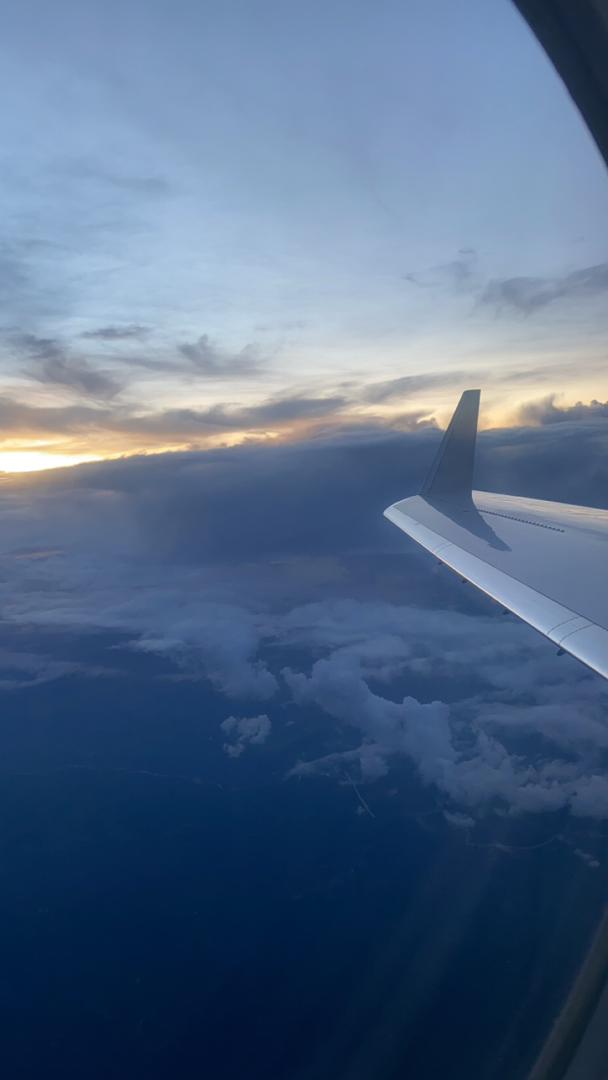
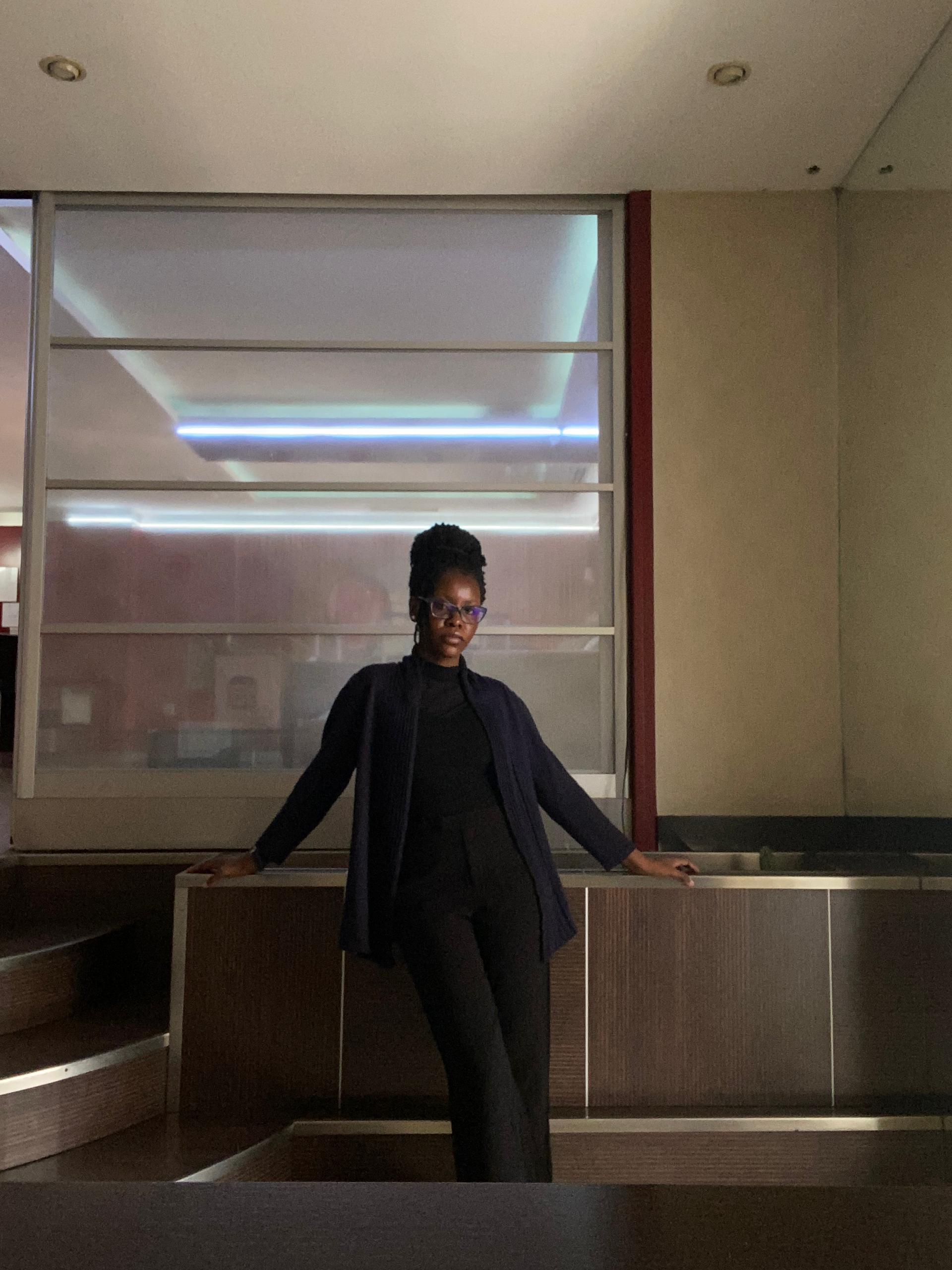
Chinatu holds a degree in microbiology and a diploma in French. “I still consider myself a microbiologist at heart,” she says. But early on in her career, she realized the conventional path filled with labs, long hours, and advanced degrees wasn’t what she wanted to begin with. She still intends to very much return , but what she wanted at the time was flexibility, travel, and creativity.
Her love for writing started in childhood through journals and essays. As a student, research projects honed her ability to dig deep and communicate clearly. After graduation, faced with limited career options in microbiology without a master’s degree, it was time for a pivot.
During her National Service year, she focused on financial independence. She picked up digital marketing, then moved into writing for finance and B2B SaaS. Aviation was always in the background; her family had ties to the industry, and she loved travel. When COVID-19 delayed her aviation training, she doubled down on writing until she could earn her cabin crew license..
“Although I had previous exposure to aviation, obtaining my license marked the official start of my flight attendant career,” she explains.
Today, she blends both worlds: delivering high-end, safety-focused service in the skies while writing to share what people often misunderstand about private aviation. She volunteers in health-related causes, uses her multi-lingual background (especially French) to connect with more clients, and even keeps the door open for a future Master’s in Public Health.
Training, Safety & A Day In The Life
Becoming a corporate flight attendant in Nigeria is about as serious as it gets. Chinatu recalls the process:

“You must undergo 6–8 weeks of cabin crew ab-initio training at an aviation training centre approved by the Nigerian Civil Aviation Authority. You learn emergency procedures, aviation medicine and first aid, firefighting, aircraft evacuation, survival, aviation security, dangerous goods, and much more. Before finishing, you also complete practical drills like ditching and firefighting.”
After training comes the NCAA license exam, which requires a 75% pass mark, plus an intensive medical exam. Licenses remain active only with yearly recurrent training and drills. Skip them for too long, and you must start over. “It’s a lot of work to stay on top of,” she admits.
Chinatu is rated on the HS-125 and EMB 135/145, but she mostly flies Gulfstream jets. She calls herself a “Gulfstream girl.”
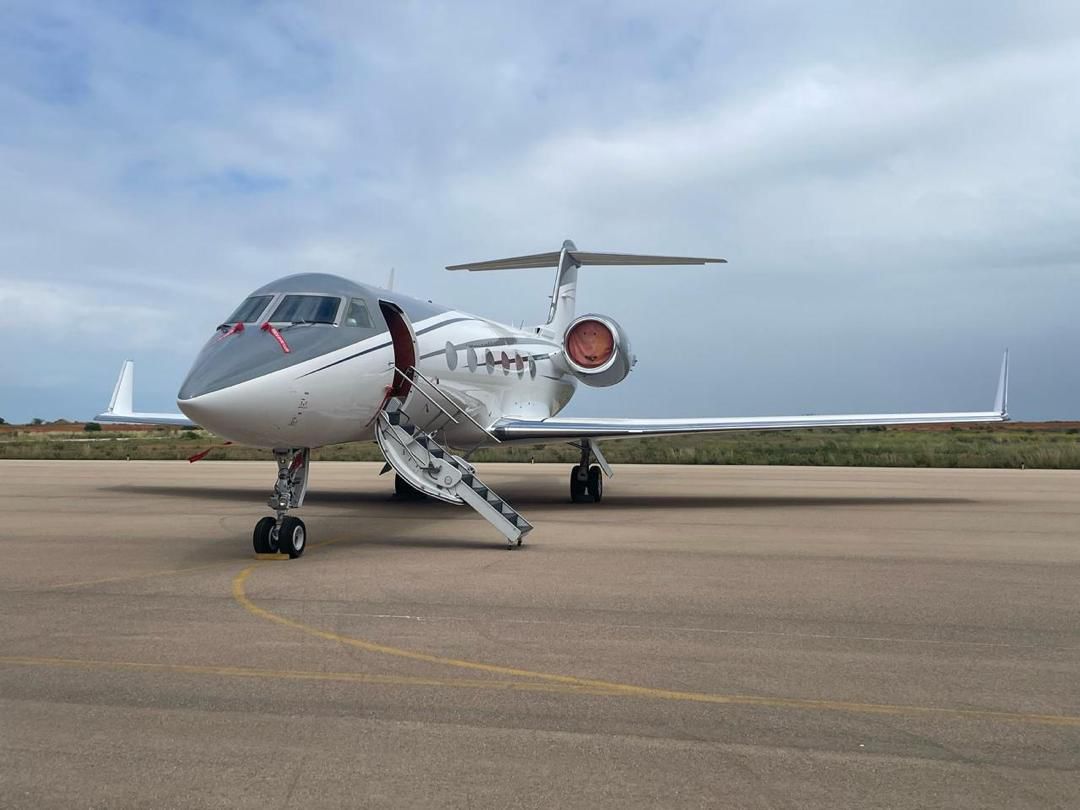
“The first time I came across a Gulfstream was at the G280 exhibition in Lagos in 2014. [I still have the flash drive from that day]. Later, every company I joined had a Gulfstream in its fleet. They’re the Rolls-Royce of the skies: sleek design, luxurious cabins, advanced safety features, performance, and comfort. That’s why I am drawn to them.”
She also admires the Embraer Legacy 650 and has her eye on the Bombardier Global Express 7500, though she’s had limited opportunities to fly it.
A typical flight begins the moment a notification comes in; sometimes days, sometimes hours before. She researches passenger backgrounds and preferences, checks destination weather and cultural norms, and arranges catering tailored to the trip.
On flight day, she arrives at least two hours early, checks emergency equipment, receives catering, and sets up the galley, cabin, and lavatory. She briefs passengers, updates the manifest, and serves meals while ensuring comfort and safety throughout the flight. Post-flight, she inspects the cabin for forgotten items (passengers often leave them), resets the aircraft, and coordinates with ground staff for cleaning and servicing.
Sometimes she handles multiple flights in one day. Other times, she waits on standby for the next notification. “We are always ready and on standby, as a flight notification can arrive anytime,” she says.
Misconceptions, Real-Talk & Storytelling
Over time, Chinatu noticed just how misunderstood private aviation (and the role of flight attendants) really is. “We don’t have enough information on these areas, and I have lost count of the people who reach out with genuine interest in my profession but no idea what it entails,” she explains.
That gap drove her into luxury travel writing. “If my posts can educate only one person or clarify misconceptions, that’s more than enough for me. If I want more people to have accurate information, then I guess I have to be the one to tell the stories. Who better to write about these things than someone who lives them?”
She writes with authority because she’s lived the details. “Writing about scenarios I’ve experienced means I spend less time second-guessing or fact-checking; I already know what happened,” she says. Lived experience becomes her differentiator.
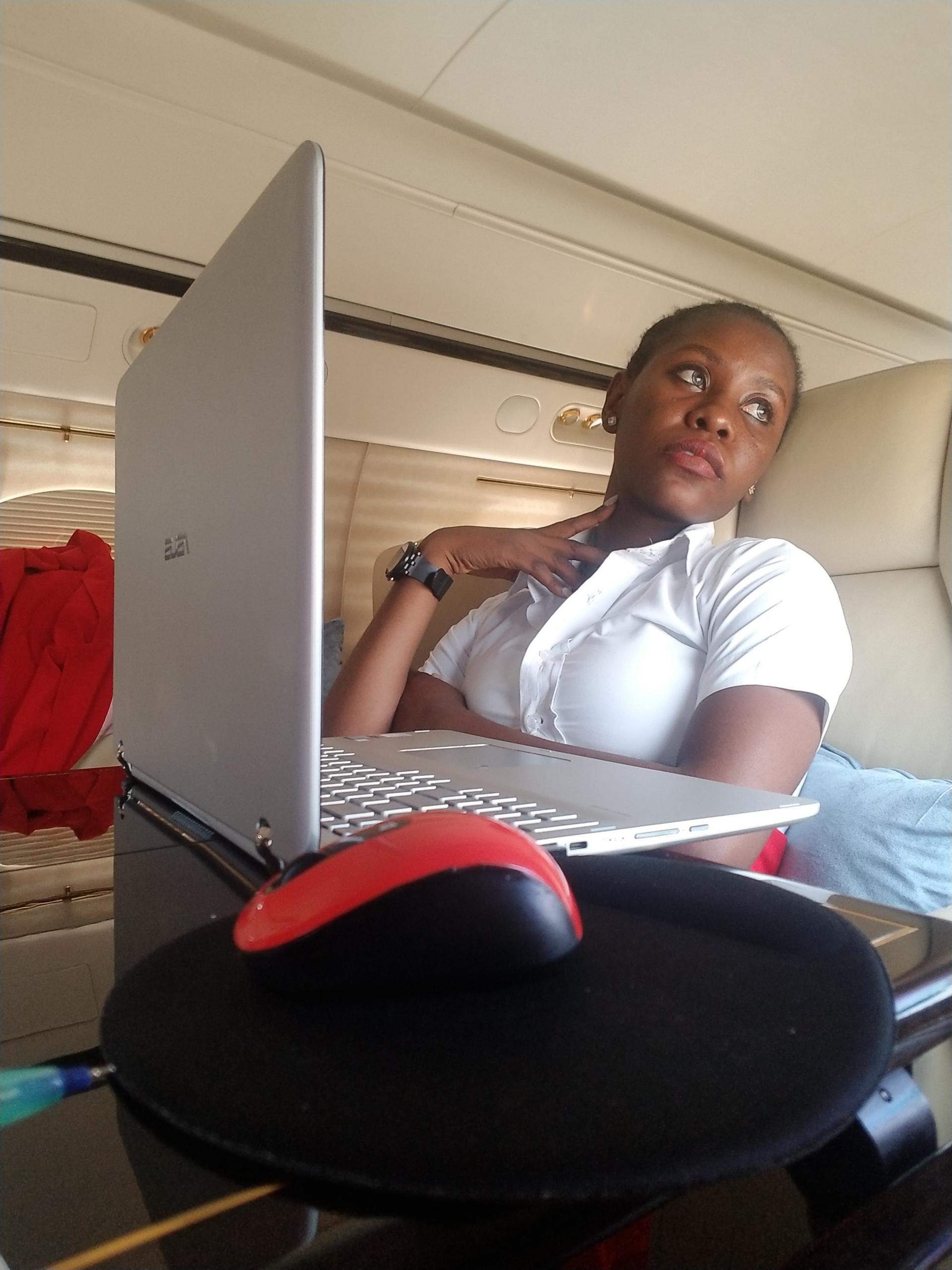
Her favourite angles? Behind-the-scenes perspectives, the emotional side of travel, subtle differences between commercial and private aviation, and how small details make the biggest impact. She also highlights other aviation professions and the unseen expertise that keeps private aviation running smoothly.