The Joker's Real Weapon Was Never the Bomb
Urgency is the oldest manipulation in the book. The people who understand this are the ones who make the decisions that matter.
There is a scene in The Dark Knight that has nothing to do with the superhero world Batman throws us into, per se, and everything to do with how power actually works.
In this scene, close to the third act of the film, The Joker's reign of terror has been long-enduring for Batman and the people of Gotham. Now, he has placed two bombs on two ferries — one carrying civilians, one carrying prisoners. Each ferry holds the detonator for the other's bomb. The deadline is midnight: blow up the other ferry, or he blows up both. The clock runs. People panic. Arguments break out on the civilian ferry. The guards pace on the prisoner one.

Then a large convict stands up. He takes the detonator from the guard. And he throws it out the window.
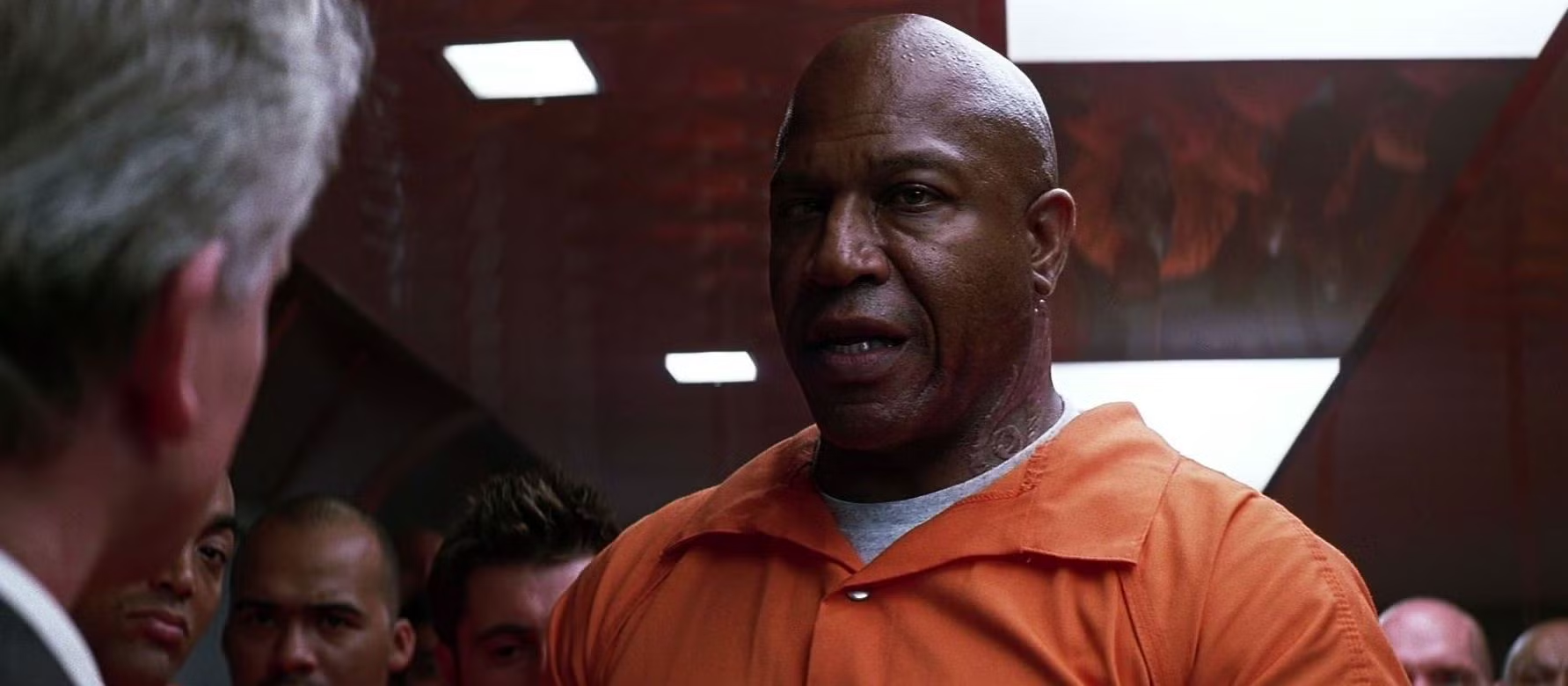
He has understood something that nobody else on either ferry has managed to grasp in time: the Joker's leverage is not the bombs. It is the panic the bombs create. Without the panic, the Joker is a man with a countdown and no real power over anyone. The moment someone refuses to be panicked, the entire architecture of the threat collapses.
This is what strategic patience actually looks like. Not slowness. Not passivity. A deliberate refusal to let someone else's urgency override your own judgment about what the moment requires.
• • •
Why Urgency Is So Often a Trap
Urgency works as a manipulation technique precisely because it is sometimes legitimate. There are genuine deadlines. There are real consequences to delay. The difficulty is that urgency rarely arrives with a label indicating whether it is real or manufactured, and in its absence, most people default to treating all urgency as real.
This is expensive. A decision made under artificial time pressure is one in which you have ceded the terms of your thinking to someone else. You are solving the problem they have framed, on the timetable they have set, with the options they have presented. The convict on the ferry is the only person in that scene who pauses long enough to ask whether the frame itself is the problem.
The manufactured urgency is everywhere in professional life. The client who needs a proposal by tomorrow morning. The manager who frames every request as immediately critical. The investor who gives you a 48-hour window on an offer. Some of these are real. Many are negotiating tactics; ways of reducing your thinking time so you make a decision that serves their interests before you have fully mapped your own. The first question to ask about any urgent deadline is: urgent to whom, and why now?
• • •
The General Who Waited Seven Days
Strategic patience has always been associated with military thinking, for the obvious reason that military decisions are consequential and visible, exposing bad judgment quickly. The history of warfare is full of commanders who moved too fast on incomplete information and commanders who moved too slowly and lost the moment. The interesting cases are the ones that held long enough to understand the terrain before committing.
The pattern, across those cases, is consistent. The patient commander is not waiting out of fear or uncertainty. They are waiting because they have not yet seen the specific information that will make the right move obvious. They are clear on what they are waiting for. The advisors who call them slow or cowardly are operating on a different timeline; one driven by anxiety and the discomfort of holding a position without acting, rather than by any superior reading of the situation.
The moment the information appears, the patient commander moves, immediately and decisively. Patience and decisiveness are not opposites. The first is how you earn the conditions for the second to be worth something.
• • •
What This Looks Like in Practice
In a professional context, strategic patience is less dramatic and more daily than the battlefield examples suggest. It looks like the person in a negotiation who does not fill every silence. Who does not counter the first offer before they have understood the full picture of what the other side needs? Who, when asked to make a call with insufficient information, asks what would need to be true for the right answer to be obvious and then finds out whether that thing is true.
It looks like the founder, who is told by a potential investor that the term sheet expires on Friday, and who, instead of signing immediately or panicking and walking away, calmly asks what is driving that timeline and whether it is flexible. It often is. The urgency was a test of how you perform under pressure, not an actual constraint.
It looks like the manager who, when their team comes to them in crisis mode about a problem that feels enormous at 11am, slows the conversation down. Asks what is actually known. Asks what the real deadline is, not the deadline that anxiety has invented. Often, the problem that felt like it required an immediate decision requires a good decision, which is different and usually takes a few more hours.
• • •
The Trap Nobody Talks About
The harder version of this is when the urgency is real, but the decision it is pushing you toward is still wrong. This is where most frameworks for strategic patience break down, because they are designed for manufactured urgency. Real urgency is harder to resist.
The answer here is not to pretend the deadline does not exist. It is to separate the deadline from the decision. A genuine deadline constrains when you must act. It does not constrain what the right action is. Working backward from "I have until Friday" to "therefore I must do X" skips a step; the one where you figure out what the smartest thing to do by Friday actually is. Speed without that step is not decisiveness. It is chaos that happens to have a timestamp.
The convict on the ferry had a deadline. Midnight was a real variable. What he understood, which no one else on either boat managed to grasp in time, was that the deadline did not determine the action. He chose the action. He threw the detonator into the river at his own pace, on his own terms, rendering the deadline irrelevant.
That is the whole lesson. Not to be slow. To be the one who decides what the moment actually requires, rather than accepting someone else's version of it.