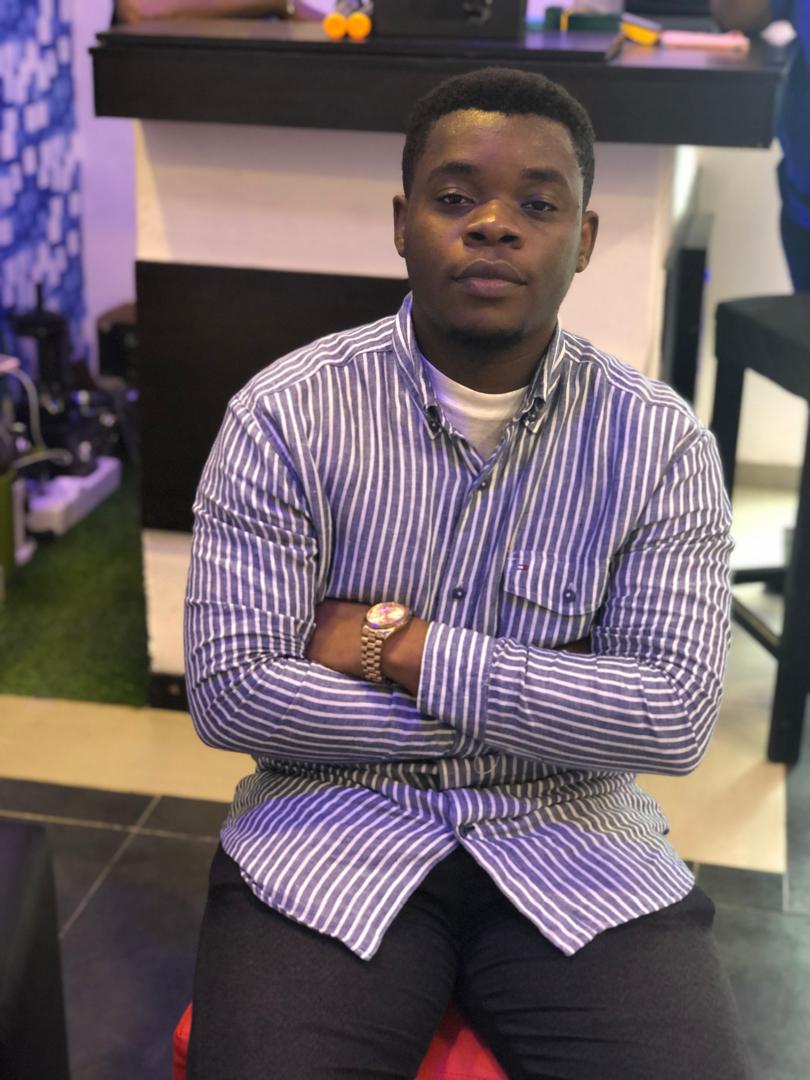
In African esports, growth isn’t just about bigger numbers; it’s about stronger communities. Few leaders embody that balance better than Oluwasaanufunmi “Shanz” Ajayi, a Growth Marketing Specialist and Community Manager who has helped global publishers thrive in Africa while elevating grassroots players to the main stage.
Shanz’s track record spans 5 countries, with standout results for Activision and EA, including 13M+ impressions across campaigns, cost-per-acquisition below $2, and a 121% ROAS in 7 days. But for him, metrics are only half the story.
“One of the things that sets me apart is that I know that behind every metric is a human,” he says. “My superpower is blending empathy with strategy to reach these humans by creating digital and real-life experiences that turn them into loyalists and the brands into communities.”
In this Inside CareerBuddy interview, Shanz talks about stumbling into growth marketing, the people-first systems behind scaling a university community to 18,000+, and why the Carry1st Africa Cup 2025 is a milestone for African esports, especially for Call of Duty: Mobile (CODM). He also shares practical advice for marketers, community builders, brands, and creators who want to contribute to—and benefit from—the continent’s rapidly growing gaming ecosystem.
On entering growth marketing and community management—especially in gaming
Tell us about your path. How did you get into growth marketing and community management in the gaming space?
Shanz: “I think growth marketing was one of those things I stumbled into. I started out as a social media manager, and along the way, I sort of morphed into a community manager, which I still am today. With growth marketing, it’s just been a willingness to step in and take on different roles when needed.
It wasn't really a clear-cut path I chose; it was more something I happened upon while carrying out various responsibilities for the team."
On the campaign he's most proud of (and the toughest challenge)
Among the campaigns you’ve led for brands like EA and Activision, which one stands out, and why?
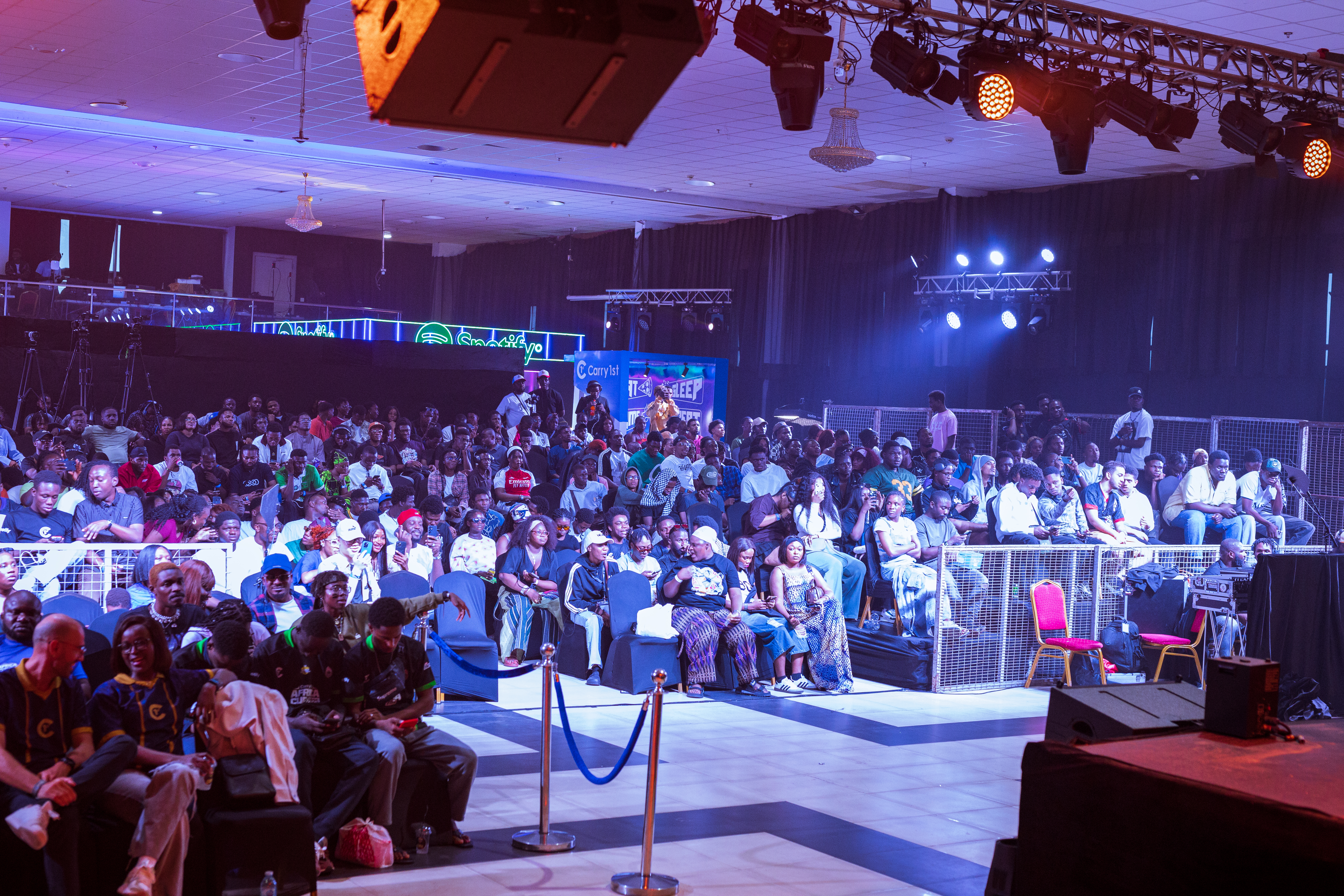
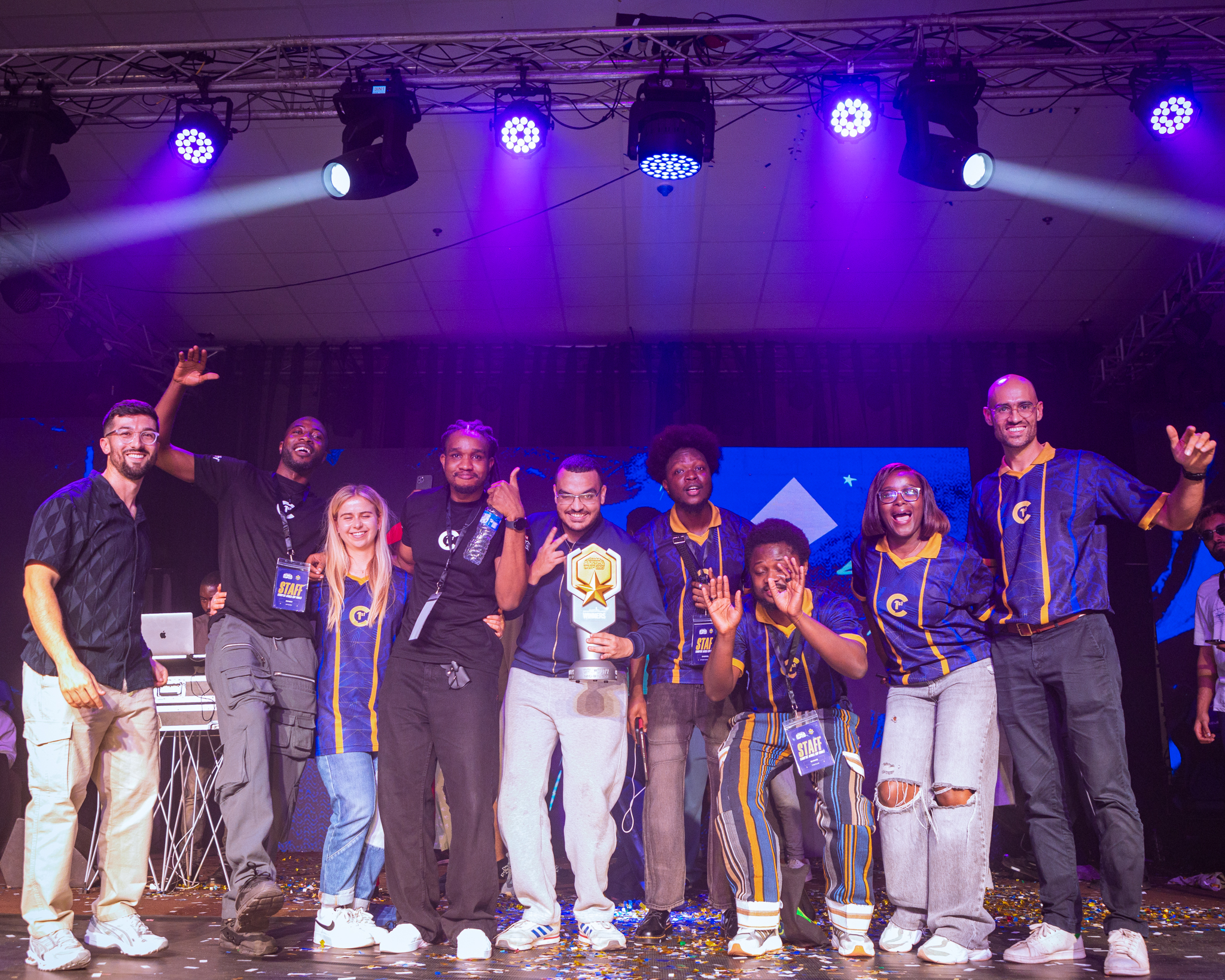
Shanz: “The campaign I’m most proud of is the most recent Carry1st Africa Cup 2025, where I led operations. It stands out for me because it was the most impactful gaming event the country has seen for FPS titles, and it made a big mark on African esports as a whole.”
“The biggest challenge for me was working with people because it’s never easy. We overcame that by prioritizing communication and accepting the fact that not everything will go as planned. Instead of dwelling on what we couldn’t control, we focused on what could go right.”

From the community and growth perspectives, what was special about this year’s Cup?
Shanz: “As a community manager, what stood out to me was just how much the CODM community in Africa has grown. We had a great turnout, but more importantly, the audience was highly engaged, both on-site and online. It was a real testament to how fast-growing the community is.
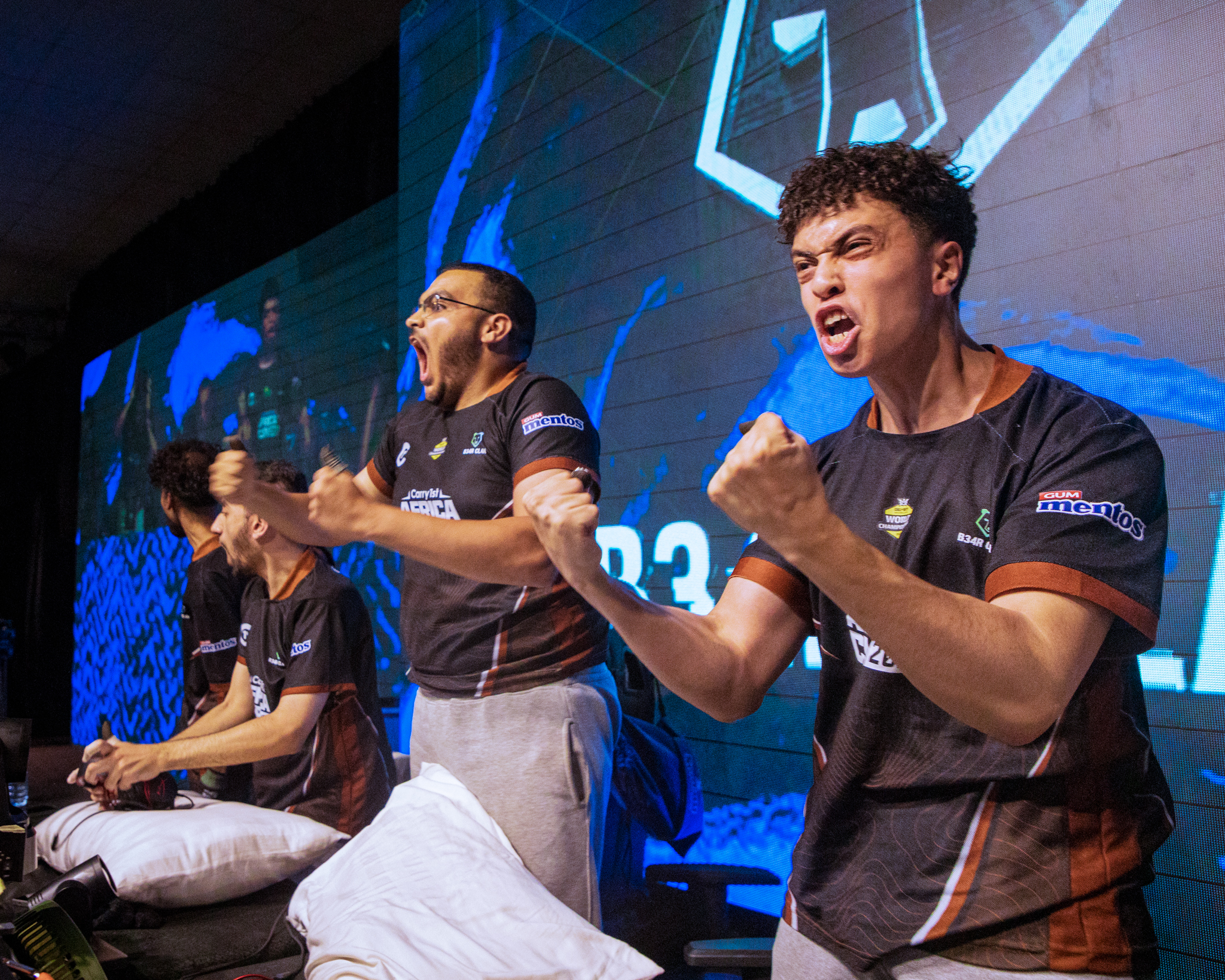
The final weekend alone drew over 150,000 views on streaming platforms, which is significant for a free-to-view event. Beyond the audience growth, it was also powerful to see the players themselves feeling more recognized and visible. There’s now more conversation around African players being acknowledged on a larger stage, and that’s a milestone for both the community and the growth of esports in the region.”
What does Call of Duty: Mobile World Championship qualification mean for African esports?
Shanz: “I think the biggest impact is the belief and experience it gives the players. If you’re a gamer, you now know that it is possible to get on the global stage and even earn some income from the game.”
On scaling a university community from zero to 18,000+
You’ve scaled university communities to 18,000+ students. What made that work at scale?
Shanz: “The ultimate strategy/secret sauce was finding the right people to serve as community moderators. When we scaled to 18,000 students, we split them into about 50 groups. There was no way I could personally drive engagement at that scale, so the key was identifying 30–40 strong moderators, staying in touch with them weekly, and equipping them with templates for activities, training, and support.
I also ensured they had a listening ear and genuine opportunities within the community. The combination of empowering the right people and applying strong people management skills allowed us to maintain both engagement and retention, even as the community grew quickly.”
On balancing metrics with human connection
You often say, “behind every metric is a human.” How does that shape your approach?
Shanz: “I once watched a video of a football manager being asked how he balances stats with player performance on the pitch. His response was that he looks at the stats, but also at what’s happening with his players, and uses both to get the full picture. That’s very similar to how I approach community management. I look at the metrics, like what percentage of the community is actively engaged, but I also ensure there are sufficient human touchpoints to maintain a personal connection. For example, whenever a community hits a new threshold, I recruit and train more moderators so members always have someone to connect with. When it comes to community experiences, the key is to ask people what they want, and give them that. With the right moderators and open lines of communication, it becomes much easier to do this.”
On the biggest challenges; and how the talent pipeline is improving
What are the current hurdles to esports and mobile gaming growth in Africa?
Shanz: “It’s really a combination of factors. Infrastructure, internet, and servers remain the biggest challenges. Funding is another hurdle, though it’s improving; we’re seeing more sponsors come on board, which is encouraging. On the training front, there’s been significant progress. For example, we now have initiatives like the Gamr Lab, which supports people interested in entering the gaming space. Carry1st also recently launched the Carry1st Growth Tribe, a program designed for those looking to build a career in gaming.
“Dominion from Carry1st even partnered with Udemy to create a gaming development academy, giving 50 people early access through pilot testing. So, while infrastructure and funding still need work, I think we’re making real advancements in training and talent development, and that’s going to shape the future of African esports and mobile gaming positively.”
On the most urgent problems to solve; and real paths forward
Which challenges are most urgent, and how can the ecosystem address them?
Shanz: “I think the most urgent challenges to solve are infrastructure and funding. One way forward is the kind of work Carry1st has been doing; convincing publishers to launch servers in Africa and optimize gameplay for local gamers. Collaboration is also key. The Nigerian ecosystem is still relatively small, and while everyone knows each other, we don’t always collaborate enough. Presenting a united front when speaking to gaming companies makes our case stronger, especially when we can show real numbers behind the community. Finally, creative partnerships with telecoms and ISPs could make a big difference. Gamers already note that MTN provides a better experience, so building on those conversations with providers could lead to more consistent, gamer-friendly connections.”