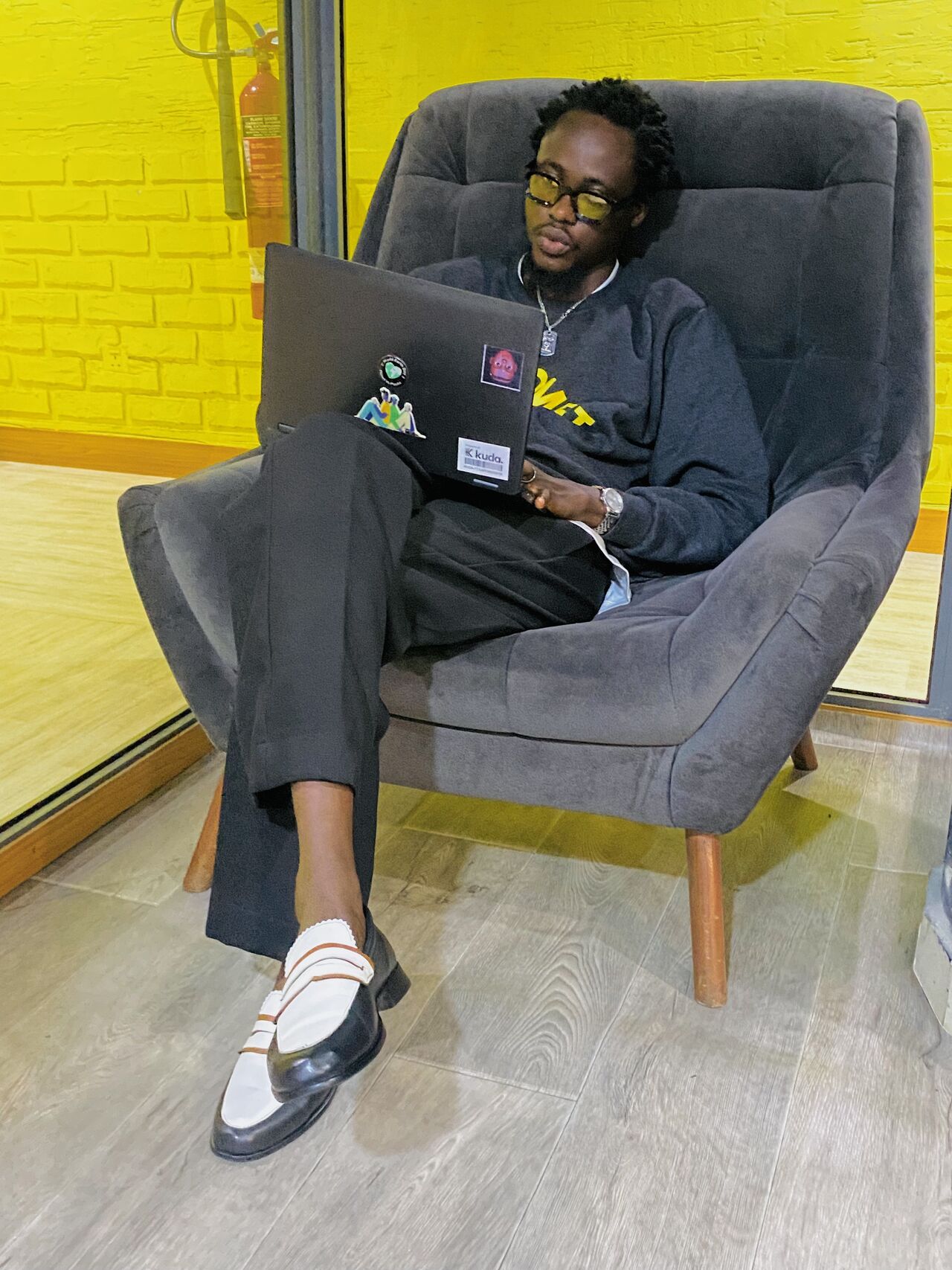
When Adedoyin 'Odus' Odufarasin proposed a plan to start a company football team at Kuda Bank, management was skeptical. It sounded fun, sure, but could it actually improve how people worked together? What did this have to do with long-term success for one of Africa’s most prominent microfinance banks and fintech companies?
After months of hashing out approvals, budgets, and logistics, the day finally arrived. In May 2025, Kuda employees cheered wildly from the sidelines as their new team stepped onto the field to face Sterling Bank. By the end of the match (win or lose), something had shifted inside the company. Employees from different departments who rarely even spoke before were now laughing, bonding, and genuinely proud to wear the same jersey. And thus, from the simple concept of football, a brand-new sense of community was born.
This is exactly the kind of moment Adedoyin, Senior HR & Engagement Lead at Kuda Bank, believes real HR is all about: turning human connection into measurable business outcomes. In this Inside CareerBuddy feature, we sat down with him to talk openly about his career journey, his biggest HR projects, and how strategic people engagement can make businesses better, faster, and stronger.
Always a People Person: Choosing HR
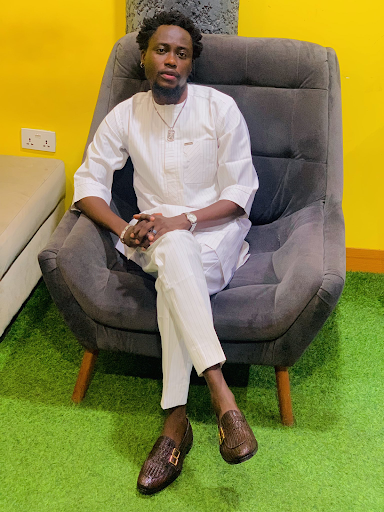
Some people stumble into HR, but not Adedoyin. He picked it deliberately when he studied at the University of Lagos. Why? Because he wanted a career balancing people’s happiness with business success. As he puts it clearly,
“HR has always been my path. I liked the balance; helping people thrive and helping businesses succeed.”
Starting out in recruitment and employee relations, he sharpened his understanding of how workplace culture impacts results. Soon, employee engagement grabbed his full attention. For him, engagement wasn't a fluff activity to keep things looking busy. Instead, it was the whole nine yards of strategy itself. He realized quickly that engaged employees don’t just smile more; they perform better and stay longer.
The Power of Small Initiatives Done Well
At Kuda Bank, Adedoyin took engagement to the next level. Since he’s joined, he has launched several culture-shaping projects. Initiatives like Tribe Spotlight, My Kuda Story, fitness challenges, and themed celebrations (Employee Appreciation Day, World Earth Day) quickly boosted morale, connection, and productivity.
But these aren’t just fun activities. Adedoyin designs each initiative strategically, ensuring they align directly with business goals.
“[Engagement isn’t just about activities] It’s a deliberate tool for driving performance, retention, and organizational success.”
The football team, Adedoyin explains, is a perfect example of this strategic approach.
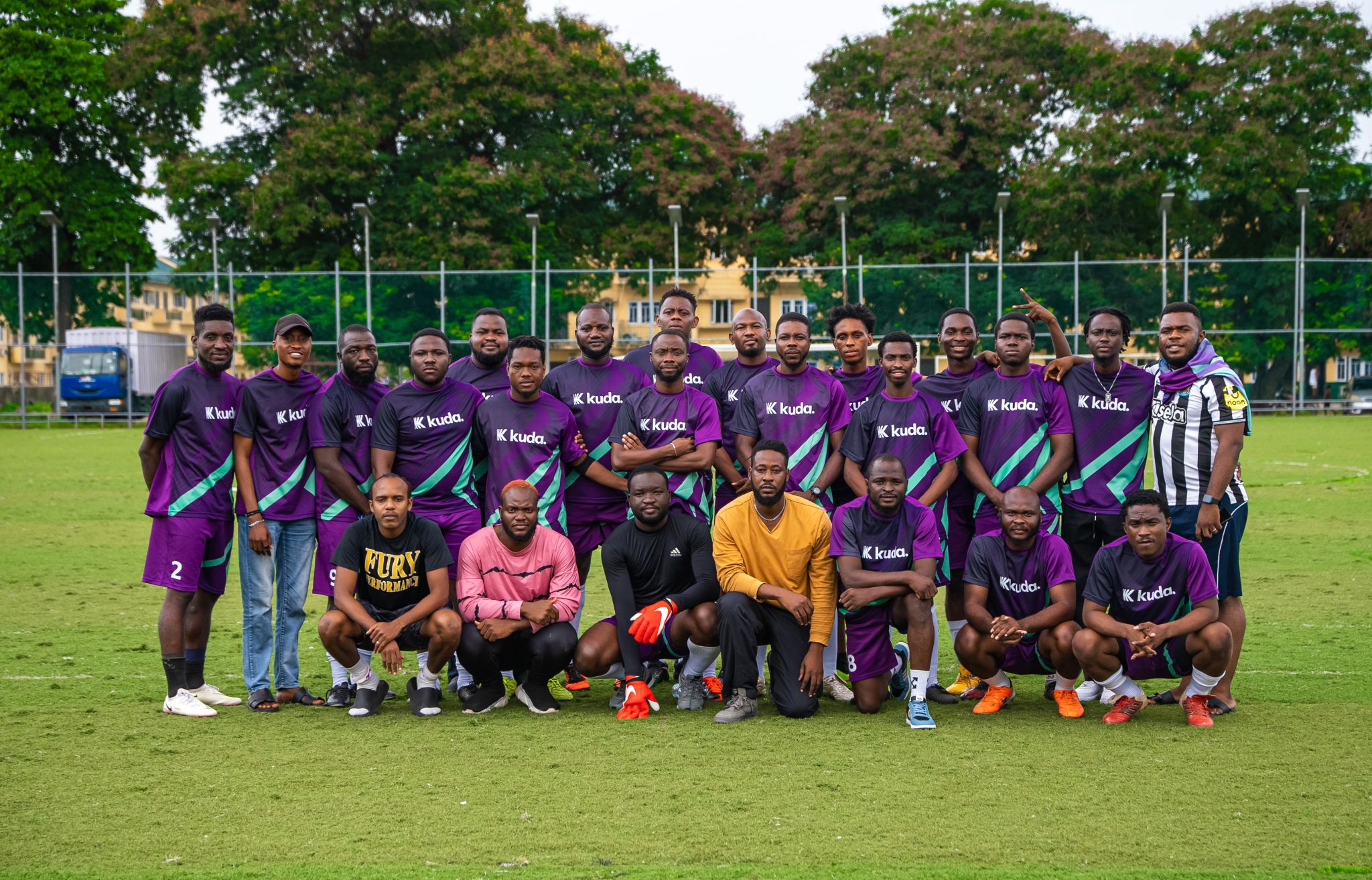
"You might look at it as just football," he explains, “but there’s more to it. It was about building bridges between people who usually work separately. We created new ways for people from different teams to connect, bond, and have fun. Suddenly, you had engineers, customer support reps, and finance teams working toward a common goal.”
What surprised Adedoyin most wasn’t just how successful it was, but how it pulled in staff who traditionally avoided social events altogether.
Aligning Culture with Results
“Culture transformation” sounds like an abstract concept, but for Adedoyin, it means practical action. At Kuda, it’s about creating environments where employees feel empowered, motivated, and aligned with shared goals. Every program he leads, from employee appreciation events to wellness initiatives, is designed with intention, aiming to shift mindsets and foster ownership.
To him, delivering business results through people involves deep collaboration. Adedoyin partners with department heads, listens carefully to feedback, and translates employee insights into tangible actions. For instance, when staff surveys indicated stress, he advocated for initiatives like mental health days and wellness challenges, directly addressing issues while supporting productivity.
Navigating the Biggest Challenge in HR
While it may seem he thrives in his role, Adedoyin openly admits HR isn't always easy. One challenge stands out as his biggest: balancing employee advocacy with business demands. Early in his career, he felt like HR was caught in the middle. “Management wants productivity and cost control. Employees naturally want rewards and recognition. HR sits right in the middle, and it can easily become the middle ground nobody appreciates.”