Rituals aren’t just for church, weddings, or Saturday football matches – they can be the secret sauce that makes work life feel meaningful.
Picture a team that kicks off every morning with a quick check-in where each person shares one thing they’re grateful for. Or an office that rings a small bell when closing a big deal, prompting a round of applause. These might seem like little things, but they carry outsized impact. In high-pressure modern workplaces (whether it’s a tech startup or a multinational bank), rituals can ground us, bring us together, and even spark a bit of joy amidst the grind. Far from being touchy-feely fluff, intentional rituals can support mental health, strengthen connections, and remind us why we do what we do.
“Ritual is a way of making invisible things visible,” says Casper ter Kuile, an author who studies modern rituals. “I mean feelings like gratitude, hope and awe. It’s about embodying them — attaching a feeling to a practice.” In other words, a ritual takes an abstract value or emotion (like we appreciate each other or we aspire to great things) and expresses it in a concrete action. Ter Kuile notes that rituals often do three key things: tell a story, help with transitions, and change us in some way. Think of a common workplace ritual such as the Monday morning meeting. When done right, it tells a story (e.g. “Here’s our mission and what we’re aiming for this week,” implicitly connecting everyone to the company’s bigger narrative). It helps with a transition (“the weekend is over, let’s get into work mode together”).
And it changes us by interrupting our autopilot – instead of just diving into emails, we collectively pause to focus, which can shift our mindset from scattered to purposeful.
Small Rituals, Big Impact on Well-Being
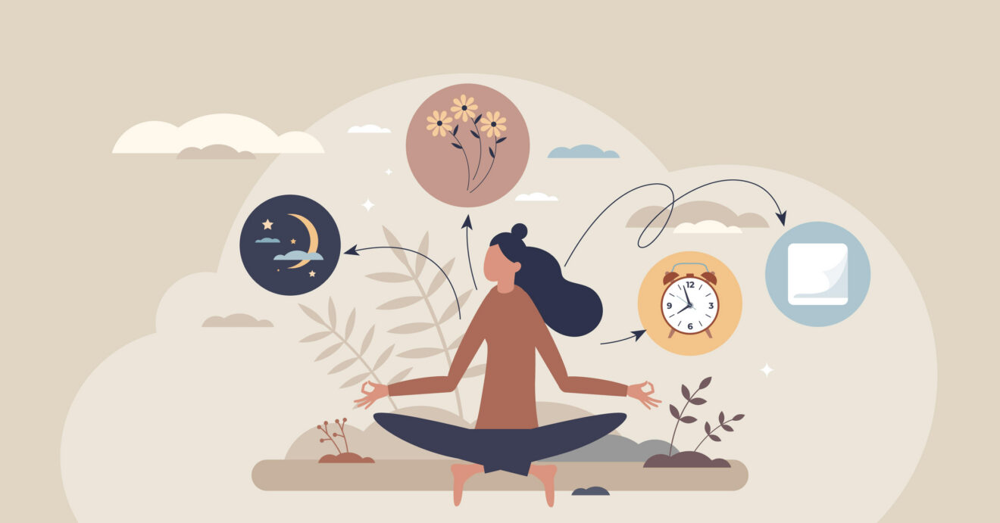
Science backs up that rituals aren’t just quaint traditions; they have real effects on our minds and bodies. Ter Kuile points out that participating in group activities – even as simple as singing a song together or doing a team stretch – can lower cortisol (the stress hormone) and build positive vibes. For example, some African companies have a tradition of a Friday team chant or a prayer before a big project kicks off. It might be 5 minutes of everyone clapping, laughing, or sharing an inspiring quote. To an outsider, it’s just a quirky habit; to the team, it’s a energizing ritual that signals we’re in this together. These moments of collective pause give people a sense of belonging – you’re not just a cog in a machine, you’re a valued member of a community that acknowledges each other’s presence.
Rituals also inject a sense of awe and meaning into ordinary days. A friend once told me about her company’s end-of-week ritual: every Friday at 4 PM, no matter how hectic things were, the whole office would stop work, gather around, and one person would tell a short story – something personal, a lesson learned, or even a folk tale. Then they’d all toast to the week’s accomplishments. It’s such a simple structure, but it gave everyone something to look forward to (joy), helped mark the transition into weekend (a collective deep breath out), and made people feel seen and appreciated (connection). Come Monday, they’d return recharged, remembering that work is more than just deadlines – it’s also shared human experience.
Crafting Your Own Work Rituals
If your workplace doesn’t have rituals yet, don’t worry – you can create them. Ter Kuile suggests starting by thinking about what invisible value or feeling you want to bring out. Is it gratitude? Team unity? A sense of progress? Once you know that, brainstorm a simple practice to symbolize it. Here are a few ideas that have worked in various offices (including remote teams):
Morning Roundtable: Begin the day or week with each team member answering a light prompt. It could be work-related (“What’s one goal for today?”) or personal (“Share one good thing from your weekend”). This ritual gives everyone a voice early and sets a communal tone instead of siloed grind. It’s especially great for remote teams on video calls – seeing everyone’s face and hearing their voice at least once a day builds connection.
Gratitude or Kudos Board: Dedicate a wall (physical or a channel on Slack/Teams) where people regularly post shout-outs. Maybe every Thursday, everyone posts one appreciation for a colleague. This ritual encourages folks to notice the good in others. Over time it creates a culture of positivity and recognition. In many cultures, verbal praise isn’t always common in workplaces (some follow a “you’re just doing your job” mentality), so having a ritualized way to say “thank you, I see you” can be revolutionary for morale.
Communal Breaks or Meals: There’s something powerful about breaking bread together. If possible, institute a team lunch once a week or a 15-minute tea break at 11 AM where everyone steps away from work for casual chat. An example is the team that had “fruity Fridays” – every Friday mid-morning they’d share fresh fruit and just talk about non-work stuff. It became a cherished ritual that bonded the team (and probably boosted their vitamin intake!). For remote teams, a virtual coffee break where people join a call just to chit-chat can mimic this.
End-of-Week Reflection: Closing rituals help mark an ending – crucial for our brains to wind down. One technique is the Friday Wins session: each person shares one win and one challenge from the week. Or fill out a short team survey: “What went well? What are we improving? Who helped you this week?” Then share highlights in a wrap-up email or quick meeting. It gives a sense of accomplishment and closure. Some companies combine this with a little TGIF celebration – happy hours used to be a staple of 9-5 life, and they still can be!
Infusing Ritual into Routine Tasks
Not every ritual has to be a new meeting or event – you can turn existing activities into more meaningful rituals by adding intention. For instance, instead of a dull project post-mortem, reframe it as a “Lessons Ritual”: start the meeting by everyone lighting a (figurative) candle of what they learned, or have each person first say one thing they appreciated about the project team. It sets a reflective, respectful tone. If your team is about to start a big project, have a brief kickoff ritual – maybe a round of predictions or a symbolic gesture like everyone writing a word of hope on a shared document. These little additions don’t take much time, but they elevate the experience from just another meeting to something memorable.
Further research emphasizes that rituals don’t have to be ancient or religious to work. You can be totally creative and tailor them to your team’s personality. The key is consistency and genuine intent. A ritual gains power as it is repeated and people invest in it. At the same time, be open to reinventing rituals if they grow stale or the team changes; ritual is a living thing. If a daily stand-up no longer energizes people, tweak it or try a new approach (maybe switch to a weekly stand-up with a fun twist).
Why Rituals Matter More Than Ever
In today’s world of hybrid work and digital overload, many workers feel disconnected – from colleagues, from the company’s purpose, even from their own sense of self at work. Rituals act like an antidote to that fragmentation. They create moments of awe, where we remember we’re part of something bigger than ourselves.
It could be as simple as standing in a circle for two minutes of silence to collect thoughts – you’d be surprised how even that can stir a feeling of unity and calm. Rituals also help us navigate transitions: the commute used to be a natural transition from home to work; now a ritual like a morning team video hello or a personal “start work” routine (e.g. dressing up even if at home, or playing a pump-up song) can serve a similar purpose. And importantly, rituals build connection: sharing a ritual means sharing an experience, and shared experiences build trust and camaraderie.
One could argue that African workplaces have an advantage here, as many African cultures already value communal activities and ceremony. From opening prayers, to group songs, to the concept of “Ubuntu” (I am because we are), there’s a rich tradition to draw on. A savvy manager might incorporate a bit of that flavor – maybe start meetings with a proverb or a call-and-response greeting. As long as it’s authentic and inclusive, it can really set a warm, human tone.
Making Rituals Your Own
Ready to experiment? Start small and keep it genuine. If you’re a team leader, you might announce: “Hey everyone, I’d like to start a little end-of-day ritual. Let’s try sharing one highlight at 5 PM before we log off, just to celebrate daily progress.”
Or if you’re not the boss, you can introduce a personal ritual and invite colleagues to join – maybe you do a two-minute desk yoga stretch at 3 PM and eventually a few coworkers join in. Consistency is what turns a random act into a ritual. Do it at the same time or context, and pretty soon people will anticipate it (“It’s Tuesday, time for our learning lunch!”).
At the end of the day, rituals remind us that work is not just tasks and targets – it’s a part of life, and life is meant to be lived and felt. Bringing a bit of ceremony, whether solemn or fun, can transform an office from a collection of employees to a community. So light that metaphorical candle, ring that bell, share that weekly meme; whatever ritual speaks to your team. In the process, you’ll likely find more focus, belonging, and purpose lighting up your work life.