    Inside with CareerBuddy: Hamed Onatuga on What It Really Takes to Run Real Estate

    What does it actually take to run real estate? Facility manager Hamed Onatuga shares his career journey, real-life lessons, and the tech that’s changing how teams work; only on Inside CareerBuddy.

    Inside with CareerBuddy: Hamed Onatuga on What It Really Takes to Run Real Estate
    Illustration · CareerBuddy

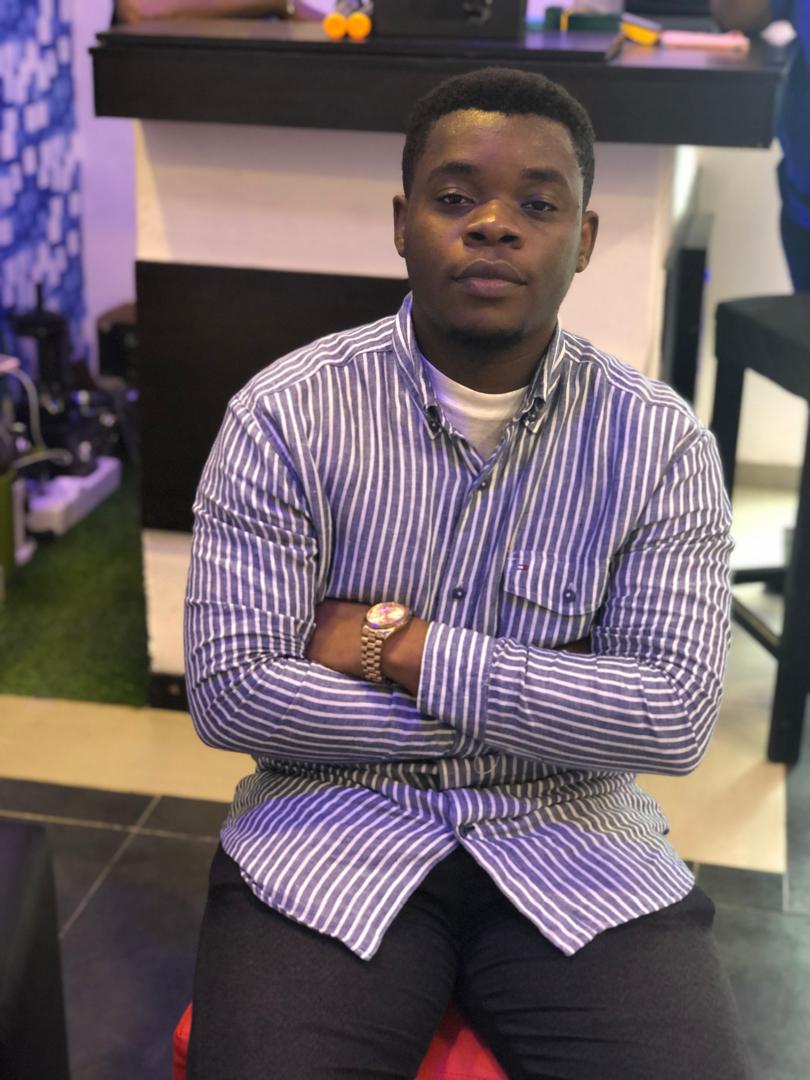
    When you think about real estate, what comes to mind? Fancy buildings, big deals, maybe the thrill of selling or buying property. But behind every well-run building is someone like Hamed Onatuga, Head of Department, Facility Management at Azid Properties Ltd. He’s the guy who keeps the lights on, the elevators working, and the tenants happy; all while leading a team and juggling a million small fires before breakfast.

    Hamed Onatuga’s path through the real estate sector has been anything but routine. He’s got strong views on what makes a good leader, why curiosity matters, and how predictive tech is changing the game. Inside CareerBuddy sat down with Hamed to talk shop. Here’s the lowdown:

    So, Hamed. Let’s go way back. What was your first role in facility management? How did you even end up in facility management?

    Hamed: Honestly, it started kind of randomly. My first role was at Square Meters, and I’d just finished school and was thrown into managing a mall. It wasn’t even fully occupied, but I still had to oversee all the facilities and the artisans on site. So yeah, young graduate, first time managing people: and I was their direct point of contact.

    I imagine being young and managing older workers came with some challenges.

    Hamed: It was rough. A lot of the artisans would look down on me because of my age. I had to figure out how to balance firmness with respect. Sometimes you have to shout. Sometimes you have to listen. Getting that balance right; that’s what makes a good leader. That balance has shaped the way I lead teams even now.

    Was there a moment where you realized, “okay, I’ve figured this out?”

    Hamed:  There wasn’t one big moment, but more like small wins. The first time a team actually listened without pushing back. The first time a problem was solved smoothly. It builds over time. But I’ll say this: leadership gets easier when people see you’re not just giving orders, you’re doing the work too.

    When people started coming to me for help or asking me how I’d solve a problem, I knew I was getting somewhere.

    And now that you’re at your most current appointment, Azid Group, what’s been the biggest shift in how you approach your work?

    Hamed: Technology. We’ve moved to CAFM software (Computer-Aided Facility Management) that handles work orders, asset tracking, space management; all of it. It sounds simple, but switching from paper-based systems to software changed how we operate. Before this, we were logging things on paper. But with the software, you can track who’s everything; even how much space a tenant is using. It just makes life easier.

    And it’s not just about the speed of things, too. There’s a lot more accountability now. You know what’s been done, what’s pending, and you’re not relying on memory or WhatsApp messages to keep things moving.

    That sounds amazing! Now, let’s talk impact. Have you worked on any projects where you could actually see the results? Also, there’s so much talk about climate change; so anything around sustainability as well?

    Hamed: Yes actually. We were renovating a property and needed to cut down on energy use. I suggested we use motion-sensor lights in low-traffic areas, like stairwells or certain hallways. That way the lights only come on when someone’s there. 

    That sounds like a pretty simple idea, but very smart.

    Hamed: Exactly. And it worked. We noticed at least a 20% drop in energy consumption. And it made tenants happy too, because they saw we were doing something thoughtful with how we managed power. I think people appreciate those small improvements, even if they don’t say it out loud. I mean, anyone would love you if you reduced their bills LOL.

    It also answers your question on the sustainability part, because with less power consumption, we’re burning fewer resources and lowering greenhouse gas emissions. It’s a whole thing actually.

    Fantastic. Saving the world while you’re at the daily grind. What about post-COVID, with the hybrid work shift system nowadays. Did that change your approach to things?

    Hamed: A bit. I managed a few short-let properties where people needed flexibility. So we added self check-in and check-out systems. This way there was no need for keys or in-person handovers. Guests could arrive anytime without needing me or a staff member to let them in. It gave us more freedom, and guests could arrive any time without needing help.

    That must’ve saved you a few weekends.

    Hamed: More than a few, honestly. But it also made the process smoother overall. People want convenience now. You’ve got to meet them halfway.

    Let’s talk people. What do you look for when hiring technicians or facility managers? What’s it like building your team?

    Hamed: To be honest, it’s less about degrees and more about people skills. I need people who are hands-on and polite; people who can talk to a tenant and not create conflict. Most of the guys (the technical staff) might not have formal education, but if they can communicate clearly and do the work, that’s what matters.

    Does that mean you handle everything in-house?

    Hamed: For core maintenance, yes. But for cleaning and security, I prefer working with agencies. That way if there’s a breach or an issue, I can hold the agency accountable. It takes that weight off my shoulders a bit.

    Sounds like solid backup. But speaking of when things go wrong, can you talk about a time things went wrong? And what you learned?

    Hamed: Hahaha. It’s silly now but one time, back when I still worked as a Facility Manager at Rydal Mews, one of my plumbers was caught letting people outside the estate fetch water from inside. It wasn’t a huge issue at the moment, but it led to his termination and almost got me suspended (I barely escaped with a serious warning). The crazy part about it was that I wasn’t even on site when it happened. [But hey, I was in charge, so..]

    Wow. That must have been scary.

    Hamed: You bet your bottom dollar it was. Still, it made me realize: if someone on your team messes up, it’s on you. Since then, I always remind my team: if I go down, we all go down. If I mess up, it affects them. If they mess up, it affects me. We all have to carry that responsibility and support one another. That’s how we succeed anyway.

    And speaking of success, how do you measure that in your role?

    Hamed: A few ways. Energy savings, tenant satisfaction, and cost savings from service charges (cost control). But also… silence. It may be strange and a little unusual, but in this field of work if nothing goes wrong for a while, that’s a sign we’re doing it right.

    One thing that I’ve also put into all the teams I work in for growth is sending out surveys to tenants. We asked what they thought of each facility manager. I got really good feedback, and it led to me training others in the team on how I handle tough clients, especially the ones that think “I pay, so I must get everything immediately.”

    And of course, even promotions and salary bumps can be a sign that the company values what we do *wink.

    That's got to feel good; turning good feedback into leadership.

    Hamed: Yeah, it meant a lot. It showed that how you treat tenants — even difficult ones — makes a difference. People just want to feel heard.

    So on to the present. What’s something in facility management right now that you’re really excited about?

    Hamed: Predictive maintenance using AI. That’s the future. Imagine your system tells you, “Hey, this equipment was serviced 90 days ago. It’s due again next week.” Or it sends a job alert to the technician automatically. That kind of predictive work eliminates human error, enhances planning, and reduces costs. If more buildings adopt this, we can prevent more breakdowns before they even occur.

    So it’s less firefighting, more planning.

    Hamed: Elite analogy. Exactly. And that’s where I want my team to be. We’re not there 100% yet, but we’re moving in that direction.

    If someone wanted to get into this field (or lead in it), what would you tell them?

    Hamed: First thing: be curious. Always watch what your team is doing. Ask questions. Learn from the electricians, the plumbers. Because one day, if someone tries to overcharge you or cut corners, you’ll know better. That knowledge helps you later, especially when you need to push back on quotes or explain problems to higher-ups.

    Also, get into the details. A water stain might look small today, but it could be a busted pipe that floods the floor tomorrow.

    Certifications help too. IFMA is a solid place to start. They offer beginner courses, advanced ones too. And if you’re not going the school route, just be hands-on and ask questions. Don’t be scared to roll up your sleeves.

    Last thing: what’s the one thing every facility manager should never forget?

    Hamed: Facility management isn’t about just fixing things. It’s about how you fix them, how you lead people, and how much you care. The people who do well are the ones who stay curious, keep learning, and treat the buildings; and the people inside them, with respect.

    Advertisement

    Advertisement

    In-Article Ad

    Native ad placement

    Ultimate CV Template for African Tech Roles
    Free Download

    Ultimate CV Template for African Tech Roles

    ATS-friendly CV template designed for tech jobs in Lagos, Nairobi, Cape Town, and remote positions.

    Get this on WhatsApp

    Join the CareerBuddy WhatsApp Group for daily career, salary, and AI-at-work intel for African professionals. Free, two taps.

    More Stories You'll Love

    Discussion

    Sign in or create a free CareerBuddy account to join the discussion. Comments are moderated; abusive posts are removed.

    No comments yet. Be the first — set the tone.