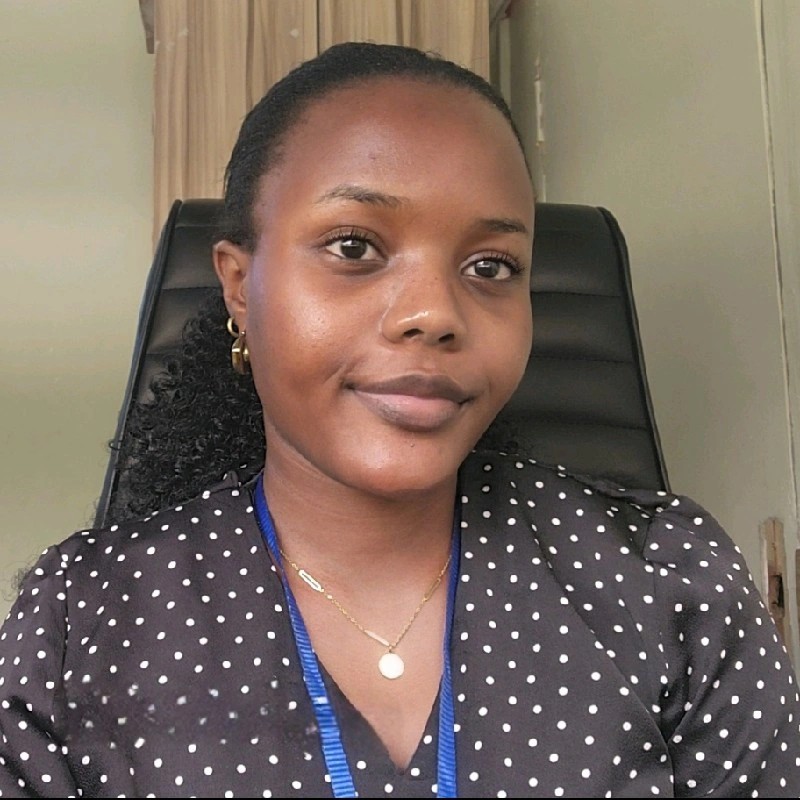
Ileroluwa David is the Head of Pharmacy at First Cardiology Consultants (FCC), one of the leading private hospitals in Lagos focused on cardiovascular care. But don’t let the job title fool you; this isn’t some quiet back-office position counting pills. Her team works hand-in-hand with doctors in emergency care, making real-time decisions that affect whether a patient lives or not.
In this conversation, Ileroluwa opens up about her early career, fixing drug shortages during her NYSC year, catching near-mistakes before they happen, and how she’s using tech, data, and business thinking to run a pharmacy department like a startup.
Also, heads up: her superpower wish might be the most relatable thing you’ll read all day.
So how did this whole thing start? Why pharmacy?
I’ve always liked clinical pharmacy. Like, I knew straight out of pharmacy school that I didn’t want academia, or working in a lab, or going into industry. I wanted to be with people: seeing patients, helping them directly, being part of something real. During NYSC, I was posted to a government hospital, and that was during COVID. Drug supply chains were a mess. One day I helped solve this huge problem; patients couldn’t get meds, and we were almost out. I started talking to suppliers, rearranging stock, basically fixing a whole system. That was it for me. I knew I could lead.

Fixing supply chain issues as a corper??
Yeah! No one tells you that you might have to run things during NYSC. But that experience just made everything click. I realized I was good at this. And I wanted to do more.
And now you're the Head of Pharmacy at a heart hospital. Sounds intense.
It is. Cardiology isn’t like general hospitals. Most of our patients are high-risk. One delay, one mistake, can change everything. So we have to be fast, and we can’t mess up. I make sure patients get the right meds, right dose, at the right time. I work closely with doctors, nurses, even external suppliers. We run it like a unit, not separate departments.
Does tech help with that? Or are you all still doing handwritten records?
No way. EMR changed everything. With electronic medical records, we see everything: the patient’s drug history, allergies, what they’re on. It makes everything faster and safer. I can literally track changes in real time. It reduces errors. Like, by a lot.
Speaking of errors. Let’s talk about that. Ever had a close call? Something your team almost missed? What’s the closest call you've had?
Oh yes, it happens. Every pharmacist has had one.
The most recent one? Someone on my team almost gave Dopamine instead of Dobutamine. Very similar names. Same colour on the label. But they do totally different things. One adjusts blood pressure. The other increases heart muscle strength. We caught it right before it got dispensed.
After that, we added labels to both, and we now store them far apart. We also did a refresher training on high-risk meds. You learn from it, and you make sure it doesn’t happen again.
That’s actually scary. What else have you done to make the pharmacy run smoother?
A lot, honestly. I introduced a stock monitoring system that gives us alerts when meds are about to run low. That way, we don’t overstock and we don’t run out. It cuts waste and reduces expired meds, too. And can never get caught off-guard.
Then there’s delegation. I’ve started assigning people to key roles, one person handles procurement, someone else does quality checks, and another inventory and compounding. It works better when people take ownership. It creates structure and gives people a sense of purpose.
You mentioned procurement. That sounds like business stuff. Not pharmacy.
It’s still healthcare, but yeah, I think about business a lot.
Just because it’s a hospital doesn’t mean it shouldn’t be cost-effective. I work with suppliers to get better prices. I look at prescription trends to negotiate better deals. I use data. If there’s a drug we haven’t dispensed in three months, we stop overstocking it. If a drug is essential but underused, I figure out why and rebalance our stock.
You can save so much money just by being smart with data. That’s how I built our drug formulary. Every hospital should have one.
🟡 This is exactly where businesses need data-savvy talent. If you’re trying to hire healthcare professionals who think like operators, not just clinicians, CareerBuddy’s headhunting service can help.
Sounds like you’re also a team leader. How do you manage that side of things?
We do learning sessions. Everyone shares something new they’ve learned; it could be from a journal article, a case study, anything. And then I created a WhatsApp group. That’s where we post updates and talk about new drugs, best practices, stuff like that. It keeps everyone engaged. And people are encouraged to ask questions, challenge processes, and suggest improvements. That keeps the whole department sharp.